PHP vulnerability causes global disruptions
Section: Science
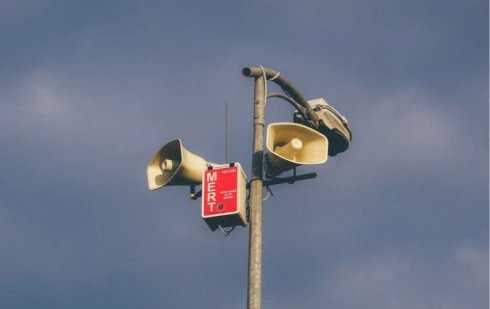
At 11 a.m. local time, Germany conducted its nationwide Warning Day, a comprehensive test of emergency notification systems. Sirens blared, mobile phones rang out with alerts, and digital radios automatically switched on as part of this exercise designed to assess the effectiveness of disaster response systems across the country.
The nationwide effort involved both federal and state authorities, with local municipalities also encouraged to participate voluntarily. The test was executed using the Federal Modular Warning System, a public alert and communication framework that primarily deploys satellite data transmission, supplemented by cable connections to ensure reliability.
Federal Interior Minister Alexander Dobrindt commended the successful deployment of this initiative. He emphasized the reliability of Germany's warning systems, noting their capability to reach the population through various channels. "Our warning systems function reliably and are an important part of our efficient civil protection structure," he stated in his preliminary assessment.
The Federal Office of Civil Protection and Disaster Assistance (BBK) echoed this positive outlook. Its president, Grit Tüngler, indicated that the warning systems had proven dependable, suggesting that in a real emergency they could effectively alert millions of citizens.
The primary purpose of the Warning Day is to ensure authorities can efficiently communicate with the public during emergencies, such as natural disasters or threats of military attacks. Another significant aim is to enhance public awareness and understanding of warning systems, making it easier for individuals to respond promptly and correctly in genuine emergencies.
Localized involvement allowed individual municipalities to test their own alert channels, in addition to the central system. Participation was optional, meaning some areas might not have activated their sirens, while others might lack proximity to such devices altogether.
This nationwide exercise first took place on September 10, 2020, following a resolution by the Conference of Interior Ministers. Since its inception, the Warntag has sought to familiarize residents with notification pathways and protocols, increasing overall emergency preparedness.
As part of the ongoing evaluation of the effectiveness of these trials, the BBK conducts surveys to gauge public reach and engagement. Last year, nearly all participants reported receiving alerts through at least one communication channel, indicating broad coverage of the warning system.
This systematic testing and the insights gained form part of Germany's strategy to maintain a resilient civil protection framework, adapting its response capabilities in an evolving threat landscape.
Section: Science

Section: News

Section: News

Section: News

Section: Business

Section: Politics

Section: Travel

Section: News

Section: Science

Section: Health
Both private Health Insurance in Germany and public insurance, is often complicated to navigate, not to mention expensive. As an expat, you are required to navigate this landscape within weeks of arriving, so check our FAQ on PKV. For our guide on resources and access to agents who can give you a competitive quote, try our PKV Calculator.
Germany is famous for its medical expertise and extensive number of hospitals and clinics. See this comprehensive directory of hospitals and clinics across the country, complete with links to their websites, addresses, contact info, and specializations/services.
Didn't manage to get a ticket for Linkin Park? Or still not enough after the concert? Join us at CRASH on June 12th for our "IN THE END" Linkin Park Special + CORE NIGHT.All night long, we'll be playing Linkin Park's music, along with Nu Metal, Metalcore, and Alternative Rock from bands such as Limp...



No comments yet. Be the first to comment!