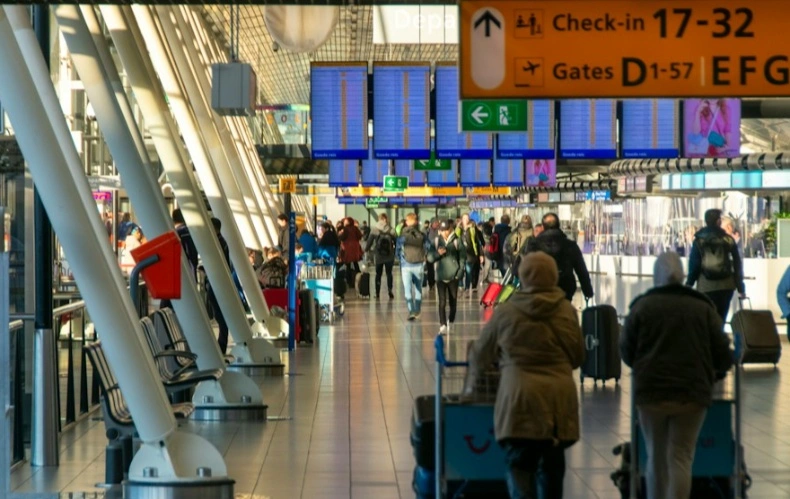
US Nationwide Flight Ground Stop: What Happened, What Officials Said and How Many Flights Were Canceled
Section: News
The president of Germany’s Federal Criminal Police Office (BKA) has highlighted the growing threat of hybrid attacks involving cyberattacks. Speaking on November 16, 2026, the official stressed the urgent need to address these security challenges. The warning comes amidst increasing concerns about cyber threats targeting critical infrastructure.
The BKA president emphasized that hybrid threats combine traditional military tactics with sophisticated cyber methods to disrupt nations' social and economic stability. Such attacks can range from disinformation campaigns to more direct forms of digital sabotage, posing complex challenges for security agencies worldwide.
According to the BKA, Germany has seen a notable increase in attempts to penetrate its digital defenses. These attacks are often linked to state-sponsored groups or organized cybercrime rings. The goal of these actors is not only to steal sensitive information but also to undermine public trust in government and institutions.
This development comes as Germany and other European nations continue to bolster their cybersecurity measures. The BKA has been working closely with international partners to share intelligence and strengthen defensive capabilities. This cooperation is considered vital, given the interconnected nature of global digital networks and the transnational nature of cyber threats.
The BKA president's statement follows several high-profile incidents in the past year, where cyberattacks targeted both government entities and private sector companies. These incidents have underscored the vulnerabilities within existing cyber defenses and spurred calls for enhanced protective measures.
In response to the increasing sophistication of cyber threats, Germany has initiated a review of its cybersecurity strategies. The government is reportedly considering new legislation to improve the nation's cyber resilience, which might include stricter regulations for critical sectors such as energy, finance, and healthcare.
Moreover, there is an ongoing effort to raise public awareness about cyber risks. The BKA has been actively involved in campaigns aimed at educating citizens and businesses on how to protect themselves from cyberattacks. This includes seminars, workshops, and online resources designed to inform people about safe digital practices.
While technology continues to evolve rapidly, so do the mechanisms of cybercriminals. As such, there is a pressing need for continuous adaptation and innovation in cybersecurity tactics. German officials acknowledge that while no defense system is foolproof, staying ahead of potential threats through research and development is crucial.
Across Europe, similar concerns have been raised. Many nations are grappling with how best to fortify their digital infrastructures without impeding technological progress. European Union member states are beginning to collaborate more closely, recognizing that a unified approach can offer better protection against cross-border cyber threats.
Despite the challenges, Germany is committed to building a robust defense against hybrid threats. The country's approach involves not just reactive measures but also proactive strategies aimed at deterrence. This includes investing in cutting-edge technologies such as artificial intelligence and quantum computing, which could offer new avenues for detecting and responding to cyberattacks.
The BKA's stance is also about fostering a culture of cybersecurity vigilance. Encouraging everyday digital hygiene practices, such as using strong passwords and being wary of unsolicited emails, is equally important as deploying advanced technological defenses.
As discussions continue on the national and international stage, it is clear that hybrid threats are a growing concern in the digital age. The need for resilient infrastructure and informed citizens is now more apparent than ever, as countries strive to safeguard their societies from the multifaceted challenges posed by cyberattacks.
Section: News

Section: News

Section: News
Section: News

Section: Fashion

Section: News

Section: Politics
Section: Business
Section: News

Section: Business
Both private Health Insurance in Germany and public insurance, is often complicated to navigate, not to mention expensive. As an expat, you are required to navigate this landscape within weeks of arriving, so check our FAQ on PKV. For our guide on resources and access to agents who can give you a competitive quote, try our PKV Calculator.
Germany is famous for its medical expertise and extensive number of hospitals and clinics. See this comprehensive directory of hospitals and clinics across the country, complete with links to their websites, addresses, contact info, and specializations/services.
Didn't manage to get a ticket for Linkin Park? Or still not enough after the concert? Join us at CRASH on June 12th for our "IN THE END" Linkin Park Special + CORE NIGHT.All night long, we'll be playing Linkin Park's music, along with Nu Metal, Metalcore, and Alternative Rock from bands such as Limp...


No comments yet. Be the first to comment!