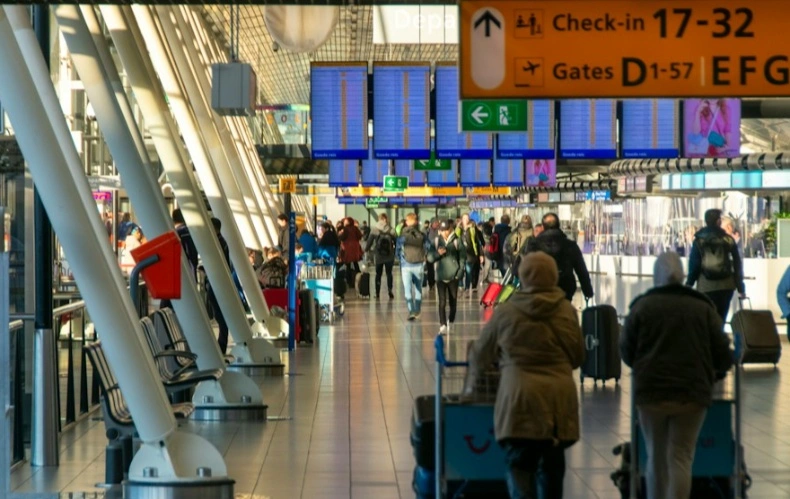
US Nationwide Flight Ground Stop: What Happened, What Officials Said and How Many Flights Were Canceled
Section: News
Hundreds of thousands of demonstrators gathered in Prague to protest against a proposed media law, calling for the preservation of press independence in the Czech Republic. This large-scale demonstration took place on November 15, 2026, as citizens expressed concern over what they see as potential governmental overreach in media affairs.
The demonstration was sparked by a new media bill presented by the Czech government, which critics argue could compromise the independence of media outlets. Protesters filled the streets of Prague, carrying banners and chanting slogans that emphasized the importance of maintaining a free press. Many participants expressed fears that the proposed legislation could lead to increased government influence over media content.
One protester, who chose to remain anonymous, explained that the law threatens to undermine the democratic foundation of the country by limiting the freedom of journalists to report without interference. Another participant stated that free media is a cornerstone of any democracy, and any threats to its independence must be resisted vehemently.
Organizers of the march emphasized that media independence is critical for democracy and accountability in government. They argue that the proposed media law could allow for greater control by the government over news agencies, potentially stifling dissent and critical reporting.
The Czech government, however, has defended the bill, claiming that it aims to increase transparency and accountability in the media sector. Officials argue that the legislation will introduce necessary regulations to ensure responsible journalism. They assert that fears of government overreach are unfounded and that the law includes provisions to protect journalistic independence.
Civic groups and media organizations have joined forces in opposing the bill, claiming that the language of the law is vague and could be applied broadly, potentially leading to censorship. They have called on the government to reconsider or amend the proposed legislation to more clearly protect press freedom.
This protest is one of the largest seen in the Czech Republic in recent years, symbolizing strong public interest in the protection of democratic freedoms. Citizens from various walks of life, including students, professionals, and human rights activists, participated to voice their concerns and demand action.
International attention has also turned to the Czech Republic, with several global media watchdogs expressing solidarity with the protesters. Organizations like Reporters Without Borders have issued statements supporting the right to a free press and warning against any measures that might erode media independence.
The Czech Parliament is set to debate the bill in the coming weeks, and the outcome could have significant implications for both domestic media as well as international perceptions of the country’s commitment to democratic principles.
Proponents of the bill insist that reform is necessary to modernize the regulatory framework governing the media sector. They claim that the current laws are outdated and do not adequately address the challenges posed by the digital age.
The country's political opposition has seized on the controversy to criticize the ruling government, accusing it of attempting to consolidate power and limit dissent. Opposition leaders have vowed to fight the bill in parliament and campaign against its adoption.
As the debate heats up, protests are expected to continue, with organizers planning further demonstrations to maintain public pressure on lawmakers. The unfolding developments in Prague highlight the ongoing global struggle over media rights and the balance between regulation and freedom.
Opposition parties and civic organizations continue to rally public support, urging citizens to remain vigilant and engaged in defending press freedoms. As tensions rise, the Czech Republic finds itself at a critical juncture, with the potential to set a precedent for media legislation throughout the region.
Source: tagesschau.de
Section: News

Section: News
Section: News
Section: News

Section: Fashion

Section: News

Section: Politics
Section: Business

Section: News
Section: Business
Both private Health Insurance in Germany and public insurance, is often complicated to navigate, not to mention expensive. As an expat, you are required to navigate this landscape within weeks of arriving, so check our FAQ on PKV. For our guide on resources and access to agents who can give you a competitive quote, try our PKV Calculator.
Germany is famous for its medical expertise and extensive number of hospitals and clinics. See this comprehensive directory of hospitals and clinics across the country, complete with links to their websites, addresses, contact info, and specializations/services.
Didn't manage to get a ticket for Linkin Park? Or still not enough after the concert? Join us at CRASH on June 12th for our "IN THE END" Linkin Park Special + CORE NIGHT.All night long, we'll be playing Linkin Park's music, along with Nu Metal, Metalcore, and Alternative Rock from bands such as Limp...


No comments yet. Be the first to comment!