 While many countries choose to hold elections on weekends to encourage voter turnout, the United States has a longstanding tradition of casting ballots on a Tuesday in November. This unique scheduling dates back to 1845 when Congress established a unified national election day for federal offices. Before this, states held elections at various times between September and November, creating logistical and administrative challenges.
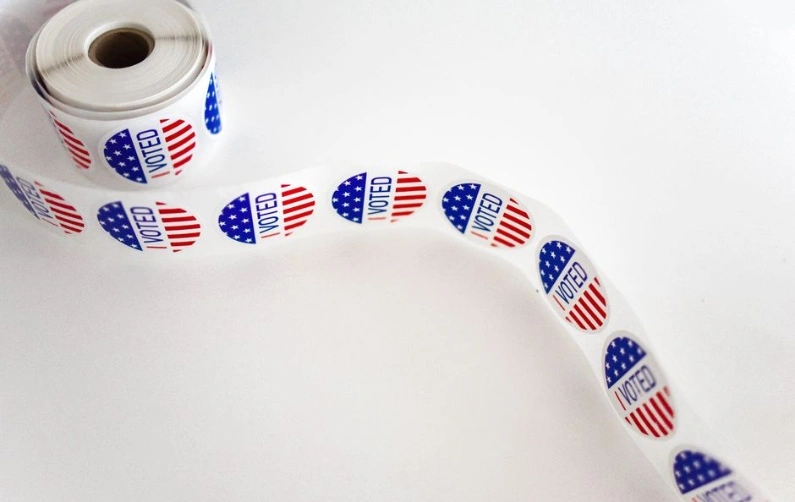
Why Americans vote on a Tuesday in November
Section: Politics
At the time, most Americans lived in rural areas and worked as farmers, with their lives closely tied to the agricultural calendar. Holding elections in early November was considered practical because it followed the harvest season, allowing farmers the opportunity to travel to polling places without affecting their work. Additionally, choosing a Tuesday avoided the potential of overlapping with religious observances, such as Sunday worship services, and allowed for a full day of travel after the weekend for those who needed to make their way from distant farms.
Another consideration was market day, which typically occurred on Wednesdays, as traveling on this day could disrupt commerce. Thus, Tuesday was selected as the most convenient day that minimized disruption to both the agricultural and business community.
This seemingly simple decision, rooted in the agrarian society of the 19th century, has persisted into modern times, even as the United States transformed into an urban and suburban nation. The adherence to Tuesday voting reflects both historical continuity and the challenges of enacting change in electoral procedures.
Despite its historical justifications, the Tuesday voting tradition has faced scrutiny over the years. Critics argue that mid-week elections can reduce voter participation because they require people to take time off work or school to vote, which might not be feasible for everyone. To address this, some advocates propose reforms such as declaring Election Day a national holiday or shifting it to the weekend to improve accessibility and turnout.
There have been several legislative proposals in Congress to move the election day to the weekend, though none have been successful. Proponents of weekend voting believe it could help increase voter turnout by eliminating conflicts with work schedules. Nonetheless, changing this entrenched tradition requires overcoming significant political and logistical hurdles, as each modification to the election process must account for varied local and state laws and practices.
In contrast, some states have adopted measures to make voting more accessible without changing the election day itself. Many states now offer early voting, mail-in ballots, or no-excuse absentee voting to provide more flexibility for voters who cannot visit polling stations on the designated day. These adaptations aim to simplify the voting process and increase participation by accommodating the diverse needs of the electorate.
Public opinion on election timing reform in the United States is mixed. While some advocacy groups push for more convenient voting schedules, others emphasize the importance of safeguarding traditional practices and ensuring that any changes do not unintentionally open new avenues for fraud or logistical difficulty. The ongoing debate continues to reflect the tension between maintaining historical practices and adapting to contemporary societal needs.
Election Day itself remains a significant cultural event in the United States. It has become the focus of civic engagement campaigns and is seen as a key indicator of democratic participation. Political organizations, civic groups and individuals alike engage in efforts to encourage voter turnout, emphasizing the importance of voting despite the structural and procedural hurdles some might face.
Ultimately, the conversation around Election Day, its timing and potential reforms is reflective of broader discussions about participation and accessibility in the United States' democratic process. As the nation continues to evolve, so too may its electoral practices, yet any changes would need to balance tradition with the practicalities of modern life.
Read also: why Switzerland is considering lowering its highway speed limit to 80 km/h, and inside the Louvre's €800 million plan to give the Mona Lisa her own room.
Photo by Element5 Digital on Pexels
Section: Politics
Section: Business

Section: News
Section: Business
Section: Health

Section: News

Section: News
Section: Travel

Section: Business
Section: Science
Both private Health Insurance in Germany and public insurance, is often complicated to navigate, not to mention expensive. As an expat, you are required to navigate this landscape within weeks of arriving, so check our FAQ on PKV. For our guide on resources and access to agents who can give you a competitive quote, try our PKV Calculator.
Germany is famous for its medical expertise and extensive number of hospitals and clinics. See this comprehensive directory of hospitals and clinics across the country, complete with links to their websites, addresses, contact info, and specializations/services.
Didn't manage to get a ticket for Linkin Park? Or still not enough after the concert? Join us at CRASH on June 12th for our "IN THE END" Linkin Park Special + CORE NIGHT.All night long, we'll be playing Linkin Park's music, along with Nu Metal, Metalcore, and Alternative Rock from bands such as Limp...



No comments yet. Be the first to comment!