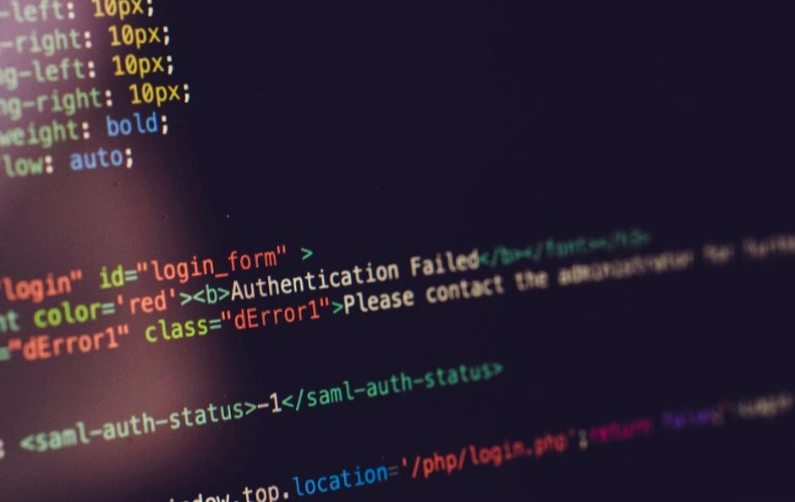
PHP vulnerability causes global disruptions
Section: Science
Since July, the European Union has imposed stricter limits on steel imports from non-EU countries, leading to a noticeable increase in the price of steel across the region. These measures, aimed at shielding the struggling heavy industry sectors within the EU, have included higher protective tariffs for imports that exceed country-specific quotas.
According to a report by the Boston Consulting Group (BCG), the price of hot-rolled coil, a key intermediate steel product used for manufacturing automobile parts and various profiles, has risen by six percent in Northern Europe since the new regulations came into force. This is a significant shift from previous years, where prices tended to decline during the third quarter.
The measures are reportedly part of an effort by the EU to protect its steel industry from low-cost competition, particularly from regions like China where surplus capacity has become a significant issue. The EU has now capped annual steel imports to 18.3 million tonnes, beyond which a prohibitive 50 percent tariff is applied.
Nicole Voigt, an expert from BCG, noted that this revised trade regime is intended to increase the capacity usage of the European steel industry, provided that the demand does not decrease more than the reduction in duty-free import quotas.
Since the introduction of these new trade restrictions, tariff-free import quotas have been underutilized, with only 83 percent of the allocated quotas being filled. This underuse may be attributed to importers pre-stocking before the new tariffs, as well as difficulties in precisely filling country-specific quotas. Additionally, some trading partners might find it economically unviable to fill their allocated quotas within the EU due to the impact of anti-dumping measures.
Ongoing logistical challenges, such as increased transport and energy costs, also play a role in the increased prices. For example, low water levels in the Rhine have impacted shipping operations, further contributing to rising costs.
The EU's decision to impose these import limits aligns with a broader trend of protective measures intended to stimulate domestic industries by curbing cheap foreign steel influxes. This strategy reflects concerns over how excess steel capacity, mainly in China, could impact the global market and the competitiveness of European producers.
As the sector adjusts to these regulatory changes, stakeholders are watching closely to determine the long-term impact on the steel market, industrial output, and pricing trends.
Section: Science

Section: News
Section: News

Section: News
Section: Business
Section: Politics

Section: Travel
Section: News
Section: Science

Section: Health
Both private Health Insurance in Germany and public insurance, is often complicated to navigate, not to mention expensive. As an expat, you are required to navigate this landscape within weeks of arriving, so check our FAQ on PKV. For our guide on resources and access to agents who can give you a competitive quote, try our PKV Calculator.
Germany is famous for its medical expertise and extensive number of hospitals and clinics. See this comprehensive directory of hospitals and clinics across the country, complete with links to their websites, addresses, contact info, and specializations/services.
Didn't manage to get a ticket for Linkin Park? Or still not enough after the concert? Join us at CRASH on June 12th for our "IN THE END" Linkin Park Special + CORE NIGHT.All night long, we'll be playing Linkin Park's music, along with Nu Metal, Metalcore, and Alternative Rock from bands such as Limp...

No comments yet. Be the first to comment!