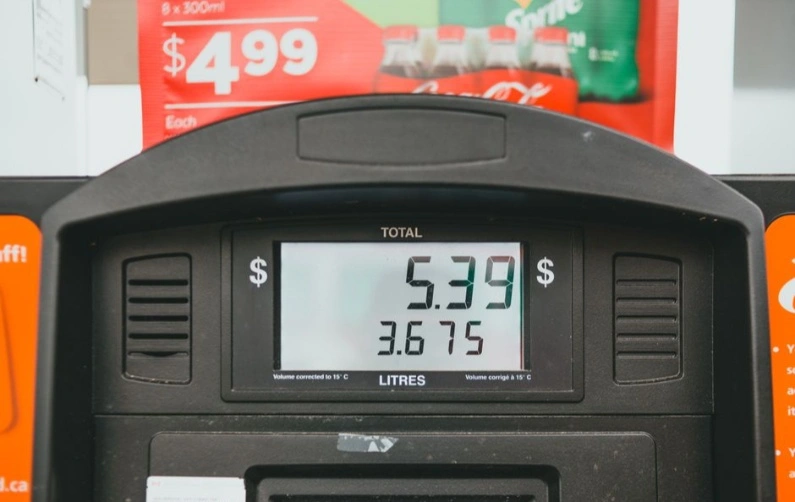
G7 nations agree to release oil reserves amid high fuel prices
Section: News
Debate has intensified in Brandenburg regarding the ongoing border controls between Germany and Poland, which were introduced to curb irregular migration. While the federal government has extended these measures, regional leaders are calling for their termination in the summer, aligning with anticipated changes to European asylum policies.
Since October 2023, temporary checks have been in place at the German-Polish border as part of efforts to manage unauthorized migration. The German Interior Ministry recently decided to prolong these measures for an additional six months beyond the previous March deadline. This decision comes despite a significant decrease in asylum applications, which dropped from over 229,000 in 2024 to just over 113,000 in 2025, according to official statistics.
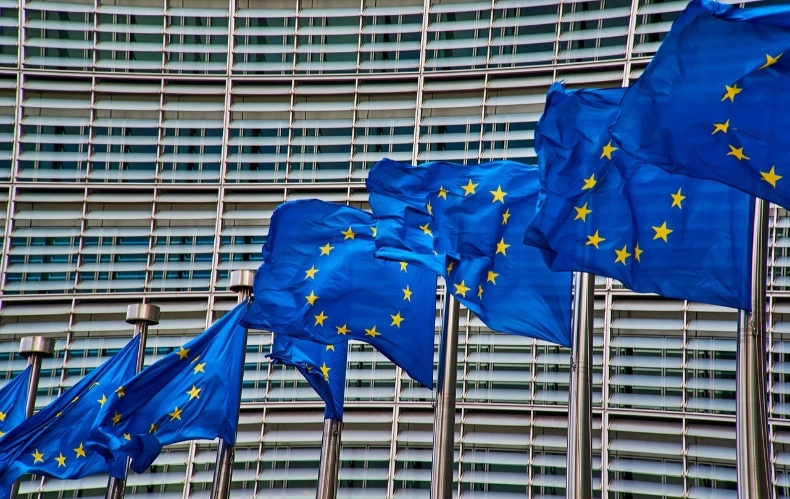
Brandenburg's Finance and European Affairs Minister has underscored the importance of open borders within the European Union, emphasizing that continued internal border controls threaten the EU's achievements in freedom of movement and economic integration. He noted that these controls pose challenges for citizens and hinder the economic and regional growth of border communities.
With the upcoming implementation of the reformed Common European Asylum System (CEAS) scheduled for June 2026, Brandenburg officials argue that it is timely to phase out internal border checks. The reforms are expected to streamline the processing of asylum claims, particularly for individuals who have already submitted applications in other EU member states. The adjustments will also facilitate longer periods for transferring applicants to the appropriate countries of responsibility, especially in cases where individuals have gone missing during the process.
Germany's Interior Minister, however, maintains that the checks remain essential for migration management and national security. The ministry asserts that the controls are justified by the need to prevent unauthorized entry and to address broader security concerns, including combating cross-border crime and potential terrorist threats. The border checks, which require notification to the European Commission, have also been intensified since the current minister assumed office.
The Schengen Agreement, which was signed to eliminate internal border checks among participating countries, has been a cornerstone of European integration. Nevertheless, several member states, including Germany, have reintroduced temporary controls in recent years due to security and migration challenges. These measures, though permitted under exceptional circumstances, have become a point of contention, particularly in regions that rely heavily on cross-border cooperation and commerce.
The planned reforms under the CEAS are designed to harmonize asylum procedures across the EU and improve coordination among member states. Notably, applications from individuals originating from countries with low rates of protection recognition within the EU will be processed at external borders, aiming to expedite decision-making and manage migration flows more effectively.
Local authorities in Brandenburg, including the state's interior minister, express optimism that once the new European system is operational, internal border controls will no longer be necessary. They anticipate that enhanced EU-level processes will render unilateral national measures redundant, thus restoring the principles of open movement within the Schengen area.
As discussions continue, the ultimate decision regarding the duration and scope of border controls will depend on both domestic considerations and the effectiveness of newly implemented EU asylum regulations. The debate highlights the broader challenge of balancing migration management, security, and the commitment to European integration in a changing geopolitical landscape.
Section: News
Section: Politics
Section: News

Section: Fashion

Section: Fashion
Section: Arts
Section: Business

Section: Business

Section: News
Section: Arts
Both private Health Insurance in Germany and public insurance, is often complicated to navigate, not to mention expensive. As an expat, you are required to navigate this landscape within weeks of arriving, so check our FAQ on PKV. For our guide on resources and access to agents who can give you a competitive quote, try our PKV Calculator.
Germany is famous for its medical expertise and extensive number of hospitals and clinics. See this comprehensive directory of hospitals and clinics across the country, complete with links to their websites, addresses, contact info, and specializations/services.
Didn't manage to get a ticket for Linkin Park? Or still not enough after the concert? Join us at CRASH on June 12th for our "IN THE END" Linkin Park Special + CORE NIGHT.All night long, we'll be playing Linkin Park's music, along with Nu Metal, Metalcore, and Alternative Rock from bands such as Limp...



No comments yet. Be the first to comment!