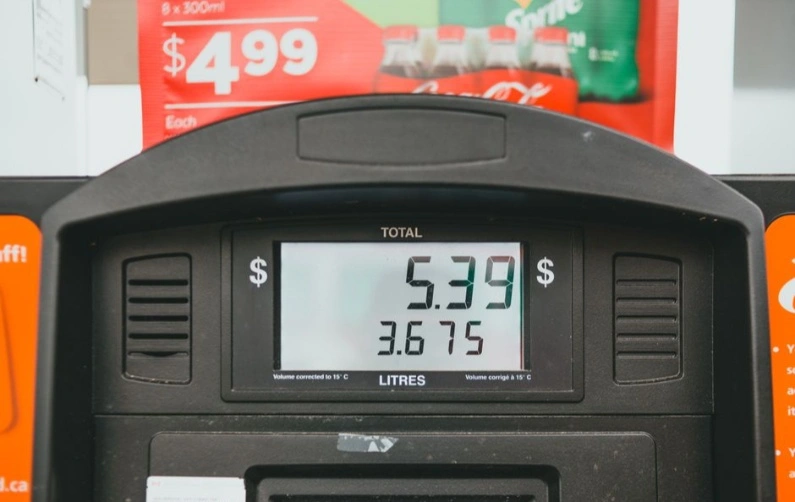
G7 nations agree to release oil reserves amid high fuel prices
Section: News
The recent death of a young far-right activist in Lyon has sparked diplomatic tension between France and Italy, following commentary from Italian Prime Minister Giorgia Meloni that French President Emmanuel Macron has described as unwelcome interference in French affairs.
The incident in question involved the fatal outcome of a violent clash between far-right and far-left groups in the French city of Lyon. The 23-year-old victim, Quentin Deranque, was reportedly involved in a confrontation that escalated, leading to his death. This event has intensified ongoing debates about political violence in France and has drawn international attention, particularly from Italy.
Prime Minister Meloni publicly addressed the incident, expressing concern about what she characterized as a growing 'climate of ideological hatred' affecting multiple nations across Europe. She referred to the death as a significant wound for the continent, emphasizing the broader implications of political extremism and violence. Meloni's comments were widely circulated on social media platforms and received significant visibility.
In response, President Macron criticized Meloni's intervention, highlighting the frequent contradiction in nationalist rhetoric. He suggested that leaders who often oppose foreign intrusion in their own domestic matters are sometimes quick to comment on issues in other countries. Macron asserted that it would be preferable for national leaders to focus on their internal affairs, especially in sensitive situations involving domestic security and public order.
The exchange between Macron and Meloni has underscored existing political sensitivities between France and Italy, particularly regarding the handling of extremism and public discourse surrounding politically motivated violence. The event has also prompted broader discussion within European political circles about the responsibilities and boundaries of national leaders when addressing incidents occurring beyond their borders.
Italian Foreign Minister Antonio Tajani later sought to ease tensions by stating that the death of the activist was an event of concern for all nations. He referenced similar incidents that have occurred in Italy and called for a collective condemnation of such acts to prevent any recurrence of past political violence in his country. Tajani's remarks aimed to shift the narrative toward international solidarity against extremism, rather than focusing on bilateral criticism.
The Lyon incident has reignited debates within France about the rising levels of political violence and the polarization between far-left and far-right groups. Analysts note that the city has faced a series of confrontations in recent years, raising concerns about public safety and the stability of democratic discourse. French authorities have launched an investigation into the circumstances surrounding the altercation, while political leaders across Europe have reiterated calls for moderation and respect for democratic principles.
The diplomatic dispute comes amid heightened political sensitivities across the European Union, where issues related to extremism, cross-border commentary, and national sovereignty remain at the forefront of public debate. The French and Italian governments, while maintaining a history of cooperation, have at times clashed over policy approaches to security, migration, and the role of political rhetoric in shaping public perception.
As investigations continue in Lyon, both French and Italian officials have emphasized the importance of addressing the root causes of political violence and fostering mutual understanding among European partners. Observers suggest that the incident may serve as a catalyst for renewed dialogue within the EU on strategies to counteract extremism and prevent the escalation of ideological conflicts.
Section: News
Section: Politics
Section: News
Section: Fashion
Section: Fashion
Section: Arts
Section: Business

Section: Business

Section: News
Section: Arts
Both private Health Insurance in Germany and public insurance, is often complicated to navigate, not to mention expensive. As an expat, you are required to navigate this landscape within weeks of arriving, so check our FAQ on PKV. For our guide on resources and access to agents who can give you a competitive quote, try our PKV Calculator.
Germany is famous for its medical expertise and extensive number of hospitals and clinics. See this comprehensive directory of hospitals and clinics across the country, complete with links to their websites, addresses, contact info, and specializations/services.
Didn't manage to get a ticket for Linkin Park? Or still not enough after the concert? Join us at CRASH on June 12th for our "IN THE END" Linkin Park Special + CORE NIGHT.All night long, we'll be playing Linkin Park's music, along with Nu Metal, Metalcore, and Alternative Rock from bands such as Limp...



No comments yet. Be the first to comment!