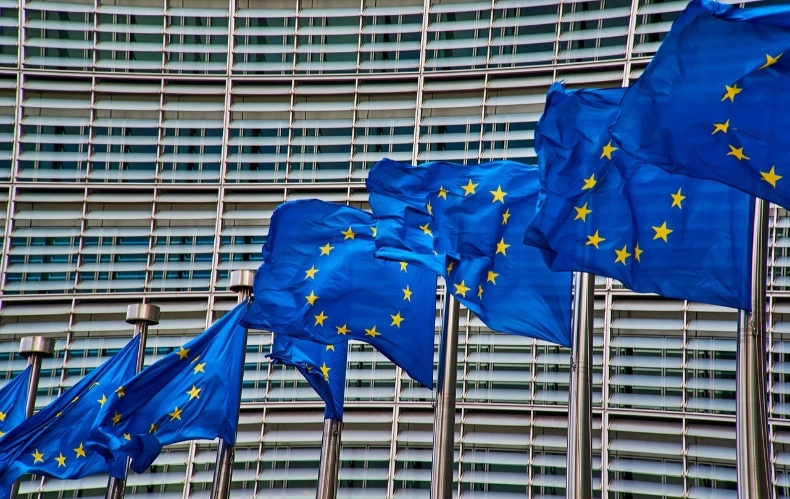
EU Approves €489 Million for Spain, Portugal, Italy and Malta After Early 2026 Storms
Section: Business
As discussions continue over Germany's national budget, the Workers' Welfare Association (AWO) has expressed strong opposition to proposed reductions in social spending. The organization asserts that any attempts to balance the federal budget should not disproportionately affect vulnerable groups, particularly those relying on social assistance.
Recent debates have centered on the so-called 'Bürgergeld', Germany's basic income system designed to support individuals without employment. Policymakers have floated measures such as tightening eligibility, increasing sanctions, and even reducing the coverage of housing costs for recipients. However, AWO has challenged these approaches, highlighting that federal spending on social welfare, family support, and labor market programs has actually declined as a percentage of the overall budget in recent years. This trend, the organization argues, undermines claims of a social spending 'crisis' or runaway costs.
AWO leadership emphasizes that a robust welfare system is not a luxury but a foundational element of social cohesion and economic stability. According to the association, well-funded social programs contribute to the country's economic competitiveness by fostering inclusion and preventing social divisions. The group also draws attention to the significant investment backlog in social infrastructure, including facilities and services operated by non-profit organizations, which depend on steady public funding for maintenance and development.
Regarding the proposed revisions to the Bürgergeld system, AWO maintains that broad cuts and stricter sanctions could erode trust and create insecurity among those already facing economic hardship. The association cites government analyses showing that the anticipated savings from such measures would be minimal, suggesting that the focus should instead be on more substantial sources of revenue.
AWO has called for comprehensive tax reforms, specifically targeting large fortunes and inheritances. The organization argues that these measures could make a meaningful contribution to fiscal consolidation without compromising support for those most in need. In their view, increasing the tax burden on high net-worth individuals represents a fairer and more effective way to address budgetary shortfalls while maintaining the integrity of the social safety net.
Beyond budgetary concerns, AWO reports that social service providers face a range of challenges, including the modernization and climate adaptation of their properties, a persistent shortage of skilled workers in the care sector, and the integration of digital technologies like artificial intelligence into social work. The association stresses the importance of innovative solutions and continued investment to meet these evolving demands.
AWO has also noted a concerning rise in right-wing extremism affecting communities and social projects across Germany. Incidents of violence and hate symbols targeting social initiatives, especially those supporting youth and individuals with migration backgrounds, have been reported. In response, the organization has increased support and resources for staff and volunteers confronting discrimination and violence.
In summary, the Workers' Welfare Association's position underscores the need for policy decisions that prioritize social investment and fair taxation over austerity measures that could exacerbate inequality. The association continues to advocate for a stronger social state as an essential component of Germany's future resilience and prosperity.
Section: Business

Section: Business

Section: News

Section: Science

Section: Business

Section: Arts
Section: Health
Section: Politics

Section: Politics

Section: Business
Both private Health Insurance in Germany and public insurance, is often complicated to navigate, not to mention expensive. As an expat, you are required to navigate this landscape within weeks of arriving, so check our FAQ on PKV. For our guide on resources and access to agents who can give you a competitive quote, try our PKV Calculator.
Germany is famous for its medical expertise and extensive number of hospitals and clinics. See this comprehensive directory of hospitals and clinics across the country, complete with links to their websites, addresses, contact info, and specializations/services.
Didn't manage to get a ticket for Linkin Park? Or still not enough after the concert? Join us at CRASH on June 12th for our "IN THE END" Linkin Park Special + CORE NIGHT.All night long, we'll be playing Linkin Park's music, along with Nu Metal, Metalcore, and Alternative Rock from bands such as Limp...



No comments yet. Be the first to comment!