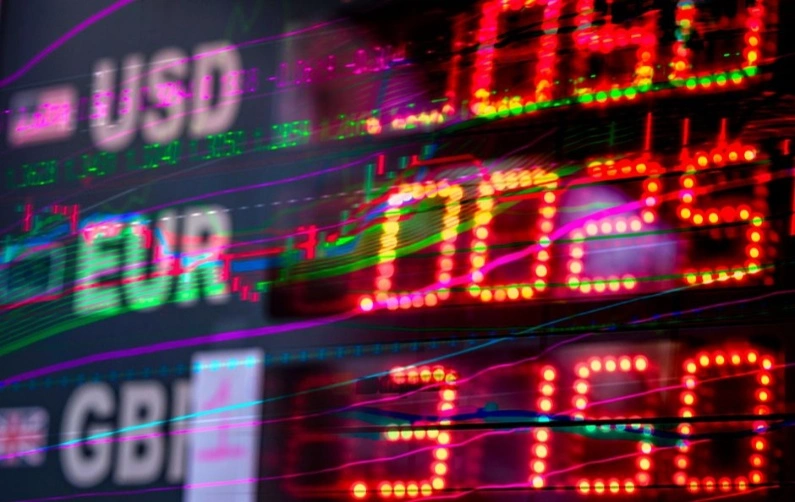
Fears over AI market slow impact global tech stocks
Section: Business
The ongoing conflict involving Iran is having a significant impact on both consumers and businesses in Germany. With the escalation of hostilities, the prices for fuel and natural gas have increased sharply, creating widespread concern across the economy. The duration of the conflict will play a major role in determining how severe these effects become.
Rising Fuel Prices at the PumpMotorists in Germany are feeling the immediate consequences of the Iran conflict at fuel stations. Prices for petrol and diesel surged notably at the start of the week, reaching levels not observed since mid-2024. According to industry data, the national average price for a liter of Super E10 petrol rose significantly over the weekend, with diesel prices also climbing to their highest point in over a year. Analysts indicate that further increases are possible if oil prices do not stabilize soon. Typically, fuel prices react quickly to rising oil costs, while decreases are often passed on to consumers more slowly. Experts recommend that drivers refuel during evening hours when prices tend to be lower and to compare prices at different stations due to increased volatility.
Sharp Increases in Gas and Heating Oil CostsIn addition to fuels, heating oil prices have risen even more steeply. Online platforms reported that the price for 100 liters of heating oil surpassed 120 euros at the beginning of the week, up from below 100 euros only days prior. This surge was accompanied by a spike in demand as consumers rushed to secure supplies. Wholesale gas prices also saw a substantial jump, marking the largest single-day increase since August 2023. However, due to the nature of long-term energy contracts, changes in wholesale prices typically take time to reach end-users.
Global Oil Supply DisruptionsThe primary driver behind these price increases is the disruption of oil shipments through the Strait of Hormuz, a critical passage for global energy supplies. Approximately one-fifth of the world's oil exports pass through this narrow corridor in the Persian Gulf. Any interruption to this route can result in heightened energy prices and instability in international markets. Additionally, the region is vital for liquefied natural gas transport, further amplifying the impact of any blockades or restrictions.
Financial Markets Respond to UncertaintyThe escalation in the Middle East has led to considerable volatility in financial markets. The German DAX index experienced significant losses, particularly affecting sectors such as chemicals and tourism. Air travel to the Middle East has been largely suspended, and cruise operations have been halted as airlines avoid the conflict zone. In contrast, investors have turned to gold as a safe haven, pushing its price toward previous record highs.
Potential Economic ConsequencesThe uncertainty stemming from the conflict poses risks to Germany's economic outlook. Economic experts suggest that if the confrontation is short-lived, the negative effects may be contained. However, a prolonged conflict could lead to sustained high oil prices, higher inflation, and reduced economic growth. Central bank analyses indicate that a 10 percent increase in oil prices could lower medium-term economic growth by 0.2 percent--a notable impact given Germany's modest growth expectations for the year.
Implications for Trade and TransportThe rise in oil prices has already driven up global transport costs, affecting both maritime and air freight. For Germany, a nation heavily reliant on exports, elevated transportation expenses could further strain the economy. Should the conflict continue for several months, inflation in the eurozone could rise by at least one percentage point, with economic growth expected to slow accordingly.
While financial markets had anticipated some degree of disruption, the prospect of a prolonged closure of key shipping routes could push oil prices well above current levels. Persistent high energy costs would likely result in broader economic challenges, particularly for industries dependent on global trade and logistics.
Section: Business
Section: Politics

Section: Travel
Section: News

Section: Science

Section: Health
Section: Business

Section: Fashion

Section: Science

Section: Business
Both private Health Insurance in Germany and public insurance, is often complicated to navigate, not to mention expensive. As an expat, you are required to navigate this landscape within weeks of arriving, so check our FAQ on PKV. For our guide on resources and access to agents who can give you a competitive quote, try our PKV Calculator.
Germany is famous for its medical expertise and extensive number of hospitals and clinics. See this comprehensive directory of hospitals and clinics across the country, complete with links to their websites, addresses, contact info, and specializations/services.
Didn't manage to get a ticket for Linkin Park? Or still not enough after the concert? Join us at CRASH on June 12th for our "IN THE END" Linkin Park Special + CORE NIGHT.All night long, we'll be playing Linkin Park's music, along with Nu Metal, Metalcore, and Alternative Rock from bands such as Limp...



No comments yet. Be the first to comment!