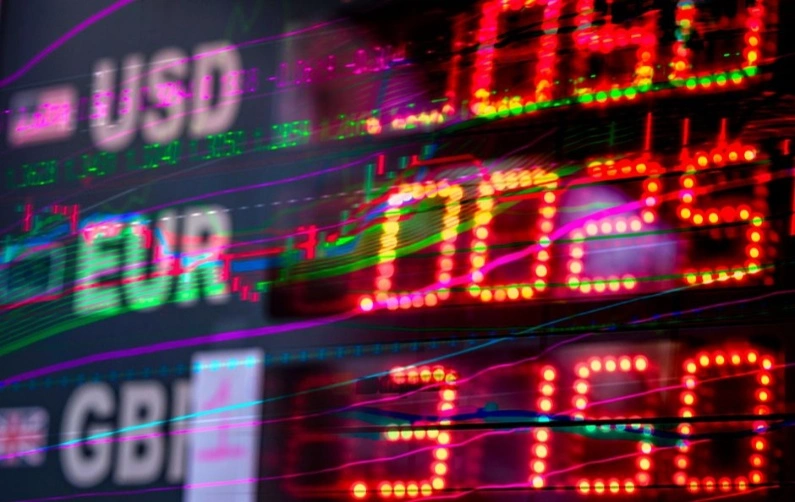
Fears over AI market slow impact global tech stocks
Section: Business
Switzerland is moving forward with plans to introduce a new transit fee directed at foreign motorists who pass through the country without making significant stops. The proposed measure, recently approved by the Swiss parliament, aims to address concerns about heavy traffic congestion on major north-south routes, particularly during holiday periods, and to generate additional revenue for road maintenance and infrastructure.
Transit Fee Targets Non-Resident TravelersThe initiative focuses on travelers transiting Switzerland, such as those heading to southern holiday destinations. Lawmakers argue that these motorists contribute little to the local economy, while their presence often leads to traffic jams and increased pollution, especially on key routes like the Gotthard and San Bernardino tunnels. Approximately 31 percent of cross-Alpine traffic in Switzerland consists of such transit journeys, according to the Swiss Federal Statistical Office.
Potential Fee Structure and ImplementationDetails of the fee are still under discussion, but current proposals suggest an average charge of 21 Swiss francs (around 23 euros) per transit, with higher rates during peak travel times to help ease congestion. The fee is expected to be collected primarily at major border crossings using automated license plate recognition systems. Switzerland has nearly 700 border crossings, but only about 125 main routes would likely be equipped for this monitoring due to their higher traffic volumes.
Currently, all vehicles using Swiss motorways must display an annual vignette costing 40 francs (about 44 euros), which is among the lowest motorway charges in Europe. In comparison, Austria requires a daily toll of 9.60 euros for motorway use, plus additional fees for certain routes such as the Brenner Pass. The proposed Swiss transit fee would be in addition to the existing vignette and apply exclusively to foreign vehicles that do not stop in Switzerland for an extended period.
Expected Revenue and RationaleAuthorities anticipate that the fee could generate several hundred million francs annually. The reasoning is that foreign transit traffic imposes maintenance costs and environmental burdens without providing proportional economic benefits. Some local residents have voiced frustration about frequent traffic jams, particularly at the start and end of holiday periods, as long queues of vehicles pass through the country without contributing to local businesses or services.
Technical and Political ChallengesThe implementation of the fee faces several hurdles. The Swiss Touring Club (TCS) has warned about the considerable logistical and administrative demands of systematically tracking and charging foreign vehicles. The club questions whether the potential benefits justify the resources required for enforcement. The national government has expressed reservations about the parliamentary decision and has indicated that a public referendum may be necessary before the measure can take effect, which could delay the process by several years.
Debate Over Fairness and Regional ImpactThe planned fee has drawn criticism from officials in neighboring countries and European Union representatives, who argue that such unilateral measures could undermine cross-border cooperation and fairness. Some suggest that broader, more coordinated approaches to road pricing--such as mobility pricing systems that factor in vehicle type, usage frequency, and time of travel--would offer more equitable solutions. These systems are already in place in other transport sectors, with airlines and railways adjusting prices during peak times to manage demand.
Opponents of the Swiss plan caution that introducing fees targeting only foreign motorists could prompt other countries to adopt similar practices, potentially complicating travel across Europe. They advocate for collaborative solutions that address traffic management and environmental concerns without discriminating against non-resident drivers.
Section: Business

Section: Politics

Section: Travel
Section: News
Section: Science

Section: Health
Section: Business
Section: Fashion

Section: Science

Section: Business
Both private Health Insurance in Germany and public insurance, is often complicated to navigate, not to mention expensive. As an expat, you are required to navigate this landscape within weeks of arriving, so check our FAQ on PKV. For our guide on resources and access to agents who can give you a competitive quote, try our PKV Calculator.
Germany is famous for its medical expertise and extensive number of hospitals and clinics. See this comprehensive directory of hospitals and clinics across the country, complete with links to their websites, addresses, contact info, and specializations/services.
Didn't manage to get a ticket for Linkin Park? Or still not enough after the concert? Join us at CRASH on June 12th for our "IN THE END" Linkin Park Special + CORE NIGHT.All night long, we'll be playing Linkin Park's music, along with Nu Metal, Metalcore, and Alternative Rock from bands such as Limp...


No comments yet. Be the first to comment!