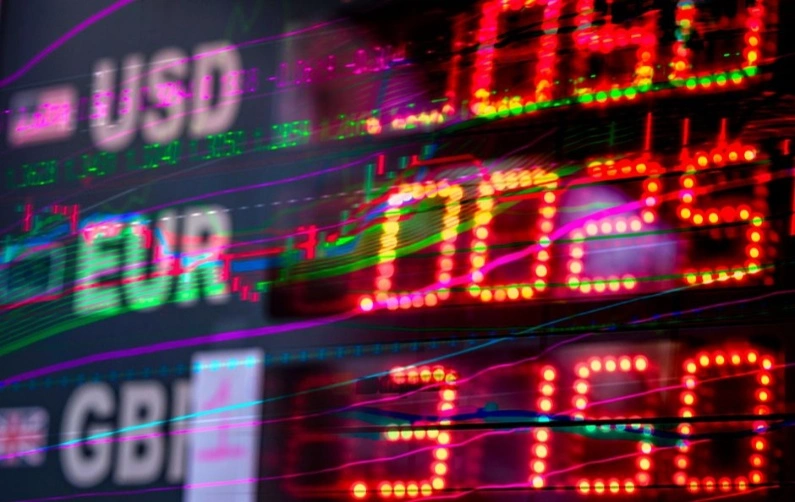
Fears over AI market slow impact global tech stocks
Section: Business
Major oil-exporting nations within the OPEC+ alliance, led by Saudi Arabia and Russia, have declared a significant rise in their collective oil production, surpassing previous expectations from industry analysts. This move comes as the group aims to address concerns over global supply and respond to shifting dynamics in the international energy market.
According to an official statement issued following an online meeting, eight OPEC+ member countries will raise their combined daily output by 206,000 barrels, beginning in April. This adjustment exceeds the anticipated increase of approximately 137,000 barrels forecasted by market observers. The decision is attributed to the stable outlook for the global economy and relatively low oil reserves, rather than direct response to recent geopolitical tensions.
OPEC+, a coalition of Organization of the Petroleum Exporting Countries members and allied producers, plays a pivotal role in regulating the flow of oil onto the world market. At the start of the year, the International Energy Agency estimated the global daily oil production at 106.6 million barrels. The latest adjustment by OPEC+ aims to bolster supply as market participants monitor ongoing volatility linked to geopolitical uncertainty, particularly in the Middle East.
Recent military actions involving the United States, Israel, and Iran have heightened concerns about potential disruptions to oil shipments from the region. The Strait of Hormuz, a narrow maritime passage between Iran and Oman, remains a critical chokepoint for global energy supply, as it handles roughly 20 percent of the world's seaborne oil shipments each day. Following recent attacks, Iranian authorities have tightened controls over vessel traffic in the area, while reports have surfaced of an oil tanker coming under assault near the strait. Such developments underline the vulnerability of international oil transportation routes to regional instability.
While OPEC+ members are positioned to compensate for certain supply shortfalls, especially those arising from reduced Iranian exports, their spare production capacities may not be sufficient to offset the consequences of an extended blockade or significant disruption in the Strait of Hormuz. Market analysts have warned that prolonged instability in this vital corridor could exert upward pressure on global oil prices, impacting energy costs worldwide.
The OPEC+ group's decision to increase production reflects a strategy to maintain balance in the global oil market amid a complex environment characterized by fluctuating demand, constrained reserves, and ongoing geopolitical risks. The move is also seen as a proactive measure to mitigate potential supply shocks and price volatility resulting from heightened tensions in the Middle East.
Industry observers will continue to closely monitor both production levels and security developments in the region, as any further escalation could have significant repercussions for international energy markets.
Section: Business
Section: Politics

Section: Travel
Section: News

Section: Science

Section: Health
Section: Business

Section: Fashion

Section: Science

Section: Business
Both private Health Insurance in Germany and public insurance, is often complicated to navigate, not to mention expensive. As an expat, you are required to navigate this landscape within weeks of arriving, so check our FAQ on PKV. For our guide on resources and access to agents who can give you a competitive quote, try our PKV Calculator.
Germany is famous for its medical expertise and extensive number of hospitals and clinics. See this comprehensive directory of hospitals and clinics across the country, complete with links to their websites, addresses, contact info, and specializations/services.
Didn't manage to get a ticket for Linkin Park? Or still not enough after the concert? Join us at CRASH on June 12th for our "IN THE END" Linkin Park Special + CORE NIGHT.All night long, we'll be playing Linkin Park's music, along with Nu Metal, Metalcore, and Alternative Rock from bands such as Limp...


No comments yet. Be the first to comment!