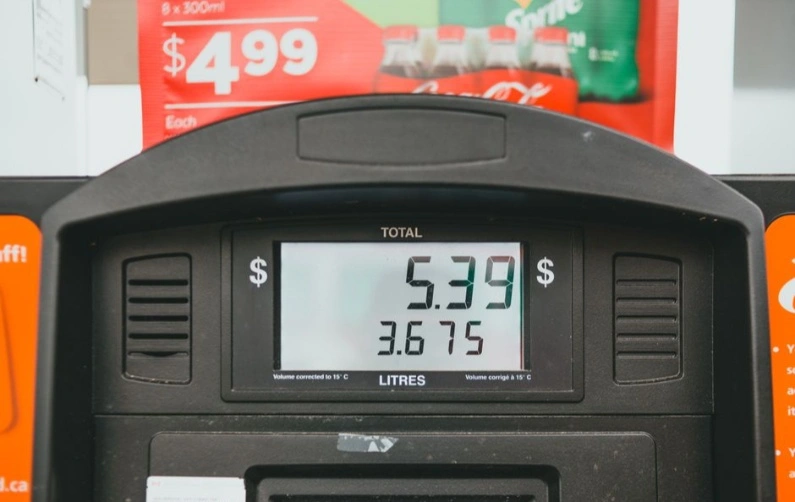
G7 nations agree to release oil reserves amid high fuel prices
Section: News
Recent findings indicate that a growing proportion of solar energy generated in Germany is being consumed directly by photovoltaic system owners, rather than being supplied to the national grid. This trend has accelerated in recent years, driven by shifts in energy prices and technological advancements.
According to data compiled by the Fraunhofer Institute for Solar Energy Systems (ISE), self-consumption of solar electricity by system operators has risen substantially. In 2020, approximately 3.55 terawatt-hours (TWh) of solar power were used directly by those generating it. By 2022, this figure had increased to 5.57 TWh. The upward trajectory continued with 8.20 TWh in 2023 and reached 12.28 TWh in 2024. This means that in 2024, self-consumed solar electricity accounted for 17 percent of the total solar power produced, up from 13 percent in the previous year.
The research analyzed market data from the official register and grid operators, considering factors such as system size, type, and date of commissioning. The study also evaluated the presence of battery storage systems, which play a significant role in enabling higher levels of self-consumption. By categorizing photovoltaic installations into 44 distinct self-consumption groups based on these variables, the researchers were able to provide detailed insights into usage patterns across the country.
One key factor influencing this trend is the widening gap between retail electricity prices and the feed-in tariffs paid for solar power supplied to the grid. As the market feed-in compensation has declined over the past decade, it has become increasingly advantageous for private owners to prioritize on-site consumption. Many have responded by installing smaller systems designed primarily for self-use and by integrating battery storage to maximize the share of solar electricity used within their own households or businesses.
This shift is further underscored by the rapid adoption of battery storage among photovoltaic system owners. In 2020, just over half of new installations included a battery storage component. By 2025, this share had risen to 86 percent, or six out of every seven systems. These batteries allow surplus solar energy generated during peak sunlight hours to be stored for use during periods of lower generation, such as evenings or cloudy days. As battery technology becomes more affordable and efficient, its integration is expected to continue expanding.
The increased inclination towards self-consumption is also supported by rising demand for electricity within residences and businesses, particularly with the growing adoption of electric vehicles and heat pumps. These technologies benefit from locally generated, cost-effective solar power, further reducing reliance on the public grid and enhancing energy autonomy for consumers.
Despite the higher proportion of solar energy being retained for self-use, the overall contribution of solar power to Germany's energy mix remains significant. In 2024, nearly 60 TWh of solar electricity were still fed into the public grid, with total solar generation exceeding 72 TWh for the year. The decentralized nature of solar energy production and self-consumption can also offer benefits to the broader electricity system. By reducing load on the grid and minimizing transmission losses, localized consumption helps enhance the resilience and efficiency of the national energy infrastructure.
Looking ahead, experts anticipate that the trend towards higher self-consumption rates will persist, fueled by high retail electricity prices and the declining costs of battery storage solutions. The expansion of electric mobility and electric heating is likely to further increase demand for on-site solar electricity. At the same time, the continued integration of decentralized, renewable generation supports the transition to a more sustainable and robust energy system across Germany.
Section: News
Section: Politics
Section: News

Section: Fashion

Section: Fashion
Section: Arts
Section: Business
Section: Business

Section: News

Section: Arts
Both private Health Insurance in Germany and public insurance, is often complicated to navigate, not to mention expensive. As an expat, you are required to navigate this landscape within weeks of arriving, so check our FAQ on PKV. For our guide on resources and access to agents who can give you a competitive quote, try our PKV Calculator.
Germany is famous for its medical expertise and extensive number of hospitals and clinics. See this comprehensive directory of hospitals and clinics across the country, complete with links to their websites, addresses, contact info, and specializations/services.
Didn't manage to get a ticket for Linkin Park? Or still not enough after the concert? Join us at CRASH on June 12th for our "IN THE END" Linkin Park Special + CORE NIGHT.All night long, we'll be playing Linkin Park's music, along with Nu Metal, Metalcore, and Alternative Rock from bands such as Limp...



No comments yet. Be the first to comment!