
Protests erupt across Europe amid various grievances
Section: News
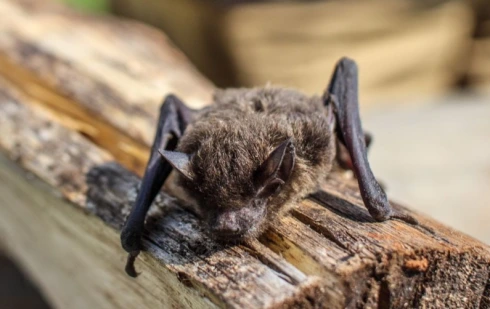
A bat found in Landkreis Bergstraße, Germany, has been confirmed to have bat rabies, according to local authorities. The bat, which exhibited unusually aggressive behavior, was taken to a rescue center where laboratory tests validated the suspicion of lyssavirus infection.
Despite this discovery, local officials have assured residents that there is no immediate cause for alarm. While rabies in bats can, in theory, be transmitted to humans, the risk remains low. Human infection would require direct contact with an infected bat, such as through bites or scratches. Typically, bats are shy creatures that tend to avoid humans.
Bats in Germany and other parts of Europe can harbor various lyssaviruses, which are related to the rabies virus. Nevertheless, these infections are distinct from the terrestrial rabies virus, considered eradicated in Germany since 2008. However, the presence of lyssavirus in bats does periodically surface. For instance, a case was recently confirmed in Rhineland-Palatinate in August, the first such detection since 2010.
Rabies in bats, scientifically known as European Bat Lyssavirus (EBLV), is known to be present in several bat species across Europe. The virus can affect various types of bats, though actual transmission incidents to humans are rare. Transmission typically occurs only during interactions where a person is inadvertently exposed to the virus through close contact with an infected bat.
The public is advised to exercise caution and avoid handling bats directly. Any bats found behaving abnormally should be reported to wildlife authorities or animal rescue centers for safe handling and testing. Bat conservation groups emphasize the importance of monitoring bat populations while ensuring public safety, given their ecological role and the relatively low risk to humans.
Health authorities remind citizens that while the risk of rabies from bats remains low, actions should be taken to prevent contact, particularly in cases of finding a bat behaving erratically. Bats exhibiting signs of disorientation, aggression, or those found during the day in unusual locations should not be handled.
With the recent detection of lyssavirus in bats in other regions, authorities across Germany maintain robust surveillance systems to monitor the health of wildlife populations. Such measures are in place to track the spread of any zoonotic diseases, ensuring early detection and intervention.
The detection in Bergstraße serves as a reminder of the importance of continued vigilance in monitoring wildlife diseases that could pose a threat to public health. Scientists from several institutes remain actively involved in researching lyssaviruses to understand their transmission dynamics better and to evaluate the risk posed to humans and other animals.
Public health campaigns stress the significance of rabies vaccinations for pets, as a preventive measure for any inadvertent interactions with wild animals. Although the likelihood of exposure via domestic animals is low, responsible pet ownership includes ensuring vaccinations are up to date.
In cases of potential exposure, such as suffering a bat-bite, individuals are urged to seek immediate medical attention. Post-exposure prophylaxis is effective in preventing the onset of the disease if administered promptly.
Bats play a crucial role in ecosystems, contributing to pest control and plant pollination. Conservationists argue that despite the potential health risks, bats should be protected and respected for their ecological contributions. They've urged the public to use protective measures like nets or bat boxes to safely direct them away from residential areas while preserving their habitats.
As the lyssavirus case is managed in Bergstraße, authorities continue to work on educating the public about co-existing with wildlife, underscoring the crucial balance between conservation and public health safety. Efforts are ongoing to increase public awareness regarding the identification of rabies symptoms in wildlife and the necessary precautions to prevent the spread to humans.
Section: News

Section: Business

Section: Politics

Section: Travel

Section: News

Section: Science

Section: Health

Section: Business

Section: Fashion

Section: Business
Both private Health Insurance in Germany and public insurance, is often complicated to navigate, not to mention expensive. As an expat, you are required to navigate this landscape within weeks of arriving, so check our FAQ on PKV. For our guide on resources and access to agents who can give you a competitive quote, try our PKV Calculator.
Germany is famous for its medical expertise and extensive number of hospitals and clinics. See this comprehensive directory of hospitals and clinics across the country, complete with links to their websites, addresses, contact info, and specializations/services.
Didn't manage to get a ticket for Linkin Park? Or still not enough after the concert? Join us at CRASH on June 12th for our "IN THE END" Linkin Park Special + CORE NIGHT.All night long, we'll be playing Linkin Park's music, along with Nu Metal, Metalcore, and Alternative Rock from bands such as Limp...



No comments yet. Be the first to comment!