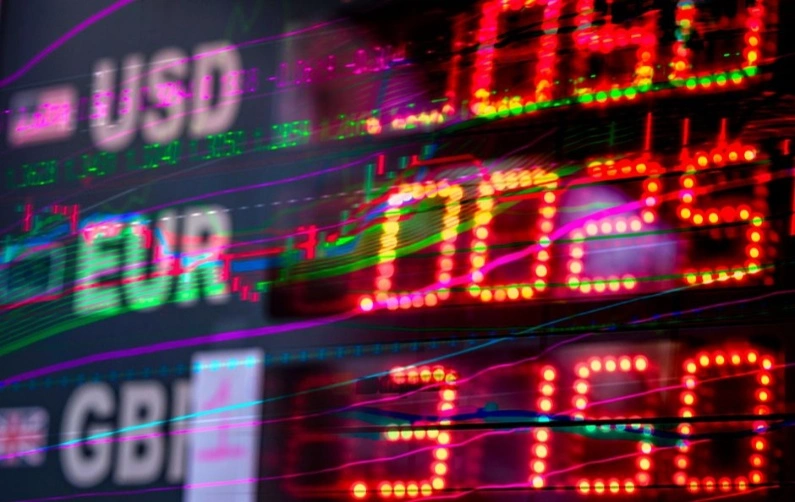
Fears over AI market slow impact global tech stocks
Section: Business
The ongoing debate over the handling of Russian assets frozen by Western nations has intensified efforts within the European Union to find a unified approach. The German government, with lead involvement from Friedrich Merz, is actively pursuing a consensus among EU member states regarding the future of these substantial financial reserves.
Currently, billions in Russian assets remain immobilized across several European financial institutions. The discussion surrounding their potential use has gained urgency, particularly as European leaders seek strategies to support Ukraine and reinforce their influence in international negotiations. The assets under consideration are viewed as a potential source for further funding to aid Ukraine in its ongoing conflict and reconstruction efforts.
The broader context includes the upcoming diplomatic engagements with both European allies and the Ukrainian leadership. These meetings are intended to synchronize efforts in response to recent peace proposals and to address the evolving situation stemming from the war in Ukraine. The allocation or management of frozen Russian funds is set to play a critical role in these discussions, with the EU aiming to present a united front.
European leaders recognize the significance of reaching a common position, not only to maximize the potential impact of these funds but also to ensure that any decisions align with legal frameworks and international agreements. The complexity of the issue lies in balancing legal constraints with political objectives, as well as addressing the varied stances of individual member states. The German government has emphasized the necessity of a transparent and legally secure process for any future use of these assets.
As the debate continues, the focus remains on how best to utilize the frozen assets to support Ukraine without compromising European legal standards or creating long-term diplomatic repercussions. The discussions also reflect broader concerns about the integrity of the international financial system and the precedent any action might set for future conflicts.
Merz's diplomatic engagements in London, which include meetings with European allies and the Ukrainian president, are part of these broader efforts to coordinate a European response. The talks are expected to address the legal, financial, and political dimensions of reallocating Russian assets, with an emphasis on achieving a sustainable and collective solution.
The outcome of these consultations may determine not only the immediate support provided to Ukraine but also the EU's role in shaping the post-conflict order. By advocating for a cohesive European strategy, Merz and his counterparts aim to reinforce the EU's influence and restore momentum in the ongoing diplomatic process related to the Ukraine crisis.
Section: Business

Section: Politics

Section: Travel
Section: News
Section: Science

Section: Health
Section: Business
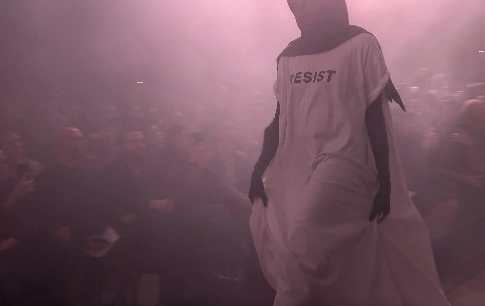
Section: Fashion

Section: Science

Section: Business
Both private Health Insurance in Germany and public insurance, is often complicated to navigate, not to mention expensive. As an expat, you are required to navigate this landscape within weeks of arriving, so check our FAQ on PKV. For our guide on resources and access to agents who can give you a competitive quote, try our PKV Calculator.
Germany is famous for its medical expertise and extensive number of hospitals and clinics. See this comprehensive directory of hospitals and clinics across the country, complete with links to their websites, addresses, contact info, and specializations/services.
Didn't manage to get a ticket for Linkin Park? Or still not enough after the concert? Join us at CRASH on June 12th for our "IN THE END" Linkin Park Special + CORE NIGHT.All night long, we'll be playing Linkin Park's music, along with Nu Metal, Metalcore, and Alternative Rock from bands such as Limp...



No comments yet. Be the first to comment!