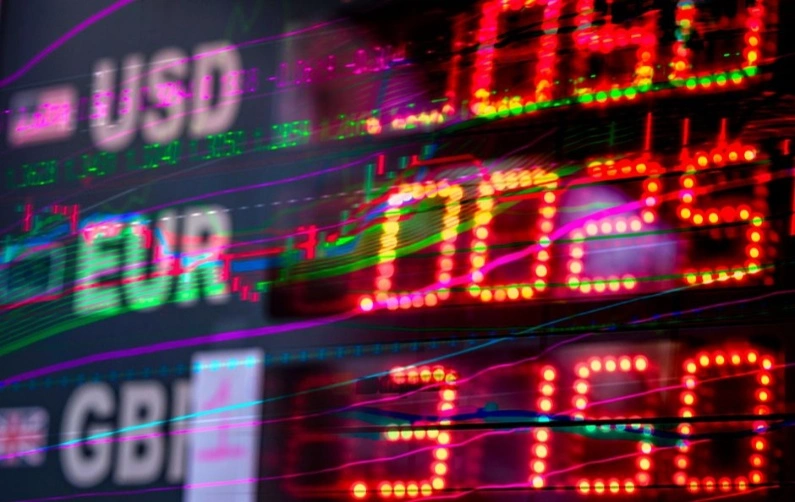
Fears over AI market slow impact global tech stocks
Section: Business
The German federal government has formally accused Russia of orchestrating cyberattacks and disinformation campaigns aimed at influencing domestic affairs, including recent national elections. According to official statements, German authorities have gathered substantial evidence indicating that Russian-backed organizations, supported by the GRU intelligence agency, have attempted to destabilize Germany's political landscape through hybrid tactics.
Central to these allegations is a campaign known as "Storm 1516," which began in 2024 and has primarily targeted Western democracies. In Germany, this operation reportedly focused on prominent political figures ahead of the most recent Bundestag election, including candidates from the Green Party and the Christian Democratic Union. Two days before the early election held in February, German security services warned of the circulation of fabricated videos purporting to show ballot manipulation, identifying these as components of a broader Russian disinformation effort.
The German Foreign Office has stated that these activities constitute a direct threat to national security. Officials highlight not only the ongoing military conflict initiated by Russia in Ukraine, but also emphasize that the cyber and propaganda initiatives have tangible effects within Germany. The government has pledged to coordinate with European partners to implement a series of countermeasures, aiming to hold Russia accountable for actions classified as hybrid aggression.
Hybrid threats, as defined by German authorities, encompass a spectrum of hostile activities that combine military, economic, intelligence, and information-based tactics. These methods are used to influence public opinion, disrupt political processes, and undermine confidence in democratic institutions. State-sponsored cyberattacks are a key component of this strategy, alongside coordinated propaganda campaigns.
Officials report a notable increase in such hybrid threats in recent months. Security agencies have intensified their monitoring of digital networks and have taken steps to reinforce cyber defenses. The government also notes that public awareness campaigns are underway to educate citizens about the risks of misinformation and the manipulation of online content, particularly during sensitive periods such as elections.
In response to the escalation, the Russian ambassador was summoned to the German Foreign Office to address the allegations. While diplomatic channels remain open, German officials have stressed the seriousness of the situation and reiterated the country's commitment to protecting its democratic processes from foreign interference.
The German government's position is that safeguarding the integrity of national elections and critical infrastructure is paramount. As part of a coordinated European response, Germany is preparing to introduce new policy measures and sanctions targeting individuals and entities involved in cyber and disinformation attacks. These efforts are intended both to deter future incidents and to demonstrate resolve against what authorities describe as ongoing hybrid warfare.
The developments have heightened tensions between Germany and Russia, with broader implications for security cooperation within the European Union. Observers note that this incident underscores the evolving nature of international threats, where digital tools and information manipulation play an increasingly central role in geopolitical conflicts. The German government continues to advocate for a robust, collective approach among European allies to address and counter these challenges.
Section: Business
Section: Politics

Section: Travel
Section: News
Section: Science

Section: Health

Section: Business

Section: Fashion

Section: Science

Section: Business
Both private Health Insurance in Germany and public insurance, is often complicated to navigate, not to mention expensive. As an expat, you are required to navigate this landscape within weeks of arriving, so check our FAQ on PKV. For our guide on resources and access to agents who can give you a competitive quote, try our PKV Calculator.
Germany is famous for its medical expertise and extensive number of hospitals and clinics. See this comprehensive directory of hospitals and clinics across the country, complete with links to their websites, addresses, contact info, and specializations/services.
Didn't manage to get a ticket for Linkin Park? Or still not enough after the concert? Join us at CRASH on June 12th for our "IN THE END" Linkin Park Special + CORE NIGHT.All night long, we'll be playing Linkin Park's music, along with Nu Metal, Metalcore, and Alternative Rock from bands such as Limp...



No comments yet. Be the first to comment!