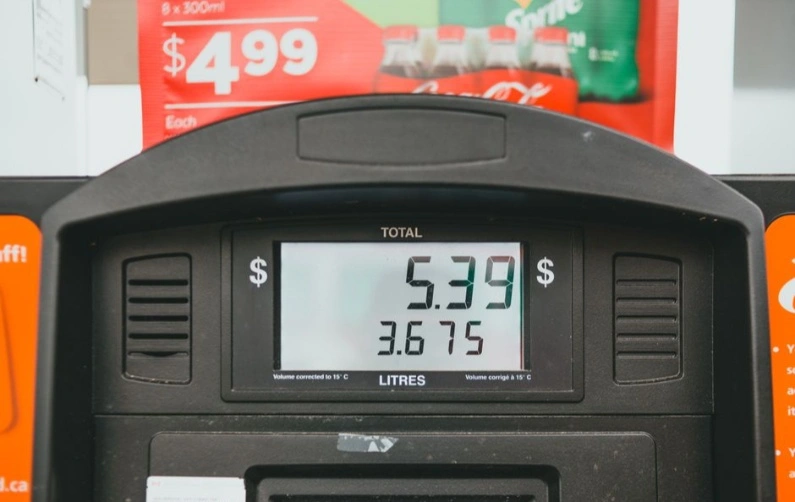
G7 nations agree to release oil reserves amid high fuel prices
Section: News
European data centers are currently grappling with a severe storage crisis, as surging hardware prices driven by the artificial intelligence (AI) boom place unprecedented strain on infrastructure projects across the continent. Industry insiders report that the cost of critical components, especially memory upgrades, has multiplied several times, resulting in project delays, cancellations, and increased operational challenges.
The rapid growth of AI applications has significantly increased demand for high-performance computing resources. This demand, combined with global supply chain constraints, has sharply driven up prices for servers, storage systems, and network equipment. While larger technology manufacturers benefit from the higher prices, many European organizations face substantial budget overruns, forcing them to pause or withdraw funding from both expansion initiatives and new deployments. Some procurement contracts are now subject to legal disputes as customers demand adherence to previously agreed prices, which suppliers can no longer meet due to fluctuating market rates.
Data centers supporting high-performance computing (HPC), machine learning, and cloud services are particularly affected. The impact is most acute for European cloud providers, which typically operate on thin margins and now struggle to remain competitive as hardware investments become less feasible. The crisis extends beyond hardware, as delayed upgrades and expansions risk undermining service quality and the broader digital infrastructure in Europe.
Attempts to mitigate the crisis by turning to the secondary market for used hardware have had limited success. Industry experts note that while pre-owned equipment may temporarily alleviate shortages, it is often less efficient and can incur higher operational costs through increased energy consumption. For organizations seeking to maintain cutting-edge performance, reliance on used hardware is not considered a viable long-term solution.
As a result, many planned projects are being postponed or re-evaluated until market conditions stabilize. Public sector initiatives and government-funded digital infrastructure projects are also affected, with some investments deferred in hopes that hardware prices will normalize in the coming months. The speed of these price increases--occurring over just a few months--has left many organizations with little room to adapt existing procurement strategies.
Amid these challenges, global technology giants, often referred to as hyperscalers, are better positioned to absorb higher costs. These companies, with access to significant capital reserves, are able to continue investing in infrastructure expansion while their smaller European competitors face financial pressures. This disparity raises concerns that the crisis could further entrench Europe's dependence on international hyperscalers, increasing market concentration and limiting the region's ability to develop sovereign digital infrastructure.
Observers suggest that Europe's current predicament is exacerbated by a long-term reliance on external suppliers for critical hardware. Calls for increased investment in local manufacturing and supply chains have grown, but meaningful changes will take time to implement. In the short term, experts recommend that organizations carefully reassess their technology roadmaps and investment priorities, balancing immediate operational needs with the uncertainty of ongoing market volatility.
The European data storage crisis underscores the urgent need for coordinated action among industry stakeholders and policymakers. Without strategic interventions to stabilize supply chains and promote regional sourcing, the continent risks falling further behind in the global technology landscape, jeopardizing its ambitions for digital sovereignty and innovation.
Section: News
Section: Politics
Section: News

Section: Fashion

Section: Fashion

Section: Arts
Section: Business

Section: Business

Section: News

Section: Arts
Both private Health Insurance in Germany and public insurance, is often complicated to navigate, not to mention expensive. As an expat, you are required to navigate this landscape within weeks of arriving, so check our FAQ on PKV. For our guide on resources and access to agents who can give you a competitive quote, try our PKV Calculator.
Germany is famous for its medical expertise and extensive number of hospitals and clinics. See this comprehensive directory of hospitals and clinics across the country, complete with links to their websites, addresses, contact info, and specializations/services.
Didn't manage to get a ticket for Linkin Park? Or still not enough after the concert? Join us at CRASH on June 12th for our "IN THE END" Linkin Park Special + CORE NIGHT.All night long, we'll be playing Linkin Park's music, along with Nu Metal, Metalcore, and Alternative Rock from bands such as Limp...



No comments yet. Be the first to comment!