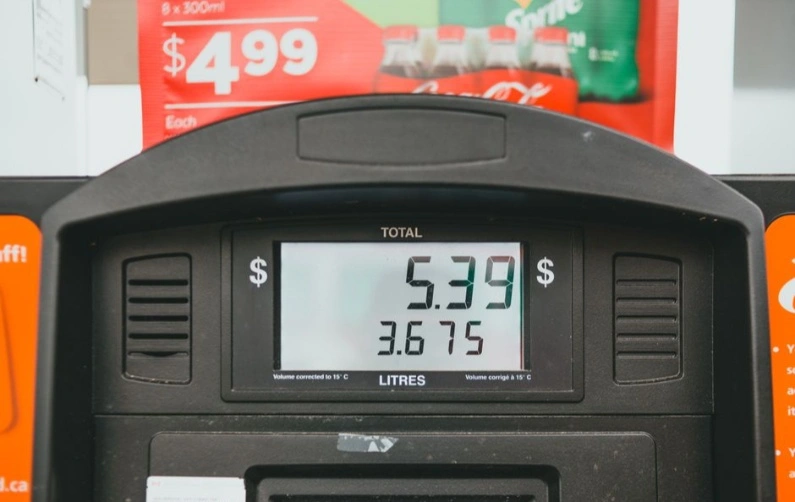
G7 nations agree to release oil reserves amid high fuel prices
Section: News
Discussions are underway in Brandenburg regarding the introduction of a system in which supermarkets would be required to offer a minimum proportion of regional food products. The proposal is being examined as a potential shift in how retail chains source and present their offerings, aiming to increase the presence of locally produced items on store shelves.
The current retail landscape in Germany is dominated by a small number of large supermarket chains, which have significant influence over product selection and pricing. This concentration has raised concerns among agricultural producers, who argue that the dominance of these corporations often results in lower prices for their goods. In recent months, German farmers have staged protests, particularly targeting supermarkets accused of selling products like butter and milk at unsustainably low prices, which, according to the farmers, jeopardizes their livelihoods.
In response, the regional government in Brandenburg is advocating for structural changes within the food retail sector. The intention is to create an environment where supermarkets are either encouraged or required to prioritize regional producers. While the specifics of such a system--whether it would involve fixed quotas or alternative measures--are still under discussion, the overarching goal is to ensure better financial returns for local farmers and greater support for the regional economy.
Supporters of the proposal argue that increased market access for regional producers would not only benefit the agricultural sector but also offer consumers fresher products and contribute to the sustainability of local food systems. They emphasize the need for a balance, recognizing that some consumers, particularly those from lower-income households, may prioritize affordability when choosing food products. As such, any changes would likely need to include a mix of regional and non-regional products to accommodate diverse consumer needs.
Another aspect under consideration is the reinvestment potential for local producers. Proponents suggest that improved profitability for regional farmers could lead to investments in modern technology and production methods, which might, over time, reduce costs and make regional goods more competitive in terms of price. This, in turn, could enable a broader section of the population to access locally sourced products.
Despite growing momentum for change, regional authorities acknowledge that implementing a system-wide transformation would require coordination beyond Brandenburg, involving national-level support and regulatory adjustments. The scale of the proposed changes is considerable, and policymakers recognize that substantial efforts will be necessary to overcome existing market structures and resistance from established retail chains.
As discussions continue, stakeholders from the agricultural sector, food retailers, and consumer advocacy groups are being consulted to ensure that any new regulations or incentives are practical and effective. The outcome of these deliberations could set a precedent for other regions in Germany considering similar measures to strengthen local food systems and support their agricultural communities.
Section: News
Section: Politics
Section: News

Section: Fashion

Section: Fashion
Section: Arts

Section: Business

Section: Business

Section: News

Section: Arts
Both private Health Insurance in Germany and public insurance, is often complicated to navigate, not to mention expensive. As an expat, you are required to navigate this landscape within weeks of arriving, so check our FAQ on PKV. For our guide on resources and access to agents who can give you a competitive quote, try our PKV Calculator.
Germany is famous for its medical expertise and extensive number of hospitals and clinics. See this comprehensive directory of hospitals and clinics across the country, complete with links to their websites, addresses, contact info, and specializations/services.
Didn't manage to get a ticket for Linkin Park? Or still not enough after the concert? Join us at CRASH on June 12th for our "IN THE END" Linkin Park Special + CORE NIGHT.All night long, we'll be playing Linkin Park's music, along with Nu Metal, Metalcore, and Alternative Rock from bands such as Limp...



No comments yet. Be the first to comment!