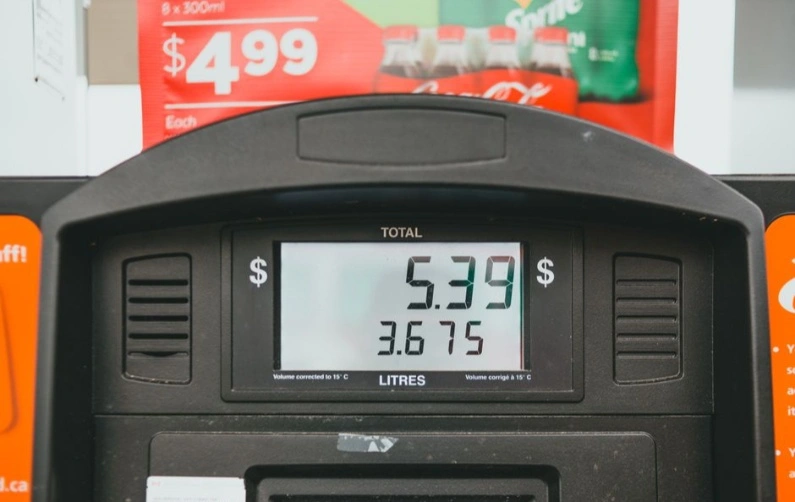
G7 nations agree to release oil reserves amid high fuel prices
Section: News
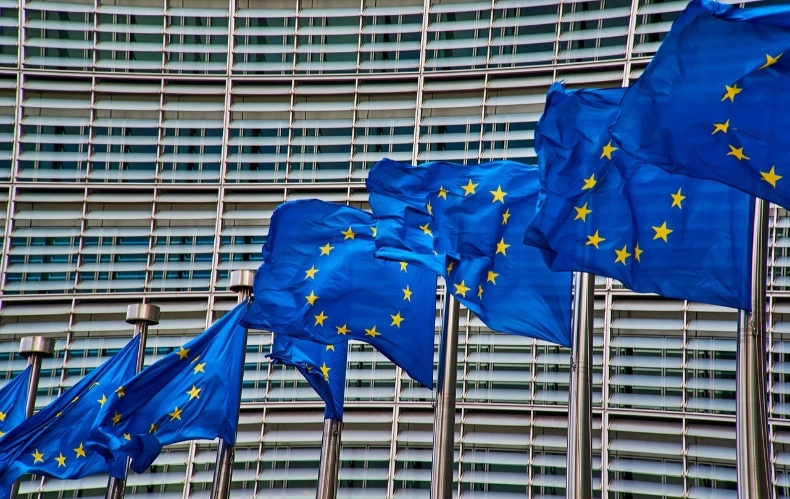
The European Union is implementing stricter migration policies aimed at expediting the removal of individuals whose asylum applications have been denied. New measures endorsed by EU interior ministers are designed to facilitate the swift detention and deportation of those not granted protection status within the bloc.
One significant aspect of these reforms is the potential deployment of so-called 'return hubs' located outside of EU territory. These facilities could be used to process asylum applications or as locations to which rejected applicants are transferred pending their removal from Europe. Although Denmark had previously explored such arrangements with Rwanda, Italy became the first EU member to establish detention centers in neighboring Albania. However, these centers encountered legal obstacles, and their operation was temporarily suspended.
The updated proposals would allow individual EU member states to negotiate agreements with countries outside the bloc to host these return hubs, regardless of whether migrants have any direct connection to those countries. The specifics of how these centers will operate, and which non-EU countries will agree to host them, remain under discussion. The measures are subject to further negotiations with the European Parliament.
Human rights organizations have voiced concerns regarding the outsourcing of asylum processing. Advocacy groups argue that transferring responsibility to countries with limited resources could undermine the protection of migrants' rights. In response, EU officials have stated that any centers established outside the bloc will still adhere to international human rights standards.
Another element of the reforms involves the creation of a centralized list of 'safe' countries. This list enables authorities to fast-track asylum decisions and more efficiently process the removal of applicants whose claims are unlikely to succeed. For example, individuals from countries such as Bangladesh, India, Colombia, Egypt, Morocco, and Tunisia may see their applications processed more rapidly due to these nations being classified as safe by EU standards. Furthermore, EU candidate countries like Montenegro, Moldova, and Serbia are included on this list, except in circumstances involving armed conflict or significant human rights concerns.
To further encourage compliance with deportation orders, the EU is introducing stricter penalties for those who fail to leave the bloc after their claims are rejected. The EU has also indicated it may adjust trade relations with countries that do not cooperate with return procedures.
In addition to these enforcement measures, the EU has finalized a 'solidarity pool' mechanism. This system requires member states in northern and eastern Europe to either accept additional migrants from countries on the bloc's southern borders or contribute financially to support those states most affected by irregular migration. The aim is to distribute responsibilities more equitably among EU members, though the precise details and financial contributions have not been disclosed. Some member states, such as Hungary, have publicly stated their opposition to these requirements, potentially setting the stage for future legal disputes within the bloc.
Polls indicate that irregular migration remains a top concern for EU citizens, ranking just behind issues such as the conflict in Ukraine. The rise in support for far-right parties across Europe, many of which prioritize anti-immigration policies, has prompted mainstream political groups to adopt more restrictive stances on migration in an effort to address voter concerns.
While the EU's latest actions represent the most restrictive set of migration reforms to date, the practical implementation of these measures and their broader impact on migration patterns and human rights protection will be closely monitored in the coming months.
Section: News
Section: Politics
Section: News

Section: Fashion

Section: Fashion
Section: Arts
Section: Business

Section: Business

Section: News
Section: Arts
Both private Health Insurance in Germany and public insurance, is often complicated to navigate, not to mention expensive. As an expat, you are required to navigate this landscape within weeks of arriving, so check our FAQ on PKV. For our guide on resources and access to agents who can give you a competitive quote, try our PKV Calculator.
Germany is famous for its medical expertise and extensive number of hospitals and clinics. See this comprehensive directory of hospitals and clinics across the country, complete with links to their websites, addresses, contact info, and specializations/services.
Didn't manage to get a ticket for Linkin Park? Or still not enough after the concert? Join us at CRASH on June 12th for our "IN THE END" Linkin Park Special + CORE NIGHT.All night long, we'll be playing Linkin Park's music, along with Nu Metal, Metalcore, and Alternative Rock from bands such as Limp...


No comments yet. Be the first to comment!