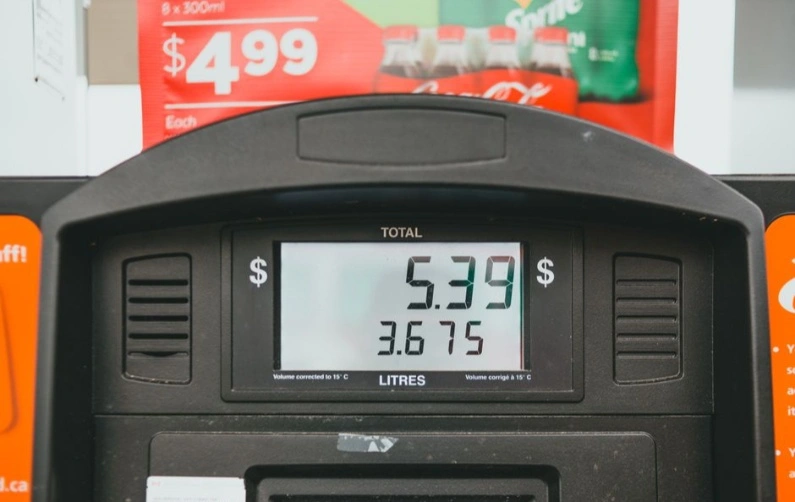
G7 nations agree to release oil reserves amid high fuel prices
Section: News
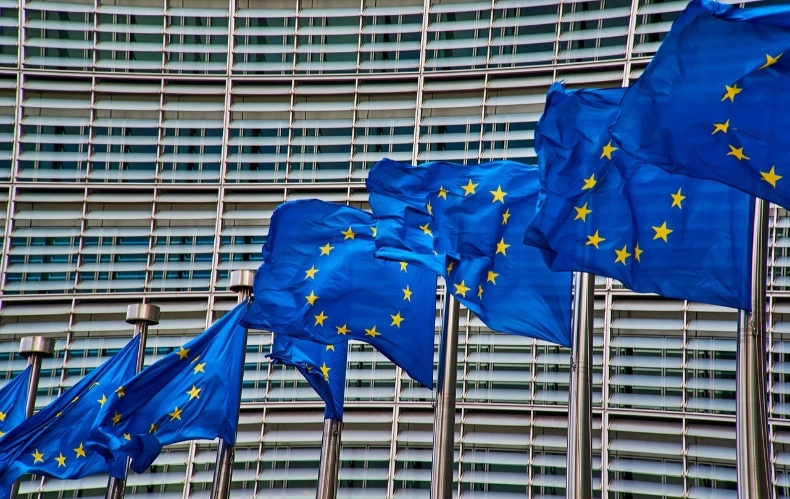
After extensive negotiations, European Union member states have reached an agreement to implement more stringent asylum regulations and to redistribute 21,000 asylum seekers across the bloc. The decision aims to relieve pressure on countries experiencing high numbers of arrivals and to introduce a more coordinated approach to migration management.
The agreement, established during a meeting of EU interior ministers in Brussels, is designed to support member states facing significant migratory challenges. Countries with lower migration pressures will either accept asylum seekers or contribute financially to a collective solidarity fund, which this year is set at 420 million euros. This system was agreed upon as part of the broader European asylum reform, which is scheduled to come into effect in July 2026. Until then, the agreed figures are below the future annual targets of relocating 30,000 people and raising 600 million euros.
Under the new framework, individuals whose asylum applications are rejected will be subject to stricter requirements. These include additional obligations to cooperate with authorities and potential reductions in state benefits for non-compliance. The reforms are intended to streamline deportation procedures and ensure that those without legal grounds to remain leave the EU more efficiently.
The specifics of each country's obligations, including Germany's, have not yet been finalized. However, it is expected that Germany's current efforts--where it processes a considerable number of asylum applications that could be the responsibility of other EU states--will be taken into account. Consequently, Germany may not be required to take on further commitments beyond its ongoing contributions. Other nations that do not accept relocated migrants may fulfill their obligations through financial or material support instead.
According to the European Commission's analysis, Greece, Cyprus, Spain, and Italy are among the countries expected to benefit most from the solidarity mechanism due to their exposure to high migration flows. Meanwhile, states such as Sweden, Portugal, Hungary, Romania, and Luxembourg are likely to be the main contributors under the new rules, either by welcoming asylum seekers or providing other forms of support.
Recent figures indicate that applications for asylum in the EU, as well as in associated countries like Norway and Switzerland, have declined in the first half of the year. A total of 399,000 new asylum applications were registered in these 29 countries by the end of June, reflecting a decrease of 23 percent compared with the same period the previous year.
The overall strategy is part of the EU's continued effort to balance responsibility and solidarity among its member states, aiming to make migration management more predictable and equitable. The agreement underscores the EU's commitment to both humanitarian support for those in need and to stricter enforcement for those without legal grounds to remain within the bloc.
Section: News

Section: Politics
Section: News

Section: Fashion

Section: Fashion

Section: Arts
Section: Business

Section: Business

Section: News

Section: Arts
Both private Health Insurance in Germany and public insurance, is often complicated to navigate, not to mention expensive. As an expat, you are required to navigate this landscape within weeks of arriving, so check our FAQ on PKV. For our guide on resources and access to agents who can give you a competitive quote, try our PKV Calculator.
Germany is famous for its medical expertise and extensive number of hospitals and clinics. See this comprehensive directory of hospitals and clinics across the country, complete with links to their websites, addresses, contact info, and specializations/services.
Didn't manage to get a ticket for Linkin Park? Or still not enough after the concert? Join us at CRASH on June 12th for our "IN THE END" Linkin Park Special + CORE NIGHT.All night long, we'll be playing Linkin Park's music, along with Nu Metal, Metalcore, and Alternative Rock from bands such as Limp...



No comments yet. Be the first to comment!