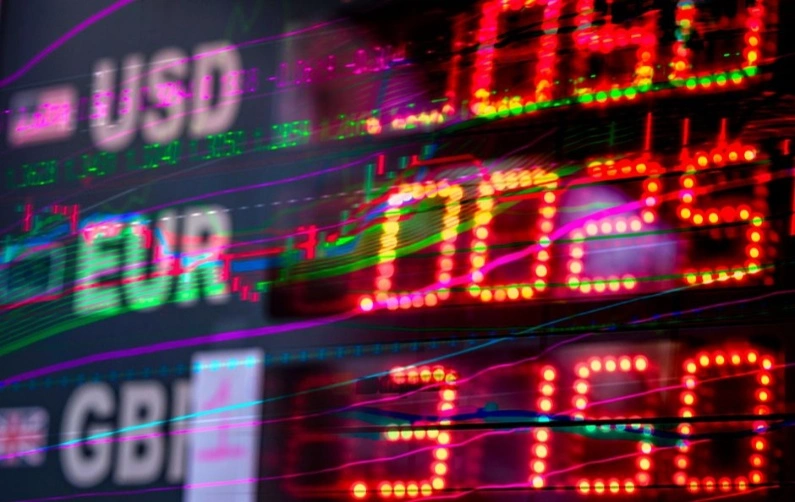
Fears over AI market slow impact global tech stocks
Section: Business
The European Union has taken decisive action to reduce its reliance on Russian energy by implementing a legally binding ban on the import of natural gas from Russia. This measure, set to take effect by 2027, is aimed at strengthening energy security and reducing potential leverage that Russia could exert over European nations through energy supplies.
Following the onset of the conflict in Ukraine, the EU swiftly expressed support for Ukraine, introducing several sanctions and financial aid packages. Despite these efforts, significant sums continued to be paid by EU member states for Russian gas imports, which contributed to Russia's state revenues during the ongoing conflict. For nearly four years, monthly payments to Russia for gas reached about 1.5 billion euros, highlighting a contradiction between the EU's political stance and its economic transactions.
Recognizing the need for a unified approach, the EU has now enacted legislation that will terminate all imports of Russian natural gas no later than 2027. This move is seen as a substantial step towards aligning Europe's energy policies with its political objectives, particularly in light of ongoing geopolitical tensions.
The new regulation is part of a broader strategy to diversify energy sources and promote alternative suppliers. Investments in renewable energy, increased LNG (liquefied natural gas) imports from other countries, and enhanced energy efficiency measures are among the initiatives aimed at achieving long-term energy independence for the continent.
European officials have argued that reducing dependency on Russian energy is essential for both economic and security reasons. By decreasing reliance on a single supplier, the EU aims to mitigate risks associated with supply disruptions or political pressure. This legislative step is also intended to encourage further investment in sustainable energy infrastructure, aligning with the EU's climate and energy targets for the coming decades.
The transition away from Russian gas is expected to have significant implications for both European energy markets and global geopolitics. While the shift may present challenges, including adjustments in supply chains and potential price fluctuations, the EU is committed to ensuring stable and secure energy supplies for its member states.
In summary, the EU's decision to ban Russian natural gas imports marks a major policy shift. The region's focus will now center on securing alternative sources, fostering renewable energy development, and reinforcing energy resilience to safeguard against future external pressures.
Section: Business

Section: Politics

Section: Travel

Section: News
Section: Science

Section: Health
Section: Business

Section: Fashion

Section: Science

Section: Business
Both private Health Insurance in Germany and public insurance, is often complicated to navigate, not to mention expensive. As an expat, you are required to navigate this landscape within weeks of arriving, so check our FAQ on PKV. For our guide on resources and access to agents who can give you a competitive quote, try our PKV Calculator.
Germany is famous for its medical expertise and extensive number of hospitals and clinics. See this comprehensive directory of hospitals and clinics across the country, complete with links to their websites, addresses, contact info, and specializations/services.
Didn't manage to get a ticket for Linkin Park? Or still not enough after the concert? Join us at CRASH on June 12th for our "IN THE END" Linkin Park Special + CORE NIGHT.All night long, we'll be playing Linkin Park's music, along with Nu Metal, Metalcore, and Alternative Rock from bands such as Limp...



No comments yet. Be the first to comment!