
PHP vulnerability causes global disruptions
Section: Science
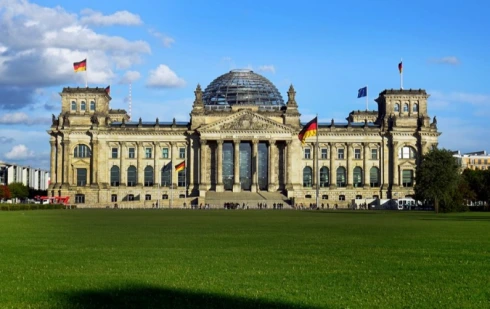
The latest election results in Eastern Germany have sent reverberations across the nation’s political scene, revealing a shifting dynamic that presents both challenges and opportunities for central parties. Analysts observe that these elections, notably in regions like Saxony-Anhalt, offer valuable insights into political engagement strategies amid rising polarization.
The elections underscored the region's shifting political allegiances. According to observers, the central parties faced increased difficulty in maintaining their traditional footholds. This evolution in voter behavior highlights a broader challenge faced by political entities across Germany, as they seek to appeal to an increasingly diverse and polarized electorate.
Reports indicate that personalized political campaigns played a significant role in these elections. However, the impact of personalization was heavily dependent on the presence of compelling candidates. Political analysts have stressed that while personalized tactics might attract media attention and voter engagement, their effectiveness hinges on the candidates’ ability to resonate with the electorate.
In Saxony-Anhalt, recent election outcomes reflected these dynamics. Voter turnout and preferences demonstrated a fragmentation of support, which experts suggest is indicative of a broader trend of political diversification. This shift requires political parties to re-evaluate their strategies and messaging to align with current public sentiments.
Politicians and strategists are now tasked with addressing these changing voter dynamics. The results from Eastern Germany are prompting a reassessment of how parties can connect with voters who feel disillusioned or disconnected from mainstream political discourse. Key challenges include developing messages that address local concerns while maintaining national cohesion.
The trend of changing political tides in former East Germany regions has not gone unnoticed by party leaders. As political landscapes evolve, parties need to adapt, with some focusing on creating more localized campaign strategies that are tailored to regional needs and sentiments. This approach might combat growing disillusionment and foster stronger community engagement.
While the reported swing towards more diverse electoral choices presents a challenge, it also offers an opportunity for political renewal. Parties are being encouraged to innovate and embrace new methods to engage with voters, thus potentially revitalizing their political narratives and appeal.
The evolving political climate in Eastern Germany has broader implications for the upcoming nationwide elections. As the country prepares for future electoral contests, the lessons drawn from these regions could influence campaign strategies and play a critical role in shaping political outcomes.
Moreover, the results in Eastern Germany could push for a re-examination of national policies and priorities, prompting a shift in political dialogue towards more region-specific issues. This shift could result in a more nuanced approach to politics, where understanding and catering to local needs becomes central to electoral success.
As Germany continues to navigate these changes, the central parties face the challenge of remaining relevant and resonant with an electorate that is increasingly seeking alternatives. The need for effective communication and engagement strategies is paramount to ensure political stability and growth.
In conclusion, the recent election results in Eastern Germany present a microcosm of broader political changes affecting the nation. The path forward involves a balancing act of addressing local concerns while maintaining a unified national strategy. Political leaders are tasked with navigating this complex landscape to ensure their parties remain competitive and connected with the populace.
Photo by Gerrit Wilcke on Pexels
Section: Science

Section: News

Section: News

Section: News

Section: Business
Section: Politics

Section: Travel
Section: News
Section: Science

Section: Health
Both private Health Insurance in Germany and public insurance, is often complicated to navigate, not to mention expensive. As an expat, you are required to navigate this landscape within weeks of arriving, so check our FAQ on PKV. For our guide on resources and access to agents who can give you a competitive quote, try our PKV Calculator.
Germany is famous for its medical expertise and extensive number of hospitals and clinics. See this comprehensive directory of hospitals and clinics across the country, complete with links to their websites, addresses, contact info, and specializations/services.
Didn't manage to get a ticket for Linkin Park? Or still not enough after the concert? Join us at CRASH on June 12th for our "IN THE END" Linkin Park Special + CORE NIGHT.All night long, we'll be playing Linkin Park's music, along with Nu Metal, Metalcore, and Alternative Rock from bands such as Limp...



No comments yet. Be the first to comment!