
Fears over AI market slow impact global tech stocks
Section: Business
Volkswagen is embarking on a significant initiative to address key challenges in the automotive sector by investing heavily in its Zwickau facility. The company plans to transform the plant into a central hub for circular economy practices, focusing on sustainable resource management and reducing dependency on raw material imports.
As part of this strategy, Volkswagen intends to allocate up to 90 million euros over the coming years to the Zwickau site. The project aims to dismantle and recycle approximately 15,000 end-of-life vehicles annually starting in 2030. Components that meet quality standards after inspection and refurbishment will be reintroduced into the market, supporting both the used car segment and the production of new vehicles.
The state of Saxony is backing Volkswagen's initiative with an additional 10.7 million euros in funding, underscoring regional support for sustainable industrial practices. The company's approach focuses on minimizing the use of primary raw materials and cutting emissions while developing new value streams and business models. The initiative is designed to enhance Volkswagen's supply chain resilience and secure long-term value creation within the company.
The automotive industry is increasingly challenged by fluctuating access to essential materials, particularly in the electric vehicle sector. Global supply chains for rare earth elements and semiconductors, which are critical for EV production, have become vulnerable due to geopolitical dynamics and export restrictions. Germany, along with other global manufacturers, faces uncertainties tied to these dependencies, especially with China holding a dominant position in the market for certain key resources.
Volkswagen's circular economy concept extends beyond rare earth recycling. The company plans to refurbish and reintegrate various automotive components to reduce waste and promote sustainability. By reusing materials in the manufacturing of new vehicles, Volkswagen aims to decrease its reliance on external suppliers and mitigate the risks associated with global supply fluctuations.
The transition at the Zwickau facility is also expected to have significant implications for employment. Reports indicate that about 1,000 jobs at the plant will be preserved as a result of the new business model. However, the company has not yet clarified the future roles for the remaining 8,500 employees at the location.
Zwickau has already played a pioneering role in Volkswagen's move toward electric mobility, being the first plant in the company's network to fully convert to electric vehicle production. This new investment marks a further step in Volkswagen's broader strategy to lead in automotive sustainability and innovation, reinforcing its commitment to climate-neutral and resource-efficient manufacturing.
Volkswagen's initiative reflects a broader industry trend towards circularity and resource conservation, as manufacturers seek to adapt to evolving market conditions and regulatory pressures. The Zwickau project is expected to set new standards in the reuse and recycling of automotive materials, strengthening both the company's environmental credentials and its operational resilience in a changing global landscape.
Section: Business

Section: Politics
Section: Travel

Section: News
Section: Science
Section: Health
Section: Business
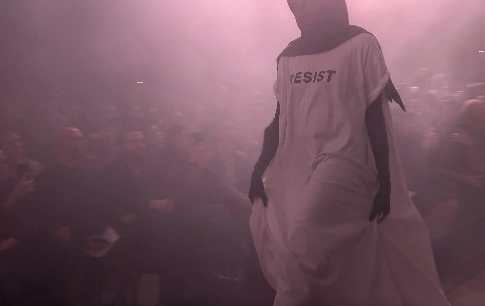
Section: Fashion

Section: Science

Section: Business
Both private Health Insurance in Germany and public insurance, is often complicated to navigate, not to mention expensive. As an expat, you are required to navigate this landscape within weeks of arriving, so check our FAQ on PKV. For our guide on resources and access to agents who can give you a competitive quote, try our PKV Calculator.
Germany is famous for its medical expertise and extensive number of hospitals and clinics. See this comprehensive directory of hospitals and clinics across the country, complete with links to their websites, addresses, contact info, and specializations/services.
Didn't manage to get a ticket for Linkin Park? Or still not enough after the concert? Join us at CRASH on June 12th for our "IN THE END" Linkin Park Special + CORE NIGHT.All night long, we'll be playing Linkin Park's music, along with Nu Metal, Metalcore, and Alternative Rock from bands such as Limp...



No comments yet. Be the first to comment!