
Fears over AI market slow impact global tech stocks
Section: Business
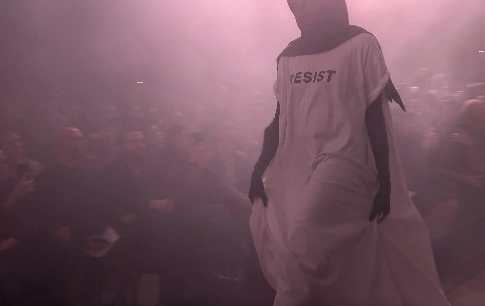
Some of the most influential aesthetics were not created form luxury houses, but within communities searching for identity, visibility and self expression.voguing is one of the clearest examples of this phenomenon, a cultural movement started in Harlem`s ballroom scene that would eventually redefine the visual language of contemporary fashion.
Emerging from the black and Latino LGBTQ+ communities in the 1960s and 80s, voguing transformed performance into empowerment of minorities , inspired by poses seen in fashion magazines, particularly vogue, participants created a style of movement built on elegance, exaggeration and attitude. but beyond its visual appeal, voguing become a space where marginated individuals could construct identities in their own terms and having a safe space to express themselves freely.
In ballroom competitions, fashion was not about exclusivity and wealth; it was about presence, creativity and expression. Participants used clothing, performance and body language to claim visibility in a society that often denied them recognition. There was no specific dress code but mostly was extravagant clothing, hair and makeup, as gender norms been represented as a performance.
Over time, the fashion industry, as many others, absorbed these visual codes. The dramatic posing, confidence, sharp silhouettes, and theatrical femininity associated with voguing became recurring references in editorials, runways, music videos and luxury campaigns. Yet the influence of ballroom culture extends beyond aesthetics, it introduced conversations about inclusivity, fluid identity, and representation long before these ideas became central to the industry's public discourse.
Today, voguing remains more than a performance style. It stands as a reminder that fashion's most transformative ideas often emerge from communities operating outside the mainstream. Its legacy continues to shape how the industry understands beauty, identity, and expression, proving that fashion evolves not only through designers and brands, but through culture itself.
Section: Business

Section: Politics
Section: Travel
Section: News

Section: Science
Section: Health
Section: Business
Section: Fashion

Section: Science

Section: Business
Both private Health Insurance in Germany and public insurance, is often complicated to navigate, not to mention expensive. As an expat, you are required to navigate this landscape within weeks of arriving, so check our FAQ on PKV. For our guide on resources and access to agents who can give you a competitive quote, try our PKV Calculator.
Germany is famous for its medical expertise and extensive number of hospitals and clinics. See this comprehensive directory of hospitals and clinics across the country, complete with links to their websites, addresses, contact info, and specializations/services.
Didn't manage to get a ticket for Linkin Park? Or still not enough after the concert? Join us at CRASH on June 12th for our "IN THE END" Linkin Park Special + CORE NIGHT.All night long, we'll be playing Linkin Park's music, along with Nu Metal, Metalcore, and Alternative Rock from bands such as Limp...



No comments yet. Be the first to comment!