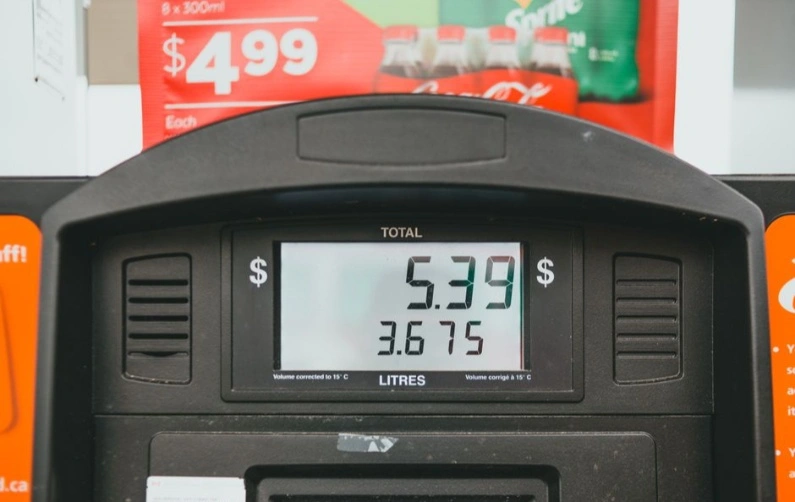
G7 nations agree to release oil reserves amid high fuel prices
Section: News
Nigeria's Independent National Electoral Commission (INEC) has formally announced that the country's next presidential and parliamentary elections will take place on February 20, 2027. This decision sets the stage for a significant political event in Africa's most populous nation, as voters prepare to elect new federal and legislative leaders amid ongoing economic and security challenges.
According to INEC, the upcoming elections will include the selection of the president and vice president, as well as members of the Senate and the House of Representatives. In addition to federal offices, most states will also hold elections for governors and state legislatures on March 6, 2027, with exceptions for states where off-cycle elections are held due to earlier administrative arrangements.
The announcement comes at a time when Nigeria faces mounting socio-economic pressures. The nation has been grappling with persistent inflation, a depreciating currency, and public dissatisfaction over recent economic reforms. These challenges have heightened scrutiny of the current administration and increased public engagement with the political process.
In an effort to address concerns about electoral transparency and credibility, the Nigerian Senate has recently passed an amendment allowing for the real-time electronic transmission of election results. This move is designed to enhance the integrity of the voting process and reduce the prevalence of post-election disputes, which have been a recurring issue in past electoral cycles.
Despite the introduction of new technologies aimed at improving the conduct of elections, public trust in the electoral system remains a challenge. The 2023 general elections saw a voter turnout of just 26%, marking a decline from previous years. Observers have attributed this trend to a combination of political apathy, security concerns, and skepticism about the fairness of the electoral process.
President Bola Ahmed Tinubu, who won the 2023 presidential election with approximately 36% of the vote, is expected to seek re-election. His administration has faced criticism over economic policies and the handling of security issues, particularly in relation to rising incidents of violence and kidnapping. International stakeholders, including the United States, have expressed concern about Nigeria's security landscape and its impact on regional stability.
Political analysts note that the 2027 elections will be closely watched both domestically and internationally. The outcome will likely have implications not only for Nigeria's governance but also for its economic trajectory and role in West African affairs. Among the anticipated contenders, former candidates who participated in the 2023 race, including Peter Obi, have indicated intentions to run again, setting the stage for a competitive electoral contest.
To win the presidency in Nigeria, a candidate must secure at least 25% of the vote in more than two-thirds of the country's 36 states and the federal capital, in addition to obtaining a majority of the overall votes. This requirement ensures broad national support for the elected leader and is designed to promote unity in the country's diverse political landscape.
As preparations for the 2027 elections advance, authorities and civil society groups are expected to intensify efforts to boost voter participation and strengthen public confidence in the electoral process. The upcoming polls are seen as a critical opportunity for Nigeria to further its democratic development and address pressing national challenges.
Section: News
Section: Politics
Section: News

Section: Fashion

Section: Fashion
Section: Arts
Section: Business

Section: Business

Section: News

Section: Arts
Both private Health Insurance in Germany and public insurance, is often complicated to navigate, not to mention expensive. As an expat, you are required to navigate this landscape within weeks of arriving, so check our FAQ on PKV. For our guide on resources and access to agents who can give you a competitive quote, try our PKV Calculator.
Germany is famous for its medical expertise and extensive number of hospitals and clinics. See this comprehensive directory of hospitals and clinics across the country, complete with links to their websites, addresses, contact info, and specializations/services.
Didn't manage to get a ticket for Linkin Park? Or still not enough after the concert? Join us at CRASH on June 12th for our "IN THE END" Linkin Park Special + CORE NIGHT.All night long, we'll be playing Linkin Park's music, along with Nu Metal, Metalcore, and Alternative Rock from bands such as Limp...



No comments yet. Be the first to comment!