
Fears over AI market slow impact global tech stocks
Section: Business
The military-supported Union Solidarity and Development Party (USDP) in Myanmar has claimed victory in the recent parliamentary elections, marking the nation's first general election since the military assumed control in 2021. According to senior officials from the USDP, the party secured 57 out of 61 available seats in the lower house, with vote counting for the upper house and regional parliaments still ongoing.
The election process, which unfolded in three separate phases between late December and late January, has drawn widespread criticism from international observers and local analysts. Many have raised concerns regarding the fairness and inclusivity of the electoral process, particularly highlighting the exclusion of key opposition parties and the reservation of a significant portion of parliamentary seats for the military.
Approximately one-quarter of all parliamentary seats were allocated to the military, as stipulated by the current constitution. Additionally, voting did not take place in several regions controlled by armed insurgent groups, further limiting the electoral participation of certain populations. The absence of elections in these areas has amplified doubts about the overall representativeness of the results.
Throughout the multi-phase election, the USDP claimed substantial victories. Official reports from the first two rounds indicated that the party obtained more than 85 percent of lower house seats and two-thirds of the upper house seats. The USDP also reported winning the constituency represented by former state counselor Aung San Suu Kyi, who remains imprisoned following the 2021 military takeover.
Critics have contended that the electoral process was neither free nor fair, viewing it as a strategic move by the ruling military authorities to consolidate and legitimize their hold on power. The exclusion of prominent opposition parties from the ballot and the lack of voting in conflict-affected regions have been cited as key factors undermining the credibility of the election.
The official results of the parliamentary election are expected to be announced later in the week. Following the conclusion of the vote count, members of both houses of parliament are scheduled to convene in March to elect the country's next president. The current military leader, Min Aung Hlaing, has indicated that he may step down from his military role to pursue the presidency, though no formal announcement has been made regarding his intentions.
These developments have occurred against the backdrop of ongoing political instability in Myanmar. The military ousted the democratically elected government led by Aung San Suu Kyi just before she was set to begin her second term in office. Since then, the country has experienced widespread unrest, ongoing armed resistance in various regions, and continued international condemnation of both the coup and the subsequent political process.
International organizations and foreign governments have largely dismissed the legitimacy of the latest election, citing the restrictive political environment and the absence of meaningful opposition participation. The military administration, however, has rejected these criticisms and insists that the electoral process reflects the will of the people within the framework established under its rule.
As Myanmar awaits the formal announcement of the election results and the subsequent presidential selection, questions remain about the long-term stability and democratic prospects of the country. The outcome of this electoral process is likely to have significant implications for both domestic governance and Myanmar's international relations in the years ahead.
Section: Business
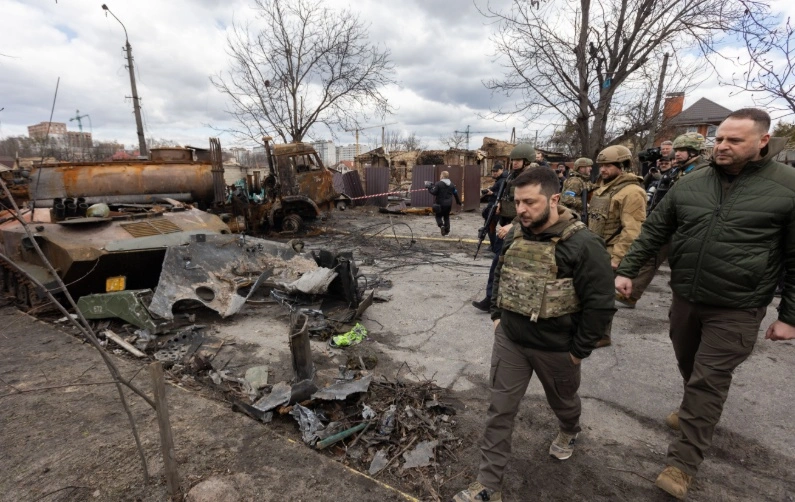
Section: Politics

Section: Travel

Section: News

Section: Science

Section: Health

Section: Business
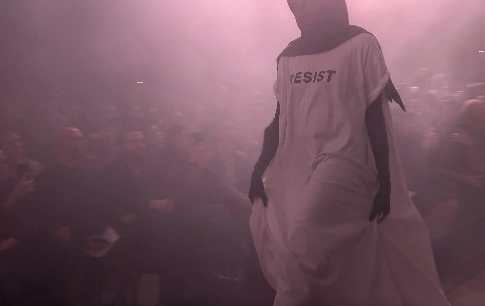
Section: Fashion

Section: Science

Section: Business
Both private Health Insurance in Germany and public insurance, is often complicated to navigate, not to mention expensive. As an expat, you are required to navigate this landscape within weeks of arriving, so check our FAQ on PKV. For our guide on resources and access to agents who can give you a competitive quote, try our PKV Calculator.
Germany is famous for its medical expertise and extensive number of hospitals and clinics. See this comprehensive directory of hospitals and clinics across the country, complete with links to their websites, addresses, contact info, and specializations/services.
Didn't manage to get a ticket for Linkin Park? Or still not enough after the concert? Join us at CRASH on June 12th for our "IN THE END" Linkin Park Special + CORE NIGHT.All night long, we'll be playing Linkin Park's music, along with Nu Metal, Metalcore, and Alternative Rock from bands such as Limp...



No comments yet. Be the first to comment!