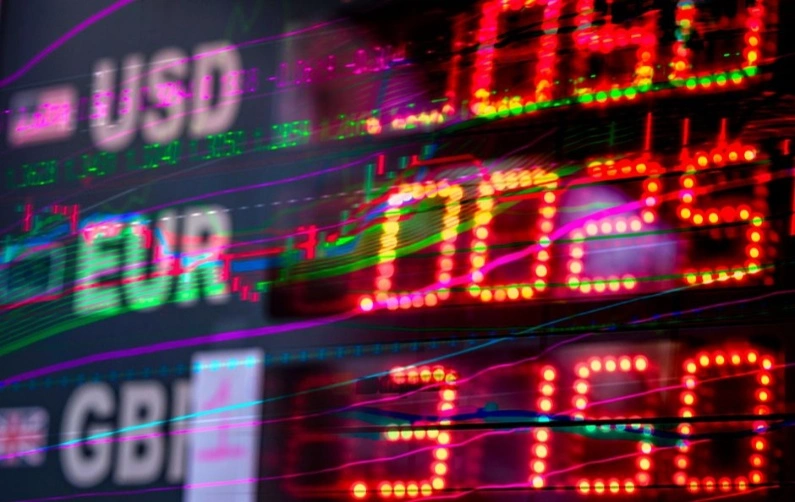
Fears over AI market slow impact global tech stocks
Section: Business
Germany saw a significant increase in inflation in July, according to preliminary data from the Federal Statistical Office. Consumer prices rose by 2.8 percent compared to the same month last year, marking an increase from the 2.3 percent annual inflation rate recorded in June.
The primary driver behind this acceleration in inflation was the conclusion of the government's fuel tax relief program at the end of June. The temporary measure, which had reduced the energy tax on petrol and diesel, effectively lowered fuel prices by approximately 17 cents per liter for two months. With the expiry of this tax reduction, fuel costs increased once again.
In addition to domestic policy changes, rising global oil prices contributed to upward pressure on energy costs. The renewed escalation of conflict in the Middle East has been cited as a factor influencing oil markets, further impacting fuel prices in Germany.
Energy Prices Lead the IncreaseWhen compared to June 2026, consumer prices in July rose by 0.8 percent. The most pronounced price increases were observed in the energy sector, with energy prices rising by 8.3 percent year-on-year. This represents a significant jump from the 3.4 percent annual increase noted in June and follows a 6.6 percent rise in May.
Other consumer categories experienced more moderate changes. Food prices continued their recent trend, climbing by 0.4 percent year-on-year in July, which is in line with the growth rates seen in the preceding two months. Service sector costs--including dining, travel, and other experiences--were up by 2.9 percent compared to July of the previous year.
Effects on Consumers and the Wider EconomyThe increase in inflation has direct implications for households across the country. When prices rise faster than incomes, consumers' purchasing power is eroded, making it more challenging for individuals and families to maintain their standard of living. Economists note that relief may only come once the higher energy prices from the previous year are no longer factored into annual calculations. However, the overall economic environment remains uncertain, as elevated energy costs can affect other areas of the economy over time.
Expert Analysis and Policy ConsiderationsEconomic analysts have primarily attributed the July inflation spike to the combination of the fuel tax policy change and rising crude oil prices. Despite the increase in energy costs, experts do not currently observe a broad-based acceleration of inflation across other sectors. Monetary policy responses, such as interest rate hikes, are largely considered to have limited impact on price shocks caused by temporary or external factors like energy markets.
As inflation continues to shape economic policy discussions, the focus remains on monitoring energy prices and evaluating the potential for broader effects on goods and services. Policymakers and economists will continue to assess the evolving situation to determine appropriate strategies for safeguarding consumer purchasing power and economic stability.
Section: Business
Section: Politics

Section: Travel
Section: News
Section: Science

Section: Health
Section: Business

Section: Fashion

Section: Science

Section: Business
Both private Health Insurance in Germany and public insurance, is often complicated to navigate, not to mention expensive. As an expat, you are required to navigate this landscape within weeks of arriving, so check our FAQ on PKV. For our guide on resources and access to agents who can give you a competitive quote, try our PKV Calculator.
Germany is famous for its medical expertise and extensive number of hospitals and clinics. See this comprehensive directory of hospitals and clinics across the country, complete with links to their websites, addresses, contact info, and specializations/services.
Didn't manage to get a ticket for Linkin Park? Or still not enough after the concert? Join us at CRASH on June 12th for our "IN THE END" Linkin Park Special + CORE NIGHT.All night long, we'll be playing Linkin Park's music, along with Nu Metal, Metalcore, and Alternative Rock from bands such as Limp...



No comments yet. Be the first to comment!