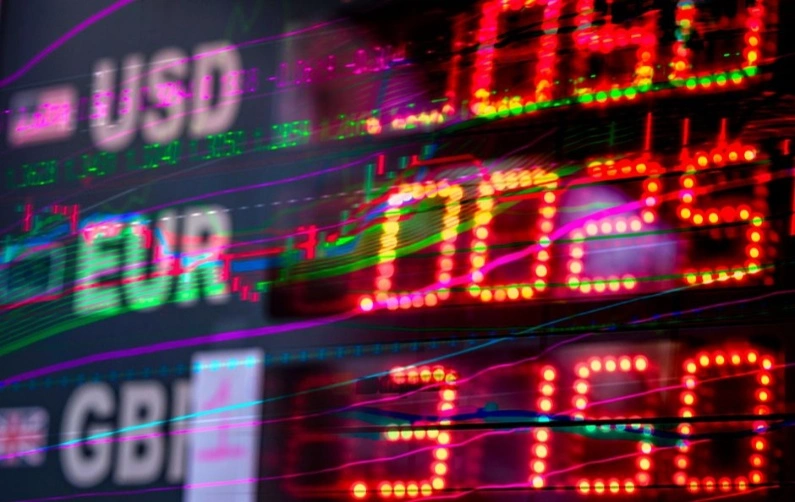
Fears over AI market slow impact global tech stocks
Section: Business
Germany has signaled its willingness to engage in discussions with France regarding the establishment of a European nuclear defense framework. The debate has gained urgency amid growing security concerns across Europe, particularly following increased tensions with Russia and questions about the long-term reliability of the United States as a security partner.
Germany's Vice Chancellor and Finance Minister has emphasized the need for a strategic dialogue with France, which remains the European Union's only nuclear-armed nation. The move comes as France has repeatedly expressed openness to integrating its nuclear forces more closely into European security arrangements. This shift in approach represents a significant development in the ongoing conversation about Europe's ability to ensure its own security independently.
While Germany is bound by international agreements not to possess its own nuclear weapons, officials have highlighted the importance of exploring broader security measures within the European context. The current focus is on strengthening collaboration to bolster deterrence capabilities and enhance Europe's overall strategic autonomy.
Since the conflict in Ukraine began, European leaders have become increasingly concerned about the stability of the continent's security environment. The traditional reliance on the United States' nuclear umbrella, provided through NATO, has come under scrutiny, especially as questions arise about the consistency of US engagement in European defense in the future.
France, under President Emmanuel Macron, has consistently advocated for a stronger European defense posture, including the potential for its nuclear deterrent to play a more prominent role in collective European security. Paris has signaled readiness to include its nuclear capabilities in a broader framework designed to protect all EU member states. Historically, Germany has been cautious about such proposals, but the evolving geopolitical landscape has prompted a reconsideration of its position.
Other policy leaders within Germany have also called for comprehensive discussions on how European nuclear capabilities, including those of France and the United Kingdom, could be effectively utilized to ensure the continent's protection. This approach involves evaluating how existing nuclear arsenals could be embedded within a unified European security strategy, while still respecting national and international legal commitments.
The prospect of a European nuclear shield raises complex legal, political, and strategic questions. Any formal arrangement would require careful coordination within the frameworks of NATO and the European Union, ensuring that deterrence remains credible while upholding non-proliferation norms.
As security dynamics in Europe continue to shift, the question of a European-centered nuclear deterrent is likely to remain a significant topic for policymakers. Germany's willingness to consider discussions with France marks a notable step toward greater European security integration, reflecting the continent's desire to adapt to emerging threats and address uncertainties in transatlantic relations.
In summary, the initiative to explore a European nuclear defense collaboration underscores the growing emphasis on strategic autonomy and collective security within the European Union. As talks progress, leaders will need to navigate the challenges of maintaining unity, upholding treaty obligations, and ensuring the continued effectiveness of Europe's deterrence posture in a rapidly changing global environment.
Section: Business
Section: Politics
Section: Travel
Section: News
Section: Science

Section: Health
Section: Business
Section: Fashion

Section: Science

Section: Business
Both private Health Insurance in Germany and public insurance, is often complicated to navigate, not to mention expensive. As an expat, you are required to navigate this landscape within weeks of arriving, so check our FAQ on PKV. For our guide on resources and access to agents who can give you a competitive quote, try our PKV Calculator.
Germany is famous for its medical expertise and extensive number of hospitals and clinics. See this comprehensive directory of hospitals and clinics across the country, complete with links to their websites, addresses, contact info, and specializations/services.
Didn't manage to get a ticket for Linkin Park? Or still not enough after the concert? Join us at CRASH on June 12th for our "IN THE END" Linkin Park Special + CORE NIGHT.All night long, we'll be playing Linkin Park's music, along with Nu Metal, Metalcore, and Alternative Rock from bands such as Limp...

No comments yet. Be the first to comment!