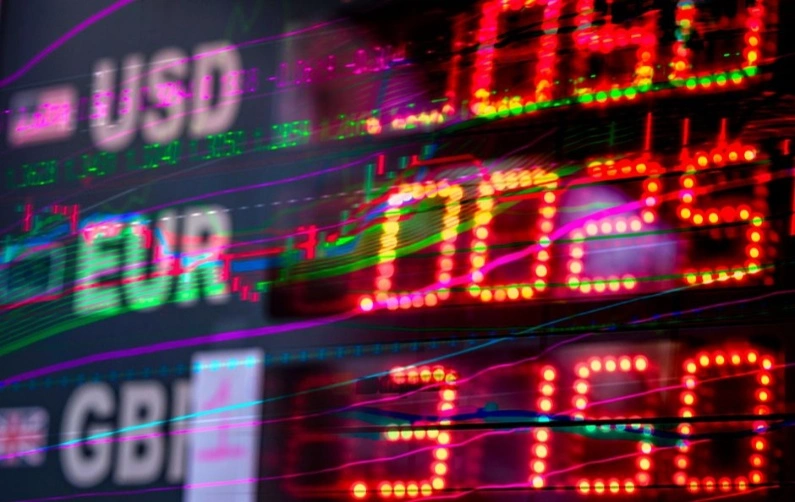
Fears over AI market slow impact global tech stocks
Section: Business
The German Green Party has expressed apprehension regarding the current level of gas reserves in the country, highlighting the substantial decrease in storage levels following an unusually cold winter. The party has called for an urgent meeting of the Bundestag's Economic and Energy Committee, requesting the presence of the Federal Minister for Economic Affairs, Katherina Reiche, to address the situation and outline contingency measures.
Recent data indicates that gas storage facilities in Germany are currently at approximately 30 percent capacity, a figure significantly below both recent years and the average from 2017 to 2021. The decline has been attributed to heightened consumption by both private households and industry during the winter months, with industrial usage returning to levels comparable to those before the onset of the Ukraine conflict in 2022. The colder-than-average winter has further exacerbated the demand for natural gas, leading to a rapid depletion of reserves over the past month.
In light of these developments, the Green Party is seeking clarification from the Ministry of Economic Affairs regarding the government's strategy for ensuring adequate energy supply in the remaining weeks of winter. They have raised concerns about potential supply shortages, especially if adverse weather conditions persist or if there are disruptions in international supply chains. The party is also requesting information on regulatory adjustments intended to facilitate the replenishment of gas storage and reduce dependency on external suppliers, particularly in relation to liquefied natural gas (LNG) imports.
Despite these concerns, the Federal Ministry for Economic Affairs has emphasized that the current gas supply infrastructure is more robust than in previous years. The Ministry points to the expanded LNG terminals now operational in Germany and across Europe, alongside reliable pipeline deliveries from Norway, as factors contributing to the overall security of the energy supply. The Ministry maintains that gas deliveries through neighboring countries such as France and Belgium, as well as ongoing pipeline imports, are sufficient to meet current demand.
The Federal Network Agency, responsible for monitoring Germany's energy infrastructure, has also stated that there is no immediate threat to the country's gas supply. According to the agency, the stability of gas provision is supported by a diversified supply network, which includes storage facilities and various import routes. The agency notes that the risk of a critical shortage remains low at present, with contingency measures in place should the situation deteriorate.
Nevertheless, the Green Party continues to advocate for the establishment of a strategic gas reserve and greater transparency regarding governmental planning and response protocols. They have underscored the importance of proactive management to mitigate the risk of future shortages and stabilize gas prices, which have shown upward trends amid the heightened demand.
As Germany navigates the remainder of the winter season, the debate underscores the ongoing challenges faced by policymakers in balancing energy security, affordability, and the transition towards more sustainable energy sources. The government is expected to provide further updates on its approach to managing gas reserves and ensuring supply continuity in the coming weeks.
Section: Business
Section: Politics

Section: Travel
Section: News
Section: Science

Section: Health
Section: Business
Section: Fashion

Section: Science

Section: Business
Both private Health Insurance in Germany and public insurance, is often complicated to navigate, not to mention expensive. As an expat, you are required to navigate this landscape within weeks of arriving, so check our FAQ on PKV. For our guide on resources and access to agents who can give you a competitive quote, try our PKV Calculator.
Germany is famous for its medical expertise and extensive number of hospitals and clinics. See this comprehensive directory of hospitals and clinics across the country, complete with links to their websites, addresses, contact info, and specializations/services.
Didn't manage to get a ticket for Linkin Park? Or still not enough after the concert? Join us at CRASH on June 12th for our "IN THE END" Linkin Park Special + CORE NIGHT.All night long, we'll be playing Linkin Park's music, along with Nu Metal, Metalcore, and Alternative Rock from bands such as Limp...



No comments yet. Be the first to comment!