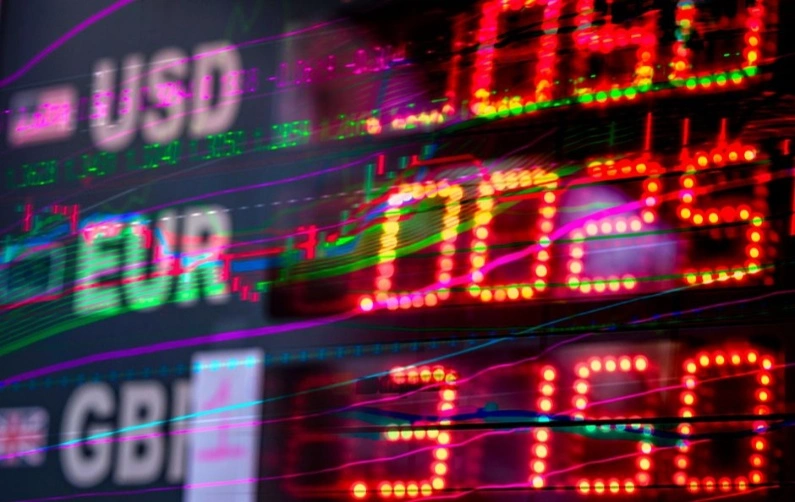
Fears over AI market slow impact global tech stocks
Section: Business
The German government is currently evaluating whether to introduce a temporary fuel subsidy in response to surging oil prices and economic challenges resulting from the ongoing conflict in the Middle East. After high-level discussions with representatives of leading business associations, Chancellor Friedrich Merz indicated that authorities are closely monitoring market developments before making any decisions regarding direct intervention to support motorists and industry affected by escalating fuel costs.
According to the federal government, the situation remains fluid, with officials emphasizing the need for careful analysis of international energy markets and potential consequences of any fiscal measures. The primary goal remains to return energy prices to previous levels, which were broadly considered manageable prior to the outbreak of hostilities in the region. The administration has reiterated that a swift resolution to the conflict would be the most effective means to stabilize fuel prices and restore market equilibrium in Europe.
Impact of the Middle East Conflict on Germany's EconomyThe ongoing war in the Middle East has created significant uncertainty for the German economy, particularly affecting sectors reliant on stable energy supplies and pricing. Chancellor Merz noted that the conflict in Iran poses new challenges for domestic businesses. Prolonged instability in the region could have wide-ranging impacts on Europe, including threats to energy security, potential increases in migration, and broader geopolitical risks.
German authorities are working in close cooperation with partners across Europe and the Middle East to encourage a rapid end to the conflict. The government has stressed the importance of maintaining Iran's territorial integrity and supports a comprehensive peace framework that ensures the security and sovereignty of all nations in the region, including Israel. Officials have also cautioned against a protracted conflict, warning that it could lead to further destabilization and unpredictable consequences for the European continent.
Domestic Calls for Action on Fuel PricesWithin Germany, pressure is mounting for the federal government to take immediate action to address the sharp rise in fuel prices. The Prime Minister of Brandenburg, Dietmar Woidke, has urged the administration to intervene, highlighting the disparity in fuel costs between Germany and neighboring Poland. He described the current situation at fuel stations as unacceptable and called for measures to correct what he termed an untenable imbalance in pricing.
German business organizations have echoed these concerns, with logistics and industrial associations warning that high diesel prices are putting considerable strain on supply chains and manufacturing operations. Industry leaders have called for greater planning certainty regarding energy expenses and have suggested that the government temporarily reduce mineral oil taxes and carbon pricing to provide relief for businesses and consumers alike.
Global Oil Market DevelopmentsThe international oil market has seen prices climb to levels not reached in two years, exacerbating pressures on both businesses and individuals. West Texas Intermediate (WTI) crude oil has increased by nearly five percent, with prices nearing 85 US dollars per barrel, while Brent crude has also reached a 23-month high at almost 88 US dollars per barrel. Energy officials in Qatar have warned that, should the conflict in the Middle East persist, Gulf energy exporters may be forced to halt shipments entirely, potentially pushing global oil prices to as much as 150 dollars per barrel.
Katar's energy ministry has indicated that even if the conflict were resolved promptly, it would take several weeks or even months for supply chains to return to normal. The current volatility in the global energy market underscores the urgent need for both short-term relief measures and long-term strategies to ensure stable energy supplies and protect the German economy from external shocks.
As the government continues to review potential interventions, stakeholders across Germany remain focused on the dual objectives of securing affordable energy and supporting economic resilience amid unprecedented international challenges.
Section: Business
Section: Politics

Section: Travel
Section: News

Section: Science

Section: Health
Section: Business

Section: Fashion

Section: Science

Section: Business
Both private Health Insurance in Germany and public insurance, is often complicated to navigate, not to mention expensive. As an expat, you are required to navigate this landscape within weeks of arriving, so check our FAQ on PKV. For our guide on resources and access to agents who can give you a competitive quote, try our PKV Calculator.
Germany is famous for its medical expertise and extensive number of hospitals and clinics. See this comprehensive directory of hospitals and clinics across the country, complete with links to their websites, addresses, contact info, and specializations/services.
Didn't manage to get a ticket for Linkin Park? Or still not enough after the concert? Join us at CRASH on June 12th for our "IN THE END" Linkin Park Special + CORE NIGHT.All night long, we'll be playing Linkin Park's music, along with Nu Metal, Metalcore, and Alternative Rock from bands such as Limp...



No comments yet. Be the first to comment!