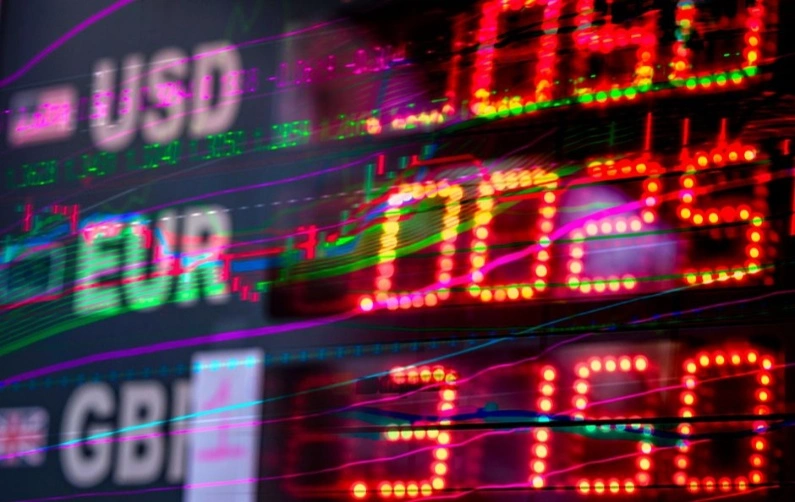
Fears over AI market slow impact global tech stocks
Section: Business
The leader of the SPD parliamentary group has expressed reservations about extending the temporary fuel tax discount beyond its planned two-month duration. The measure, introduced to offset rising fuel costs for consumers, is currently in effect through a reduction in energy taxes on petrol and diesel. While the immediate relief for motorists has been acknowledged, concerns remain regarding its suitability as a lasting solution for affordable mobility.
Speaking about Germany's energy and mobility strategies, the SPD representative emphasized the need for targeted financial relief measures in light of ongoing geopolitical uncertainties. Fluctuations in international oil markets and potential disruptions to supply chains, particularly due to unrest in the Middle East, were cited as risks that could further impact fuel prices. The government has been urged to prepare for a range of scenarios that might arise from global political developments and their influence on domestic energy supplies.
In considering alternatives to the fuel tax reduction, proposals have been put forward for more sustainable, structural measures to support citizens, particularly those with low and middle incomes. A comprehensive tax reform was suggested as a potential avenue for providing lasting financial relief, in contrast to short-term incentives or rebates. The focus would be on ensuring that economic support reaches those most affected by rising living costs, rather than applying broad-based subsidies.
Alongside discussions about tax policy, the introduction of new government grants for electric vehicles was highlighted as another initiative aimed at promoting sustainable transport and easing the financial burden on consumers. These grants are set to become available in the coming week, offering additional options for individuals seeking more cost-effective and environmentally friendly mobility solutions.
Debate continues over the appropriate level of taxation for high-income earners, with the SPD reiterating its call for increased contributions from those with substantial earnings. The party maintains that a more progressive tax structure would help finance broader relief for the middle class and individuals with modest incomes, aligning with the goals of economic equity and social balance.
The current fuel tax discount, introduced at the beginning of May, amounts to a reduction of approximately 17 cents per liter for motorists. The temporary measure is part of a broader response to fluctuating energy prices and aims to cushion the immediate impact on consumers. Policymakers continue to evaluate the effectiveness and sustainability of such measures, weighing short-term benefits against the need for long-term stability in the energy and transport sectors.
As discussions evolve, attention remains focused on balancing affordability, climate policy goals, and fiscal responsibility. The government is considering a range of strategies to ensure that relief measures are effective, equitable, and resilient to external shocks, while supporting the transition toward cleaner and more sustainable forms of mobility.
Section: Business
Section: Politics
Section: Travel
Section: News
Section: Science

Section: Health
Section: Business
Section: Fashion

Section: Science

Section: Business
Both private Health Insurance in Germany and public insurance, is often complicated to navigate, not to mention expensive. As an expat, you are required to navigate this landscape within weeks of arriving, so check our FAQ on PKV. For our guide on resources and access to agents who can give you a competitive quote, try our PKV Calculator.
Germany is famous for its medical expertise and extensive number of hospitals and clinics. See this comprehensive directory of hospitals and clinics across the country, complete with links to their websites, addresses, contact info, and specializations/services.
Didn't manage to get a ticket for Linkin Park? Or still not enough after the concert? Join us at CRASH on June 12th for our "IN THE END" Linkin Park Special + CORE NIGHT.All night long, we'll be playing Linkin Park's music, along with Nu Metal, Metalcore, and Alternative Rock from bands such as Limp...


No comments yet. Be the first to comment!