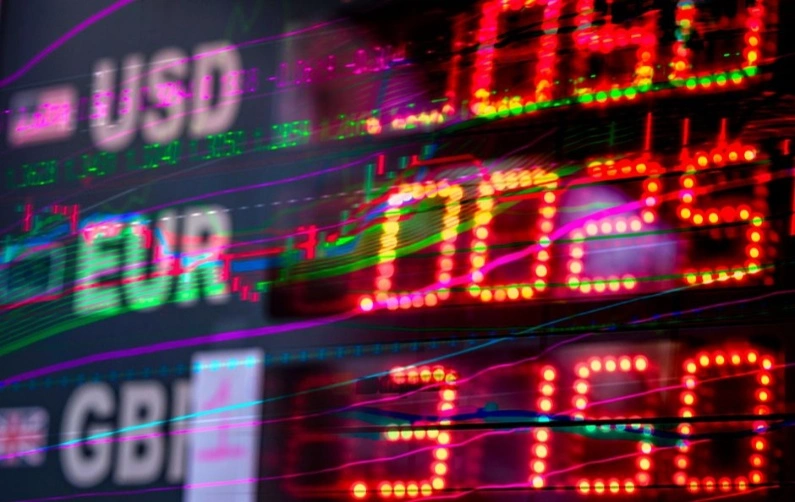
Fears over AI market slow impact global tech stocks
Section: Business
The German economy demonstrated stronger resilience than previously estimated, recording higher-than-anticipated growth in the final quarter of 2025. According to data released by the Federal Statistical Office, the gross domestic product (GDP) increased by 0.3 percent compared to the previous quarter. This figure surpasses earlier projections, which had forecast a growth rate of 0.2 percent for the same period.
This positive performance in the last quarter follows a stagnant third quarter, marking a notable turnaround for the German economy. The year 2025 proved challenging, particularly for foreign trade, with the country facing hurdles such as elevated tariffs imposed by the United States, an appreciating euro, and increased competition from Chinese exporters. Despite these obstacles, domestic economic activity managed to offset some of the external pressures.
The primary drivers behind this unexpected growth were both private and public consumption. Increased spending by households and government entities contributed significantly to the overall expansion of the economy. This uptick in consumption helped to counterbalance the negative effects of the external environment, including trade barriers and currency fluctuations.
For the entirety of 2025, Germany's economy expanded by 0.2 percent. While this growth may appear modest, it is a significant improvement following two consecutive years of economic contraction. The previous periods of decline had raised concerns about prolonged stagnation within Europe's largest economy, but the latest figures suggest a gradual recovery is underway.
The challenges faced by the German economy in 2025 were multifaceted. Higher tariffs imposed by trading partners, particularly the United States, resulted in increased costs for exporters and reduced competitiveness abroad. Additionally, the strengthening of the euro against major currencies further complicated matters for export-oriented industries, making German goods more expensive in international markets. The rise of Chinese competitors in key manufacturing sectors also intensified the pressure on German firms, forcing them to adapt to a rapidly changing global landscape.
Despite these external headwinds, domestic demand played a crucial role in sustaining economic growth. Both private households and the public sector increased their expenditures, providing a stable foundation for the economy. This trend indicates that, while Germany remains heavily integrated into global trade networks, internal markets continue to offer vital support during periods of international uncertainty.
Looking ahead, the German government anticipates further improvement in economic performance. Official forecasts for the current year predict a growth rate of 1.0 percent, reflecting cautious optimism among policymakers. Expectations are based on continued recovery in domestic consumption, gradual stabilization in global markets, and effective measures to enhance competitiveness.
To bolster economic prospects, authorities are focusing on initiatives aimed at strengthening innovation, supporting key industries, and promoting sustainable investment. Efforts to diversify trade partnerships and reduce dependency on individual markets are also underway, with the goal of increasing resilience against future shocks.
In summary, Germany's economy concluded 2025 on a stronger note than initially anticipated, overcoming a range of challenges through robust domestic consumption and targeted policy responses. As the country enters a new year, attention will remain on sustaining this momentum and addressing ongoing global uncertainties.
Section: Business

Section: Politics

Section: Travel
Section: News
Section: Science

Section: Health
Section: Business

Section: Fashion

Section: Science

Section: Business
Both private Health Insurance in Germany and public insurance, is often complicated to navigate, not to mention expensive. As an expat, you are required to navigate this landscape within weeks of arriving, so check our FAQ on PKV. For our guide on resources and access to agents who can give you a competitive quote, try our PKV Calculator.
Germany is famous for its medical expertise and extensive number of hospitals and clinics. See this comprehensive directory of hospitals and clinics across the country, complete with links to their websites, addresses, contact info, and specializations/services.
Didn't manage to get a ticket for Linkin Park? Or still not enough after the concert? Join us at CRASH on June 12th for our "IN THE END" Linkin Park Special + CORE NIGHT.All night long, we'll be playing Linkin Park's music, along with Nu Metal, Metalcore, and Alternative Rock from bands such as Limp...

No comments yet. Be the first to comment!