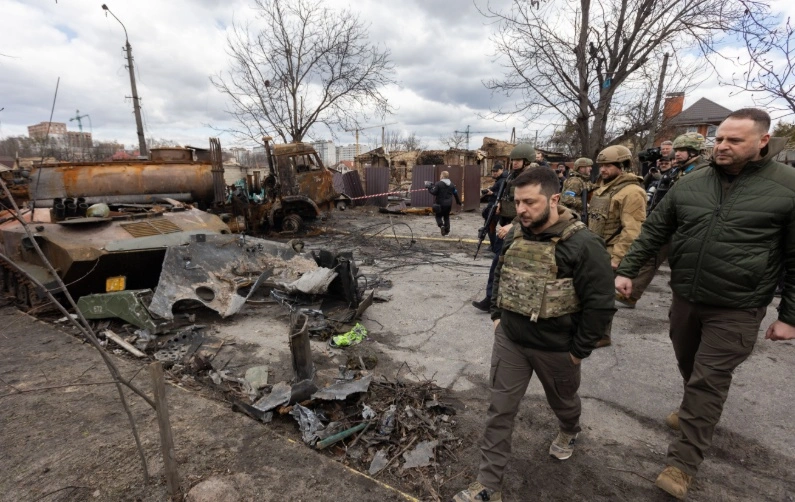
Zelensky urges US to enforce limited ceasefire
Section: Politics
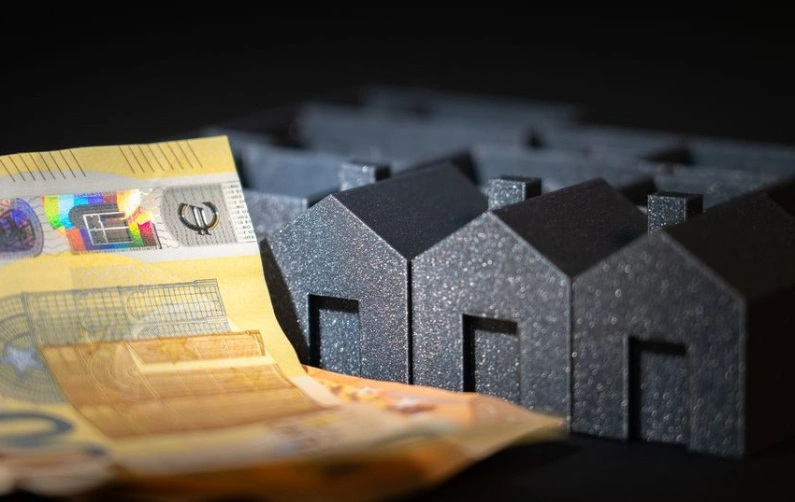
A new study by Swiss multinational bank UBS has concluded that the risk of a real estate bubble in the German cities of Frankfurt and Munich is moderate, despite high housing prices. This determination comes after a significant market correction, as both cities had previously been identified as having some of the highest risks worldwide for property bubbles in 2022.
The UBS report indicates a decrease in bubble risk in Frankfurt, largely attributed to a decline in property prices. The study noted that although real estate prices remain high, the pace at which they have increased has not kept up with rising consumer prices and incomes. As a result, the gap that once suggested a bubble has narrowed.
Munich, another city previously considered at high risk, is also experiencing a moderation in risk levels. High interest rates and increased construction costs have exerted a cooling effect on the housing market there, according to UBS analysts. The robust economic conditions in both cities have helped to stabilize the market and reduce potential bubble formation.
The UBS Global Real Estate Bubble Index analyzed housing markets in 23 major global cities by comparing property prices and rents with income growth and economic development trends. This comprehensive approach also took into account household debt levels and construction activity. Such variables often trigger alarm when deviations occur, as was the case in the 2007-2008 U.S. housing bubble that precipitated a global financial crisis.
Despite adjustments in some markets, the UBS report states that the overall global risk of real estate bubbles remains largely unchanged. However, it identifies a significant threat in three specific cities: Zurich, Tokyo, and Miami, where real estate prices appear disconnected from the actual property values.
Conversely, cities like São Paulo, San Francisco, and New York are considered to have the lowest risk of a real estate bubble at present. Additionally, Paris and London rank low on the risk index, marking a shift in the global real estate landscape.
Maximilian Kunkel, chief investment strategist for UBS in Germany, explained that after an extensive period of low interest rates, the real estate markets in Frankfurt and Munich have undergone considerable corrections. "Inflation-adjusted, prices are as much as 25 percent below the peak levels observed in 2021 and 2022," Kunkel stated.
These findings provide crucial insights for investors, policymakers, and city planners aiming to navigate the complex environment of urban housing markets. By continuing to monitor these indicators, stakeholders hope to prevent the economic turmoil that often follows significant market overvaluations.
Section: Politics
Section: News

Section: Science

Section: Health
Section: Business

Section: Fashion

Section: Science

Section: Business

Section: Health
Section: Business
Both private Health Insurance in Germany and public insurance, is often complicated to navigate, not to mention expensive. As an expat, you are required to navigate this landscape within weeks of arriving, so check our FAQ on PKV. For our guide on resources and access to agents who can give you a competitive quote, try our PKV Calculator.
Germany is famous for its medical expertise and extensive number of hospitals and clinics. See this comprehensive directory of hospitals and clinics across the country, complete with links to their websites, addresses, contact info, and specializations/services.
Didn't manage to get a ticket for Linkin Park? Or still not enough after the concert? Join us at CRASH on June 12th for our "IN THE END" Linkin Park Special + CORE NIGHT.All night long, we'll be playing Linkin Park's music, along with Nu Metal, Metalcore, and Alternative Rock from bands such as Limp...



No comments yet. Be the first to comment!