
Fears over AI market slow impact global tech stocks
Section: Business
In Strasbourg, European farmers gathered to protest the pending EU-Mercosur free trade agreement, voicing concerns about its potential impact on the agricultural sector. Approximately 1,000 farmers from across Europe assembled near the European Parliament, with a visible presence of French and Italian agricultural associations. Their demonstration included parking tractors along access roads and organizing peaceful gatherings at central protest sites.
Farmers argue that the proposed trade agreement threatens their livelihoods by facilitating increased imports of agricultural products from South America. The agreement stipulates a reduction in tariffs on European industrial exports such as automobiles, chemicals, and pharmaceuticals to Latin American countries. In exchange, the EU would provide quotas for goods like beef, pork, poultry, and soy from the Mercosur bloc, which consists of Argentina, Brazil, Paraguay, and Uruguay.
Opponents from the agricultural sector believe that these concessions could significantly undermine European farmers, already challenged by subsidy reductions and increased competition. Some participants highlighted the risk that domestic production may become unsustainable, raising concerns about the long-term viability of local farming and food security within Europe.
The political response to the trade agreement is mixed. While major European industry groups, including automobile manufacturers, support the deal for its potential to open new export markets, agricultural interests remain unconvinced by the inclusion of protective clauses. An Italian-backed safeguard mechanism was added to address concerns about surging imports, but many farmer organizations and their political allies argue that these measures are insufficient.
Debate within the European Parliament reflects broader divisions. Some right-wing factions have introduced motions of no confidence against European Commission President Ursula von der Leyen, who recently traveled to Paraguay to sign the agreement. Meanwhile, left-leaning parliamentary groups have called for the European Court of Justice to review the trade deal for compliance with EU treaties. This move could potentially delay implementation by up to a year.
The outcome of the parliamentary vote, expected in the coming weeks, remains uncertain. Support from the conservative European People's Party (EPP) and the Socialists & Democrats (S&D) group is crucial, but internal divisions--particularly among delegates from countries with strong agricultural sectors like France, Italy, Poland, Ireland, and Austria--may impact the final result. Both left- and right-wing political pressure is influencing voting intentions, making it unclear whether the necessary majority will be secured.
For protesting farmers, delaying or blocking the agreement would be considered a significant success, while failure to secure approval would mark a setback for the European Commission's trade agenda. The ongoing debate underscores the tension between promoting international trade and safeguarding local agricultural interests within the European Union.
Section: Business
Section: Politics
Section: Travel
Section: News
Section: Science

Section: Health

Section: Business
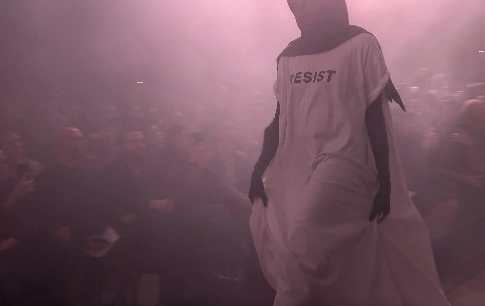
Section: Fashion

Section: Science

Section: Business
Both private Health Insurance in Germany and public insurance, is often complicated to navigate, not to mention expensive. As an expat, you are required to navigate this landscape within weeks of arriving, so check our FAQ on PKV. For our guide on resources and access to agents who can give you a competitive quote, try our PKV Calculator.
Germany is famous for its medical expertise and extensive number of hospitals and clinics. See this comprehensive directory of hospitals and clinics across the country, complete with links to their websites, addresses, contact info, and specializations/services.
Didn't manage to get a ticket for Linkin Park? Or still not enough after the concert? Join us at CRASH on June 12th for our "IN THE END" Linkin Park Special + CORE NIGHT.All night long, we'll be playing Linkin Park's music, along with Nu Metal, Metalcore, and Alternative Rock from bands such as Limp...



No comments yet. Be the first to comment!