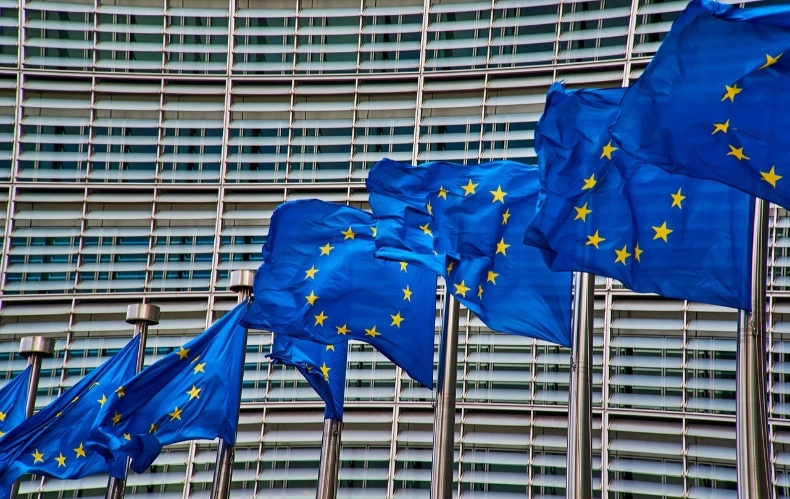
EU Approves €489 Million for Spain, Portugal, Italy and Malta After Early 2026 Storms
Section: Business
The European Union is preparing new measures aimed at intensifying economic pressure on Russia as the conflict in Ukraine enters its fourth year. Among the proposed strategies are tighter restrictions on the export of luxury goods to Russia and potential limitations on the import of Russian resources, such as liquefied natural gas (LNG) and uranium.
Despite the imposition of thousands of sanctions by the EU since the onset of the war, Russian economic resilience has persisted, with little indication of a collapse in key sectors. Russian consumers, particularly the wealthy, continue to access Western luxury products, including high-end European fashion and French wines, albeit at increased prices due to existing restrictions.
Recent calls from the foreign ministers of Sweden and Finland have advocated for more comprehensive sanctions targeting both Russia's shadow shipping fleet and the flow of luxury goods. They argue that Russian access to exclusive European products remains an issue, undermining the intended economic isolation. The current regime already prohibits the export of luxury items exceeding a value of 300 euros, but many goods still reach Russia through intermediary countries, particularly former Soviet states. This circumvention leads to higher costs but does not fully prevent access.
Experts in international sanctions have expressed skepticism regarding the effectiveness of further tightening these measures. They note that the affluent Russian demographic is generally able to absorb increased costs, and complex supply chains involving third countries continue to facilitate the import of sanctioned goods. Investigations have revealed that German automobiles and other luxury items frequently find their way to Russia via alternative routes, sometimes even through Chinese manufacturing or intermediaries in Germany. Customs authorities in the EU have launched periodic crackdowns to combat such practices, but challenges remain.
Further proposals include banning all services to vessels transporting Russian oil, gas, or coal into EU ports. However, analysts suggest that Russia's so-called 'shadow fleet' of shipping already operates independently of Western logistical support, thereby reducing the potential impact of such a ban.
The content of the EU's upcoming 20th sanctions package is still under deliberation. Reports indicate that discussions may focus on restricting imports of Russian uranium, a contentious issue given the reliance of some EU member states, such as France, on Russian nuclear fuel. The EU is also considering targeted measures against individuals implicated in the forced relocation of Ukrainian children to Russia, underscoring the political dimension of the sanctions.
Economists highlight that while sanctions have created complications for the Russian economy, including persistent inflation and the need for convoluted import processes, they have not prompted a decisive shift in Russia's policy or military strategy. The continued support of major global actors such as China and India for Russia's energy exports limits the reach and effectiveness of Western sanctions. Additionally, some members of Russia's elite reportedly view the restrictions as an opportunity to promote domestic industries over reliance on foreign imports.
EU officials characterize the latest proposals as both a symbolic and practical effort to uphold European values and apply moral pressure. They acknowledge, however, that the direct effect on Russia's war economy may be limited. Political scientists emphasize that sanctions should not be regarded as a decisive solution, but rather as part of a broader economic and diplomatic strategy designed to signal resolve and deter further aggression.
As the EU prepares its next round of actions, the effectiveness and scope of further sanctions will continue to be a subject of debate among policymakers and experts, especially given the complex international landscape and ongoing geopolitical alliances.
Section: Business
Section: Business

Section: News
Section: Science
Section: Business
Section: Arts
Section: Health
Section: Politics
Section: Politics
Section: Business
Both private Health Insurance in Germany and public insurance, is often complicated to navigate, not to mention expensive. As an expat, you are required to navigate this landscape within weeks of arriving, so check our FAQ on PKV. For our guide on resources and access to agents who can give you a competitive quote, try our PKV Calculator.
Germany is famous for its medical expertise and extensive number of hospitals and clinics. See this comprehensive directory of hospitals and clinics across the country, complete with links to their websites, addresses, contact info, and specializations/services.
Didn't manage to get a ticket for Linkin Park? Or still not enough after the concert? Join us at CRASH on June 12th for our "IN THE END" Linkin Park Special + CORE NIGHT.All night long, we'll be playing Linkin Park's music, along with Nu Metal, Metalcore, and Alternative Rock from bands such as Limp...



No comments yet. Be the first to comment!