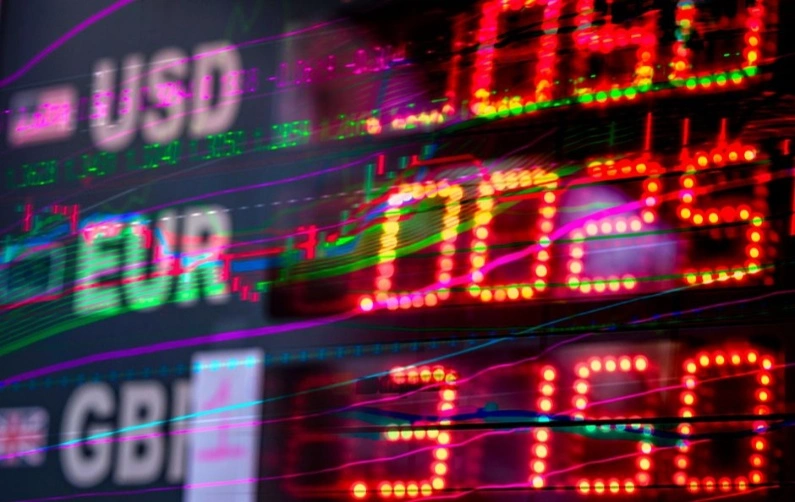
Fears over AI market slow impact global tech stocks
Section: Business
The European Union has dismissed demands from environmental groups for a reassessment of several mining projects classified as critical for the bloc's resource independence. These mining initiatives, which focus on extracting materials such as lithium, cobalt, and rare earth elements, are considered essential for the production of batteries, wind turbines, and semiconductors--core components of the EU's energy transition and technological advancement.
To reduce reliance on imports, particularly from China, the EU has designated 47 mining and processing projects across member states as 'strategic' under the Critical Raw Materials Act. These projects benefit from accelerated permitting procedures, prioritised administrative handling, and access to financial support mechanisms, aiming to expedite Europe's move toward securing its own supply chains.
Despite the strategic importance, many of these ventures are situated in ecologically sensitive areas, raising significant concerns among environmental organisations and local communities. Critics have highlighted a lack of transparency in the selection process and limited participation from civil society. Environmental groups sought a fresh evaluation of 16 out of the 47 projects, citing potential risks to local ecosystems and populations.
The European Commission, however, has maintained that all listed projects have undergone comprehensive assessment. According to a spokesperson, it is the responsibility of individual member states to ensure compliance with EU environmental regulations for each project.
Environmental advocacy organisations have voiced strong objections to the Commission's stance. They argue that while improving resource security is a legitimate objective, there are risks that the 'strategic' designation could be misused to expedite approvals, potentially sidelining environmental safeguards.
One of the most debated projects involves plans for Europe's largest open-pit lithium mine in northern Portugal, developed by a British mining firm. The region, characterised by agricultural activity and sensitive water resources, faces concerns over pollution, groundwater depletion, and adverse landscape changes from local residents. Similar apprehensions have been raised regarding a lithium project in the Ore Mountains near the Czech-German border, where environmental groups warn of possible groundwater contamination and threats to biodiversity. Notably, coordinated efforts from German citizen initiatives successfully prevented the German segment of this mining project from receiving strategic status within the EU.
Other contentious projects are located in Finland, Sweden, Romania, and Spain. Politicians across the EU, citing projected increases in lithium demand, largely regard the rapid development of domestic mining operations as necessary. Nevertheless, many projects remain in early planning phases and have yet to secure final approvals.
Currently, the EU imports most of its unprocessed lithium from Chile, while processed lithium and the majority of rare earth imports come from China, with Russia as another significant supplier. The EU's current approach is focused primarily on raw material extraction, with 25 of the 47 strategic projects dedicated to mining and 10 centred on recycling initiatives.
While the push for resource security aligns with the EU's broader ambitions for green energy and technological autonomy, the debate highlights ongoing tensions between economic priorities and environmental protection. As the bloc moves forward with its strategic raw material agenda, the balance between accelerating supply chain resilience and upholding environmental standards remains at the forefront of policy discussions.
Section: Business
Section: Politics

Section: Travel
Section: News
Section: Science

Section: Health
Section: Business
Section: Fashion

Section: Science

Section: Business
Both private Health Insurance in Germany and public insurance, is often complicated to navigate, not to mention expensive. As an expat, you are required to navigate this landscape within weeks of arriving, so check our FAQ on PKV. For our guide on resources and access to agents who can give you a competitive quote, try our PKV Calculator.
Germany is famous for its medical expertise and extensive number of hospitals and clinics. See this comprehensive directory of hospitals and clinics across the country, complete with links to their websites, addresses, contact info, and specializations/services.
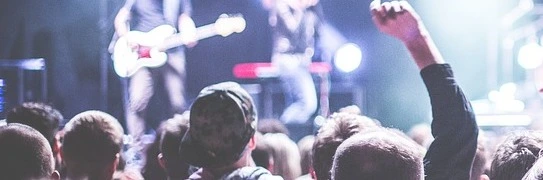
Didn't manage to get a ticket for Linkin Park? Or still not enough after the concert? Join us at CRASH on June 12th for our "IN THE END" Linkin Park Special + CORE NIGHT.All night long, we'll be playing Linkin Park's music, along with Nu Metal, Metalcore, and Alternative Rock from bands such as Limp...
No comments yet. Be the first to comment!