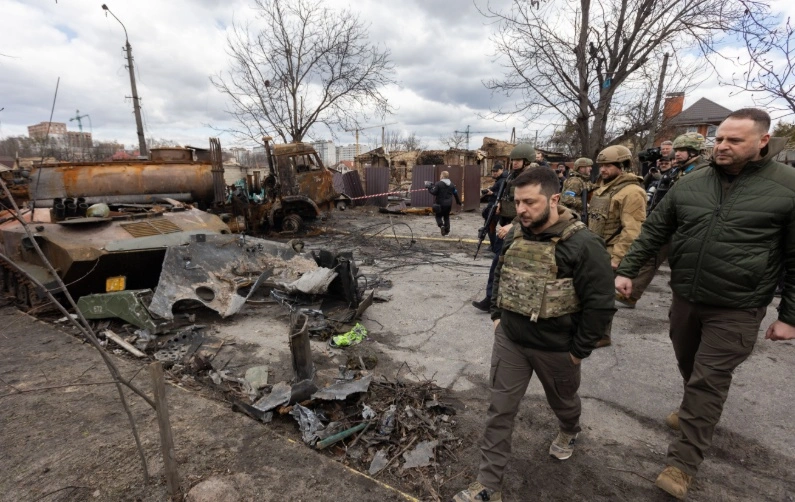
Zelensky urges US to enforce limited ceasefire
Section: Politics
Recent data from the European Union's Copernicus monitoring program reveals that June and July marked unprecedented temperature highs across Western Europe, making them the hottest on record since systematic weather observations began. The average temperature during these two months reached 21.62 degrees Celsius, surpassing previous records set in 2022. This extreme heat was not confined to Europe; a total of 33 countries worldwide reported their hottest July to date, impacting an estimated 900 million people.
Europe, identified as the fastest-warming continent, experienced prolonged heatwaves, widespread drought, and numerous wildfires throughout the early summer. According to Copernicus, these persistently high temperatures underscore the severity of this year's summer heat. Soil moisture levels in July were also significantly lower compared to the previous extreme drought in 2022, highlighting the compounding effects of heat and dryness. Experts warn that the ongoing interplay between high temperatures and drought conditions is intensifying, a clear sign of the escalating impacts associated with global climate change.
Several Western and Central European nations, including France, Spain, Austria, Hungary, the United Kingdom, Ireland, and parts of Iceland, reported intense periods of dryness. In Germany, meteorological assessments indicated that soils in certain regions have dried out to levels comparable to the severe drought years of 2018 and 2022. Major rivers, such as the Rhine, are currently experiencing low water levels, raising concerns from the German inland shipping association regarding potential disruptions to navigation and the risk of splitting the river into non-navigable sections if rainfall continues to decline.
Many countries noted new temperature records, with France and Spain facing their most devastating wildfires in recent years. While meteorological agencies in wealthier nations can confirm these extremes with detailed climate data, many lower-income countries lack comprehensive reporting capabilities. Nevertheless, Copernicus data, as analyzed by global news agencies, estimates that around 900 million individuals encountered record-breaking heat last month. Of these, nearly 400 million reside in Africa, particularly in the Sahel region.
Central America also endured significant heat, with approximately 110 million people exposed to record temperatures in July, while Europe accounted for about 120 million affected individuals. Additionally, over 250 million people in disparate regions such as China's Sichuan province, several U.S. states including Wyoming and Colorado, and Indonesian islands like Sumatra and Borneo, experienced their hottest July since records began.
Oceanic temperatures displayed similar trends. According to Copernicus, global sea surface temperatures in July reached new highs, continuing the record-setting conditions observed in June. The development of the El Niño phenomenon is thought to contribute to these temperature spikes. El Niño, a naturally occurring climatic event characterized by warming Pacific Ocean waters, can alter global weather patterns, leading to increased risks of extreme weather.
Scientific consensus points to greenhouse gas emissions as the principal driver behind the rise in global temperatures and the intensification of heatwaves and drought. The latest observations suggest that current climate conditions are unprecedented in recent history, with significant implications for natural ecosystems, agriculture, water resources, and human health. The mounting frequency and severity of heat-related events underline the urgency for effective climate action and adaptation strategies worldwide.
Section: Politics

Section: News

Section: Science

Section: Health

Section: Business

Section: Fashion

Section: Science

Section: Business

Section: Health
Section: Business
Both private Health Insurance in Germany and public insurance, is often complicated to navigate, not to mention expensive. As an expat, you are required to navigate this landscape within weeks of arriving, so check our FAQ on PKV. For our guide on resources and access to agents who can give you a competitive quote, try our PKV Calculator.
Germany is famous for its medical expertise and extensive number of hospitals and clinics. See this comprehensive directory of hospitals and clinics across the country, complete with links to their websites, addresses, contact info, and specializations/services.
Didn't manage to get a ticket for Linkin Park? Or still not enough after the concert? Join us at CRASH on June 12th for our "IN THE END" Linkin Park Special + CORE NIGHT.All night long, we'll be playing Linkin Park's music, along with Nu Metal, Metalcore, and Alternative Rock from bands such as Limp...



No comments yet. Be the first to comment!