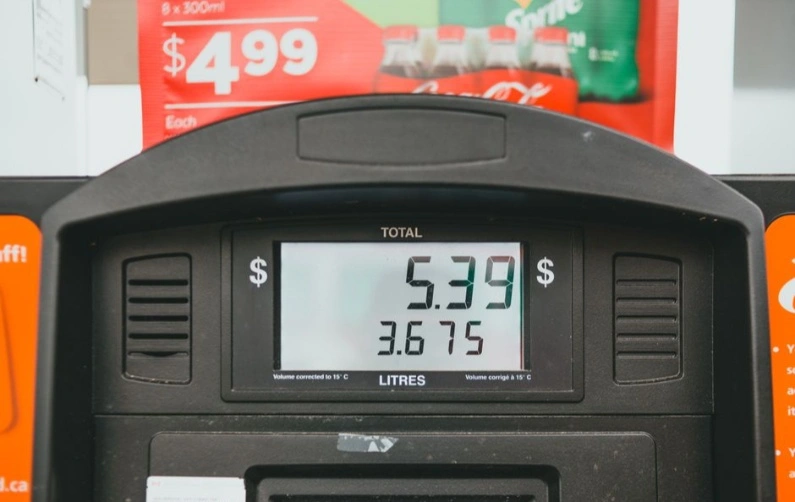
G7 nations agree to release oil reserves amid high fuel prices
Section: News
Recent data from the European Automobile Manufacturers Association (ACEA) indicates continued growth in the European Union's automotive market, with new passenger car registrations reaching 887,491 units in November. This figure represents a 2.1 percent increase compared to the same month last year, signaling a steady recovery in the sector.
From January to November, a total of roughly 9.86 million new cars were registered across the EU, marking a 1.4 percent rise over the previous year. Despite this positive trajectory, the industry has yet to return to the pre-pandemic registration levels, with overall volumes remaining below historical norms.
Electric Vehicles Expand Their PresenceThe market share of battery electric vehicles (BEVs) has seen notable growth. Over the first eleven months of the year, BEVs accounted for 16.9 percent of all new registrations, up from 13.4 percent in the prior year. This upward trend highlights increasing consumer interest in electric mobility and ongoing efforts by manufacturers to expand their electric offerings.
However, the performance of individual brands within the electric vehicle segment varied. Tesla, a prominent electric vehicle manufacturer, experienced a significant downturn. The company's registrations in the EU fell to 12,130 vehicles in November, a sharp decline of 34 percent compared to the same period the previous year. Cumulatively, Tesla's registrations for the year to date are nearly 39 percent lower than in 2024, reflecting shifting dynamics in the competitive EV market.
Market Leaders and Brand PerformanceVolkswagen Group retained its position as the leading automotive group in the EU, with its various brands collectively registering a 3.5 percent year-on-year increase in November. Despite the overall group growth, some brands faced challenges: Porsche, also part of the Volkswagen Group, reported a decrease of approximately 28 percent in new registrations.
The BMW Group saw a positive development, with new registrations rising by 4 percent. Conversely, Mercedes-Benz experienced a 3.8 percent decline in new vehicle registrations during the same period. The Stellantis Group, which encompasses brands such as Peugeot, Citroën, Fiat, and Opel, achieved a modest growth of 0.3 percent.
Industry Outlook and ChallengesWhile the automotive market is demonstrating resilience, industry analysts note that overall sales remain subdued compared to pre-pandemic figures. The sector continues to navigate challenges such as supply chain disruptions, evolving consumer preferences, and regulatory shifts towards electrification and sustainability.
Manufacturers are responding to these market dynamics by investing in new technologies, expanding their electric vehicle portfolios, and adapting to changing regulatory frameworks across the EU. The growing market share of electric vehicles underscores the ongoing transition towards greener mobility solutions, even as traditional internal combustion engine models persist in the market.
Future ProspectsAs the EU automotive industry approaches the end of the year, the momentum in new car registrations and the expanding footprint of electric vehicles suggest a cautiously optimistic outlook. Market observers anticipate further growth in the electric segment as infrastructure improves and consumer incentives remain in place. However, the industry is expected to remain vigilant in addressing supply chain issues and adapting to evolving policy landscapes that could influence future market performance.
Section: News
Section: Politics
Section: News

Section: Fashion

Section: Fashion

Section: Arts
Section: Business

Section: Business

Section: News

Section: Arts
Both private Health Insurance in Germany and public insurance, is often complicated to navigate, not to mention expensive. As an expat, you are required to navigate this landscape within weeks of arriving, so check our FAQ on PKV. For our guide on resources and access to agents who can give you a competitive quote, try our PKV Calculator.
Germany is famous for its medical expertise and extensive number of hospitals and clinics. See this comprehensive directory of hospitals and clinics across the country, complete with links to their websites, addresses, contact info, and specializations/services.
Didn't manage to get a ticket for Linkin Park? Or still not enough after the concert? Join us at CRASH on June 12th for our "IN THE END" Linkin Park Special + CORE NIGHT.All night long, we'll be playing Linkin Park's music, along with Nu Metal, Metalcore, and Alternative Rock from bands such as Limp...



No comments yet. Be the first to comment!