
Fears over AI market slow impact global tech stocks
Section: Business
After the recent dissolution of the coalition between the Social Democratic Party (SPD) and the Bündnis Sahra Wagenknecht (BSW) in Brandenburg, the political landscape in the state parliament has shifted notably. Both the Alternative for Germany (AfD) and BSW now find themselves in the opposition, prompting discussions about shared policy positions and the future of legislative collaboration.
The AfD parliamentary group in Brandenburg has indicated areas where its views align with those of BSW, particularly on matters such as opposing sanctions on Russian oil and expressing reservations about the integration of digital devices in primary education. The AfD leadership has emphasized an absence of barriers between itself and the BSW, suggesting a willingness to engage on common policy grounds.
Following the collapse of the SPD-BSW coalition, which was triggered by multiple resignations from the BSW parliamentary group, the state's Minister-President declared the partnership over. In subsequent parliamentary sessions, remaining BSW representatives have at times voted in accordance with the AfD, signaling a potential alignment on specific legislative issues. This development comes despite the AfD being officially classified by state authorities as a right-wing extremist party.
The BSW has responded to these observations by clarifying its position in the parliament. BSW's parliamentary leadership has stated that recent decisions, such as supporting the dissolution of the state parliament and calling for new elections, were based on the party's independent assessment of the political situation rather than coordination with the AfD. BSW has rejected the concept of a strict separation from the AfD, instead advocating for a constructive approach to opposition work. The party leadership has asserted that their main criterion for supporting legislative proposals is their perceived benefit and rationality, rather than their origin, while also clarifying that formal cooperation with the AfD, such as joint proposals, is not planned. The BSW has dismissed suggestions of a rightward shift within its own ranks.
Meanwhile, SPD parliamentary representatives have called on the BSW to exercise responsible conduct as part of the opposition. They have urged the BSW to distinguish itself through constructive and independent parliamentary work, warning against any moves that could blur boundaries with extremist parties.
These developments reflect broader debates within Brandenburg's political environment regarding coalition stability, the role of opposition parties, and the challenges of maintaining clear ideological distinctions. The aftermath of the coalition breakup has brought to the forefront questions about party cooperation, legislative priorities, and the strategies of emerging opposition groups.
As Brandenburg prepares for potential new elections, the interactions between AfD, BSW, and other political actors are likely to influence both legislative outcomes and voter perceptions. The situation underscores the complexities of parliamentary dynamics in a fragmented political landscape, with parties reassessing alliances and policy strategies in response to evolving circumstances.
Section: Business
Section: Politics
Section: Travel
Section: News

Section: Science

Section: Health
Section: Business
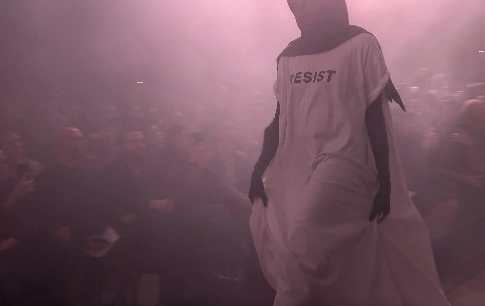
Section: Fashion

Section: Science

Section: Business
Both private Health Insurance in Germany and public insurance, is often complicated to navigate, not to mention expensive. As an expat, you are required to navigate this landscape within weeks of arriving, so check our FAQ on PKV. For our guide on resources and access to agents who can give you a competitive quote, try our PKV Calculator.
Germany is famous for its medical expertise and extensive number of hospitals and clinics. See this comprehensive directory of hospitals and clinics across the country, complete with links to their websites, addresses, contact info, and specializations/services.
Didn't manage to get a ticket for Linkin Park? Or still not enough after the concert? Join us at CRASH on June 12th for our "IN THE END" Linkin Park Special + CORE NIGHT.All night long, we'll be playing Linkin Park's music, along with Nu Metal, Metalcore, and Alternative Rock from bands such as Limp...



No comments yet. Be the first to comment!