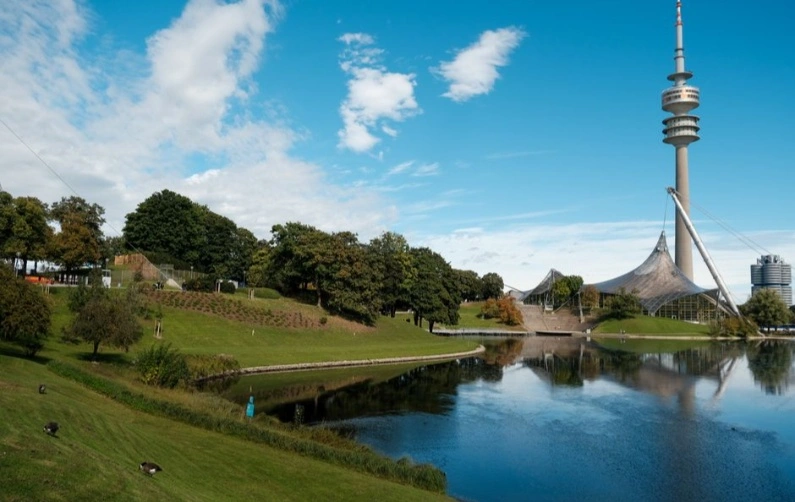
Munich enters race for hosting future Olympic Games
Section: Arts
The Bavarian region is facing significant changes as reports emerge about a partial withdrawal of United States military personnel from the area. The proposed plan involves relocating approximately 5,000 US soldiers currently stationed in Vilseck, a small town in the Upper Palatinate, and is expected to have broad-ranging effects on the local community and economy.
Vilseck, situated in the Amberg-Sulzbach district and forming part of the Nuremberg metropolitan region, has long hosted a substantial US military presence. The town, with a population of around 6,500, is characterized by its connection to the US Army, particularly through the Rose Barracks and the nearby Grafenwöhr Training Area--the largest US military training site outside the United States. The Stryker Brigade, comprising the 5,000 troops in question, has been a major component of the local social and economic landscape.
The decision, reportedly originating from Washington, comes amid heightened diplomatic tensions between the United States and Germany. Recent exchanges between the US administration and German leadership have sparked debate over defense policies and international cooperation, setting the context for this significant military realignment.
Local authorities in Vilseck have expressed concerns about the ramifications of the troop reduction. The US soldiers, along with their families, contribute significantly to the local economy by supporting businesses, housing, and various services. Recent investments in residential infrastructure for military families underscore the longstanding partnership between the US Army and the community.
The potential troop withdrawal raises questions about the future stability of the area. Local businesses, which rely on the patronage of military personnel and their families, may face reduced demand, leading to possible economic challenges. Additionally, the presence of the Stryker Brigade has been integral to the community's identity, fostering cultural exchange and cooperation between American and German residents.
This is not the first time such changes have been considered. Similar plans were discussed in 2020, though previous political developments prevented any significant action at that time. The current proposal, however, appears more likely to proceed, reflecting evolving US defense priorities and international strategies.
Despite the proposed withdrawal, reports indicate that a permanent contingent of approximately 8,000 US troops will remain stationed at Grafenwöhr. This continued presence is expected to provide some measure of stability for the region, even as Vilseck prepares for a period of transition.
The situation is still developing, with local leaders seeking dialogue and possible solutions to mitigate the economic and social impact of the troop reduction. The long-term effects on Vilseck and the surrounding communities will depend on the outcome of ongoing discussions between American and German officials, as well as the adaptability of the region to these impending changes.
As the region awaits further details from Washington and Berlin, attention remains focused on the implications for local employment, infrastructure, and international relations, underscoring the interconnectedness of military strategy and community well-being in Bavaria.
Section: Arts

Section: Business

Section: Business

Section: News

Section: Arts

Section: Science

Section: Business
Section: Arts

Section: Arts

Section: Health
Both private Health Insurance in Germany and public insurance, is often complicated to navigate, not to mention expensive. As an expat, you are required to navigate this landscape within weeks of arriving, so check our FAQ on PKV. For our guide on resources and access to agents who can give you a competitive quote, try our PKV Calculator.
Germany is famous for its medical expertise and extensive number of hospitals and clinics. See this comprehensive directory of hospitals and clinics across the country, complete with links to their websites, addresses, contact info, and specializations/services.
Didn't manage to get a ticket for Linkin Park? Or still not enough after the concert? Join us at CRASH on June 12th for our "IN THE END" Linkin Park Special + CORE NIGHT.All night long, we'll be playing Linkin Park's music, along with Nu Metal, Metalcore, and Alternative Rock from bands such as Limp...



No comments yet. Be the first to comment!