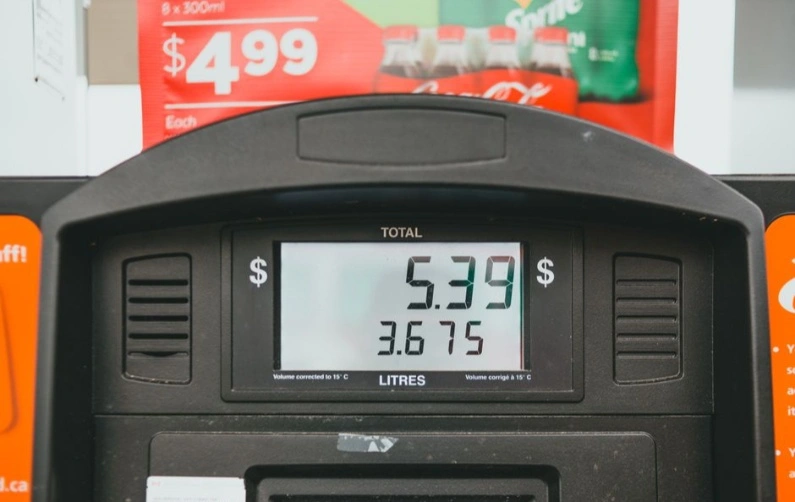
G7 nations agree to release oil reserves amid high fuel prices
Section: News
A humpback whale, known as Timmy, is currently stranded in the shallow waters of Poel Bay near Wismar, Mecklenburg-Western Pomerania. According to marine specialists, the nearly 12-meter-long animal is in critical condition, unable to free itself from the mud and shallow water. The situation has drawn attention from environmental authorities and conservation groups, as efforts to save the whale have been deemed unfeasible due to its poor health and physical state.
Local environmental officials, alongside experts from various marine research institutions and organizations, have concluded that a rescue operation would only prolong the whale's suffering. The consensus among these groups is that the animal's condition leaves it with no realistic chance of recovery or survival. Consequently, discussions have shifted towards whether euthanasia would be a more humane alternative compared to allowing the whale to die naturally over an extended period.
Assessment of Euthanasia MethodsThe feasibility of euthanizing large stranded whales is a subject of ongoing debate in the scientific community. A comprehensive study conducted by the United States National Oceanic and Atmospheric Administration (NOAA) in 2016 explored various methods for humanely ending the suffering of stranded whales. According to the study, two primary approaches are considered: administering euthanasia drugs and employing physical methods such as shooting or controlled explosions.
Administering euthanasia drugs is often preferred for its potential to provide a painless death. However, the logistics of delivering sufficient doses to a whale of Timmy's size present significant challenges. The use of tranquilizers or sedatives is typically required before administering lethal doses, but the process is complex and may not always be effective for such large marine mammals.
Physical Euthanasia TechniquesPhysical methods, such as shooting or controlled detonation, have been utilized in some international cases. For example, specialized equipment has been developed in Australia for the humane termination of large whales. The device is designed to deliver a fatal shot to the animal, but its effectiveness can vary depending on the situation. In certain instances, a second attempt was necessary, and the process sometimes led to prolonged distress before death occurred.
Another approach discussed in scientific literature involves the use of shaped explosive charges. These charges are strategically placed on the whale's head to ensure immediate fatality. While this method has been effective in previous cases involving baleen whales, such as humpbacks, it requires trained personnel and precise execution. The operation is both resource-intensive and carries inherent risks for those involved.
Site-Specific ChallengesThe NOAA study emphasizes that the success of these euthanasia methods depends heavily on the whale's location and physical circumstances. Ideally, euthanasia is most feasible when the animal is on land or in extremely shallow water. Timmy, however, remains trapped in water approximately 1.4 meters deep, complicating potential intervention. This in-between state, neither fully ashore nor completely submerged, limits the practical application of available euthanasia techniques.
Besides the technical and ethical considerations, the safety of responders is also a significant concern. Approaching a large, distressed whale in shallow water involves considerable risk, and any intervention must be carefully planned and executed to prevent harm to both the animal and the personnel involved.
Ongoing DilemmaAs Timmy remains stranded, the situation underscores the complex ethical and logistical challenges associated with marine mammal strandings. While a natural death may entail prolonged suffering, current technological and environmental constraints have so far prevented the implementation of a humane alternative. The case has reignited discussions about the best practices for dealing with large whale strandings and the responsibilities of conservation authorities and the broader community.
Timmy's plight serves as a stark reminder of the vulnerability of marine wildlife and the difficulties in providing humane care under challenging circumstances. For now, the whale remains trapped between land and sea, an emblem of the broader challenges faced in marine conservation and animal welfare.
Section: News

Section: Politics
Section: News

Section: Fashion

Section: Fashion

Section: Arts

Section: Business

Section: Business

Section: News

Section: Arts
Both private Health Insurance in Germany and public insurance, is often complicated to navigate, not to mention expensive. As an expat, you are required to navigate this landscape within weeks of arriving, so check our FAQ on PKV. For our guide on resources and access to agents who can give you a competitive quote, try our PKV Calculator.
Germany is famous for its medical expertise and extensive number of hospitals and clinics. See this comprehensive directory of hospitals and clinics across the country, complete with links to their websites, addresses, contact info, and specializations/services.
Didn't manage to get a ticket for Linkin Park? Or still not enough after the concert? Join us at CRASH on June 12th for our "IN THE END" Linkin Park Special + CORE NIGHT.All night long, we'll be playing Linkin Park's music, along with Nu Metal, Metalcore, and Alternative Rock from bands such as Limp...



No comments yet. Be the first to comment!