
Fears over AI market slow impact global tech stocks
Section: Business
Refugee children in Germany continue to face significant barriers to essential services, according to new findings from social welfare organizations. An estimated 100,000 children in the country are subject to the provisions of the Asylum Seekers' Benefits Act (Asylbewerberleistungsgesetz, AsylbLG), which restricts their access to healthcare, education, and other fundamental needs. These limitations are reported to conflict with the principles of the UN Convention on the Rights of the Child.
Recent surveys conducted among professional staff at advisory centers and social institutions, including the Paritätische Wohlfahrtsverband and Save the Children, indicate that 87 percent of respondents have observed restricted participation for these children across multiple areas of life. The impact is most pronounced in healthcare, but extends to culture, sports, education, nutrition, clothing, and mobility. Social welfare organizations emphasize that the disadvantages experienced are not isolated, but affect almost every aspect of daily living for these children.
The AsylbLG, enacted in 1993 by representatives of several political parties, was designed to limit perceived migration into the welfare system by providing lower benefit rates to asylum seekers compared to recipients of basic income support. These lower rates are based on the minimum subsistence level, which, according to welfare groups, often fails to meet basic needs. Any reduction or suspension of benefits under the AsylbLG has particularly severe consequences, especially for families already living near poverty thresholds.
In 2024, the introduction of a payment card system for AsylbLG recipients further impacted children's everyday experiences. This system, which allows authorities to set limits on cash withdrawals, varies in implementation across regions. Among professionals familiar with the payment card, 90 percent reported that cash limits had a negative effect on children, notably in sports and leisure activities. Delays in processing payments can prevent children from participating in extracurricular opportunities, and families may be forced to cut spending on essentials such as food and clothing.
Day-to-day needs often require cash transactions, especially for children. Costs for snacks, club fees, or small purchases at school events typically cannot be paid through the card, leading to social stigma and exclusion. Staff members from various regions have observed that affected children experience embarrassment and isolation when unable to participate fully in peer activities because of payment restrictions.
The survey, carried out in the spring of 2026, highlighted healthcare as the area of most acute disadvantage. Children covered under the AsylbLG were generally entitled only to treatment for acute illnesses and pain. Access to ongoing therapies, such as psychological counseling or treatment for chronic conditions like asthma or diabetes, was rare and subject to exceptional approval. Significant gaps were also identified in the provision of items such as eyeglasses and hearing aids.
On June 12, a reform of the Common European Asylum System (GEAS) extended statutory health insurance benefits to underage refugees in Germany. However, bureaucratic obstacles have limited the practical reach of this reform, and adults continue to be subject to previous regulations. The survey found that prolonged administrative processes often delay access to necessary documentation and services, leaving families without support for extended periods.
Welfare organizations argue that these conditions place refugee children at a systemic disadvantage, with long waiting times for vital documents and inconsistent access to basic services. They have called for the repeal of the AsylbLG, citing the ongoing disparity between the legal entitlements of refugee children and those of other minors in Germany.
Section: Business
Section: Politics

Section: Travel
Section: News

Section: Science
Section: Health

Section: Business
Section: Fashion

Section: Science

Section: Business
Both private Health Insurance in Germany and public insurance, is often complicated to navigate, not to mention expensive. As an expat, you are required to navigate this landscape within weeks of arriving, so check our FAQ on PKV. For our guide on resources and access to agents who can give you a competitive quote, try our PKV Calculator.
Germany is famous for its medical expertise and extensive number of hospitals and clinics. See this comprehensive directory of hospitals and clinics across the country, complete with links to their websites, addresses, contact info, and specializations/services.
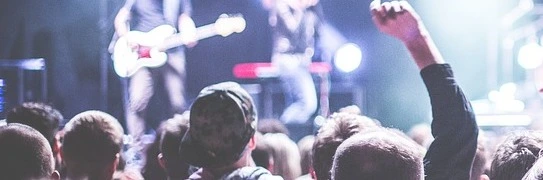
Didn't manage to get a ticket for Linkin Park? Or still not enough after the concert? Join us at CRASH on June 12th for our "IN THE END" Linkin Park Special + CORE NIGHT.All night long, we'll be playing Linkin Park's music, along with Nu Metal, Metalcore, and Alternative Rock from bands such as Limp...
No comments yet. Be the first to comment!