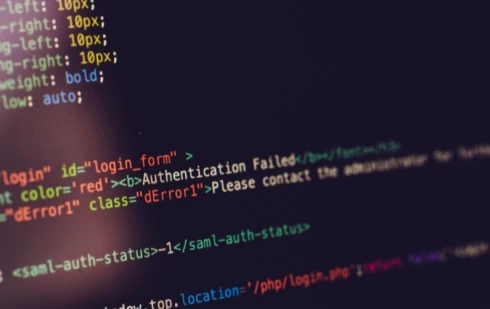
 A major security vulnerability has been discovered in the PHP programming language, causing disruptions to systems worldwide. The vulnerability was reported on October 22, 2026, by Laura Bisch from SWR, highlighting the extent to which this issue has impacted various digital platforms reliant on PHP.
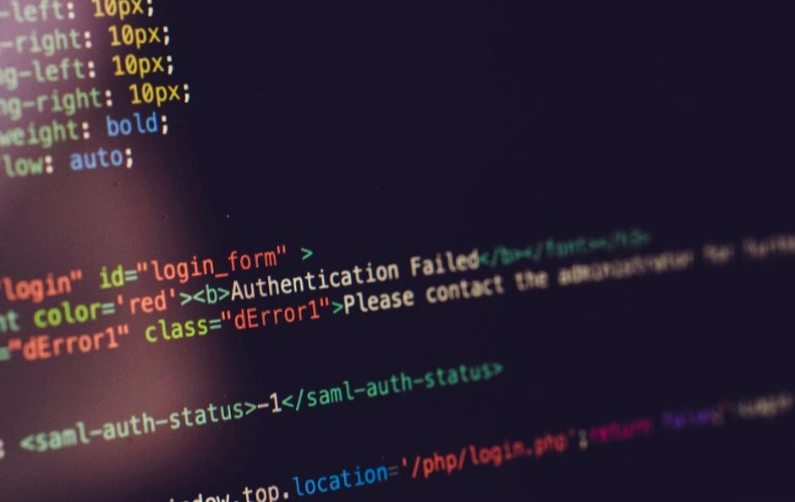
PHP vulnerability causes global disruptions
Section: Science
PHP, a widely used server-side scripting language, is integral to many web applications and platforms. The vulnerability reportedly allows unauthorized access to systems, potentially compromising sensitive data. This has raised significant concerns among developers and system administrators globally, who are now working to mitigate the effects and secure their systems.
According to industry experts, the vulnerability stems from a flaw in how PHP handles certain inputs, which can be exploited by malicious actors to gain control over affected systems. Signs of exploitation have already been detected, although the full scope of the affected systems remains unclear. Companies and users have been urged to update their PHP installations immediately to the latest version available, which contains security patches addressing the issue.
The discovery of such vulnerabilities highlights the continuous challenges faced by security professionals in ensuring the protection of digital infrastructures. As PHP is employed in an extensive array of applications, from small personal blogs to large-scale enterprise systems, the urgency of addressing this security flaw cannot be overstated.
The PHP development team has responded swiftly by releasing updates to address the vulnerability and recommending best practices for users to secure their applications. System administrators and developers have been encouraged to apply these updates without delay to prevent potential exploitation. The updates have been made available on the official PHP website, along with detailed instructions on their implementation.
This incident has drawn attention to the importance of regular security assessments and the timely application of security patches in software management. Security experts note that many organizations may not consistently update their software, making them vulnerable to exploits such as this recent PHP flaw.
Industry observers warn that while immediate updates can provide a temporary solution, long-term measures are necessary to fortify systems against future vulnerabilities. Regular audits, comprehensive security policies, and continuous monitoring of system activities are recommended strategies to safeguard digital architectures effectively.
The PHP security issue is reminiscent of past incidents where critical vulnerabilities have disrupted services across the internet. As the digital landscape continues to evolve, ensuring robust security measures remains a key priority for developers and companies aiming to protect themselves from the growing threat of cyber-attacks.
The PHP community is actively collaborating with security researchers and the wider technology industry to improve the language's security posture. Efforts to enhance PHP's integrity are part of a broader movement towards safer coding practices and more resilient web applications.
As investigations continue into the nature and impact of the vulnerability, stakeholders across the technology sector are reminded of the ever-present threats in cyberspace. By remaining vigilant and proactive, developers and organizations alike can reduce the risks associated with such vulnerabilities and protect the assets entrusted to their care.
Photo by Markus Spiske on Pexels
Section: Science

Section: News

Section: News

Section: News

Section: Business

Section: Politics

Section: Travel

Section: News

Section: Science

Section: Health
Both private Health Insurance in Germany and public insurance, is often complicated to navigate, not to mention expensive. As an expat, you are required to navigate this landscape within weeks of arriving, so check our FAQ on PKV. For our guide on resources and access to agents who can give you a competitive quote, try our PKV Calculator.
Germany is famous for its medical expertise and extensive number of hospitals and clinics. See this comprehensive directory of hospitals and clinics across the country, complete with links to their websites, addresses, contact info, and specializations/services.
Didn't manage to get a ticket for Linkin Park? Or still not enough after the concert? Join us at CRASH on June 12th for our "IN THE END" Linkin Park Special + CORE NIGHT.All night long, we'll be playing Linkin Park's music, along with Nu Metal, Metalcore, and Alternative Rock from bands such as Limp...



No comments yet. Be the first to comment!