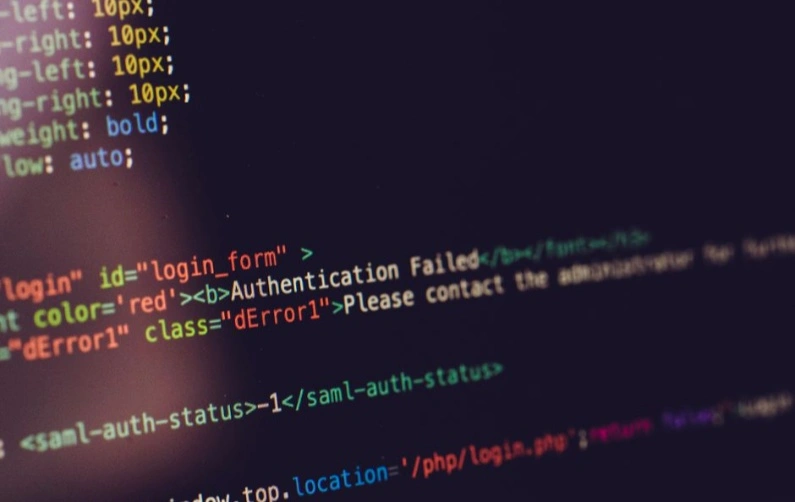
PHP vulnerability causes global disruptions
Section: Science
Pakistan is emerging as a central figure in efforts to mediate between the United States and Iran amid escalating tensions in the Middle East. With uncertainty surrounding the trajectory of the conflict, Islamabad has intensified diplomatic efforts, engaging with regional stakeholders including Turkey, Egypt, and Saudi Arabia to lay the foundation for potential negotiations between Washington and Tehran.
The Pakistani government has expressed readiness to facilitate dialogue, acknowledging the trust placed in it by both the US and Iran. However, the nature and format of any possible talks remain unclear, with both Washington and Tehran issuing ambiguous statements regarding the status of negotiations.
Recent developments have heightened regional anxieties. Iran's parliament leadership has voiced skepticism over proposed talks, suggesting that negotiations could mask broader military intentions. The arrival of US military forces in the region has further fueled these concerns, with Iranian officials warning of potential escalation if threatened energy infrastructure is targeted.
Pakistan's role as a mediator is rooted in its longstanding relationships with both Iran and the United States. The country also maintains important ties with key Gulf nations, including a mutual defense agreement with Saudi Arabia. These complex alliances require Islamabad to navigate a delicate diplomatic balance, as any escalation risks directly affecting Pakistan's economic and security interests.
Economically, Pakistan is heavily reliant on energy supplies from the Gulf, as well as remittances from its expatriate population in the region. Disruption of energy flows through critical routes such as the Strait of Hormuz could exacerbate inflation and fiscal pressures already present in the country. Additionally, instability along Pakistan's western border with Iran increases the risk of refugee influxes, cross-border militancy, and heightened security threats.
Domestically, Pakistan faces persistent security challenges, including ongoing tensions with militant groups in Balochistan and conflict with the Taliban in neighboring Afghanistan. The potential for a protracted regional conflict only amplifies these internal vulnerabilities. Sectarian dynamics further complicate the situation, given Pakistan's significant Shia Muslim population and their cultural ties to Iran. Recent unrest in the northern regions following developments in Iran illustrates the risk of spillover from regional events into domestic instability.
Pakistan's strategic objective is to position itself as a stabilizing force, seeking to prevent the regional conflict from expanding and to insulate itself from the economic and security repercussions of a wider war. The government remains cautious, aiming to avoid direct military involvement, especially if Gulf partners are drawn further into the crisis. Nevertheless, the complexity of Pakistan's alliances means even symbolic support for one side carries risks of border tensions, proxy actions, and economic retaliation.
While Pakistan has mechanisms in place to manage sectarian and political tensions, the evolving crisis underscores the challenge of maintaining internal equilibrium amid external pressures. The country's diplomatic engagement reflects a broader effort to contain the fallout from escalating hostilities, safeguard national interests, and prevent the conflict from undermining regional stability.
As the prospect of negotiations remains uncertain, Pakistan's leadership continues to advocate for dialogue and de-escalation, emphasizing the urgent need for a peaceful resolution to avoid further destabilization of the region and its own security environment.
Section: Science

Section: News

Section: News

Section: News

Section: Business
Section: Politics

Section: Travel

Section: News

Section: Science

Section: Health
Both private Health Insurance in Germany and public insurance, is often complicated to navigate, not to mention expensive. As an expat, you are required to navigate this landscape within weeks of arriving, so check our FAQ on PKV. For our guide on resources and access to agents who can give you a competitive quote, try our PKV Calculator.
Germany is famous for its medical expertise and extensive number of hospitals and clinics. See this comprehensive directory of hospitals and clinics across the country, complete with links to their websites, addresses, contact info, and specializations/services.
Didn't manage to get a ticket for Linkin Park? Or still not enough after the concert? Join us at CRASH on June 12th for our "IN THE END" Linkin Park Special + CORE NIGHT.All night long, we'll be playing Linkin Park's music, along with Nu Metal, Metalcore, and Alternative Rock from bands such as Limp...



No comments yet. Be the first to comment!