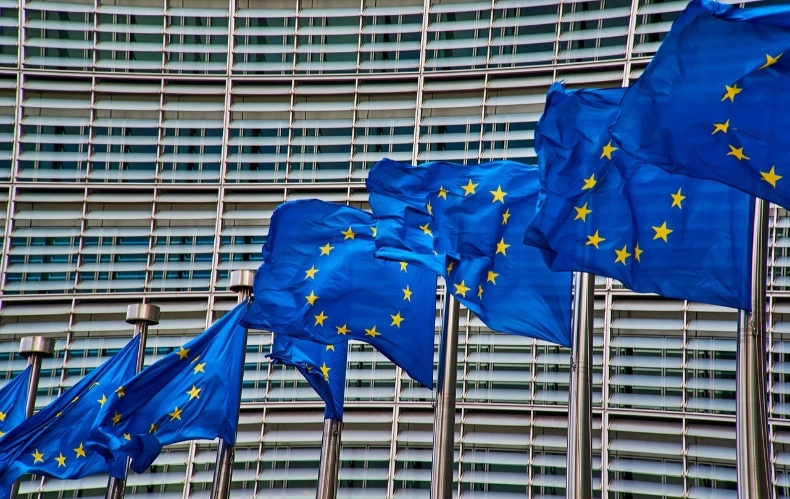
EU Approves €489 Million for Spain, Portugal, Italy and Malta After Early 2026 Storms
Section: Business
Recent scientific studies have increasingly highlighted the widespread presence of microplastics and nanoplastics in the environment, with growing concern regarding their impact on human health, particularly on the cardiovascular system in men. Microplastic particles, originating from the breakdown of larger plastic materials, have been detected in drinking water, food sources, air, and even through skin contact. As a result, these plastic particles can accumulate in various organs, including the brain, liver, kidneys, lungs, placenta, and blood vessels.
A significant area of focus has been the potential impact of microplastics within arterial plaques, the fatty deposits that build up on blood vessel walls and contribute to atherosclerosis. Atherosclerosis is a major risk factor for heart attacks and strokes. Recent studies have confirmed the presence of microplastics in these plaques. For instance, research published in 2024 identified microplastic particles in the arterial plaques of patients undergoing surgical procedures to remove vascular blockages. These patients displayed a higher prevalence of cardiovascular events, such as heart attacks and strokes, compared to those whose plaques did not contain detectable microplastics.
Further investigations led by an international research team explored whether microplastics merely accumulate in these plaques or actively contribute to their formation. Using animal models designed to mimic human atherosclerosis, researchers administered diets containing micro- and nanoplastic particles to mice predisposed to high cholesterol and early development of arterial plaques. The amount of microplastics given to the mice was calibrated to reflect typical human exposure levels through daily consumption of contaminated foods.
The results, published in a peer-reviewed environmental health journal, indicated that chronic ingestion of microplastics led to an increase in the formation and growth of atherosclerotic plaques. The particles were not only present within the arterial walls but also appeared to trigger immune responses that may accelerate inflammation and plaque development. This suggests that exposure to microplastics could be an independent risk factor for cardiovascular disease, beyond established contributors like cholesterol and hypertension.
The specific types of plastic most commonly found in human tissues include polyethylene terephthalate (PET), polyethylene (PE), polyvinyl chloride (PVC), and polyamides. These materials are widely used in consumer products such as packaging, bottles, and textiles, making exposure virtually unavoidable in daily life.
While the precise mechanisms by which microplastics influence vascular health are still being studied, evidence points to their ability to provoke inflammatory reactions and disrupt normal cellular function within blood vessels. This can lead to further plaque instability, increasing the risk of acute cardiovascular events.
Public health experts emphasize the importance of reducing plastic pollution and minimizing individual exposure, especially among populations at higher risk for cardiovascular disease. Strategies may include stricter regulations on plastic use, improved filtration systems for water and air, and encouraging consumers to opt for alternatives to single-use plastics.
Overall, the emerging body of research underscores the need for continued surveillance of microplastic contamination and its long-term implications for human health. Ongoing studies aim to clarify the extent of these risks and to develop effective interventions for mitigating exposure and safeguarding cardiovascular health.
Section: Business

Section: Business

Section: News

Section: Science

Section: Business

Section: Arts
Section: Health
Section: Politics

Section: Politics

Section: Business
Both private Health Insurance in Germany and public insurance, is often complicated to navigate, not to mention expensive. As an expat, you are required to navigate this landscape within weeks of arriving, so check our FAQ on PKV. For our guide on resources and access to agents who can give you a competitive quote, try our PKV Calculator.
Germany is famous for its medical expertise and extensive number of hospitals and clinics. See this comprehensive directory of hospitals and clinics across the country, complete with links to their websites, addresses, contact info, and specializations/services.
Didn't manage to get a ticket for Linkin Park? Or still not enough after the concert? Join us at CRASH on June 12th for our "IN THE END" Linkin Park Special + CORE NIGHT.All night long, we'll be playing Linkin Park's music, along with Nu Metal, Metalcore, and Alternative Rock from bands such as Limp...


No comments yet. Be the first to comment!