
Why Turquoise Is Becoming Most Viral Color of 2026
Section: Fashion
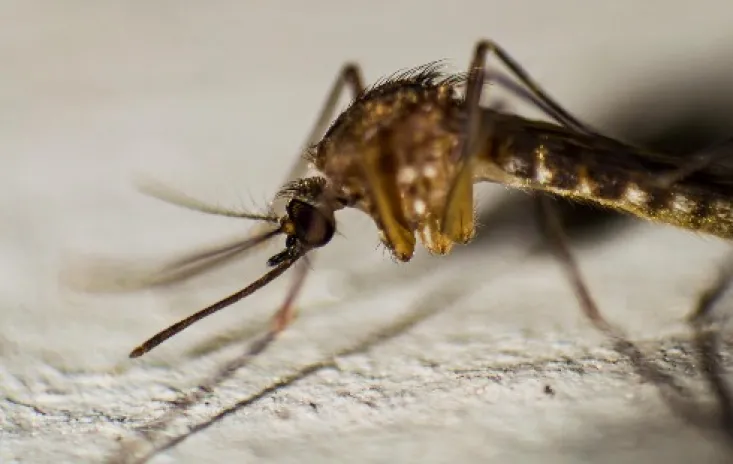 A comprehensive analysis of malaria vaccination initiatives across three African countries has shown a significant reduction in child mortality rates. The study, which encompassed 158 administrative regions in Ghana, Kenya, and Malawi, found that the introduction of the malaria vaccine RTS,S/AS01E into routine immunization schedules for young children led to a 13% decrease in deaths among eligible age groups.
Malaria remains one of the foremost causes of death among children in many parts of Africa. In response, international health organizations have prioritized the development and distribution of effective vaccines. The recent program assessed nearly 1.3 million children who received the first dose of the malaria vaccine between 2019 and 2023. The vaccination regimen was administered at different intervals depending on the country, with children in Ghana and Kenya receiving their doses at the ages of 6, 7, 9, and 24 months, and those in Malawi at 5, 6, 7, and 22 months.
Despite the program's reach, the full vaccination schedule presented challenges. While the initial three-dose coverage ranged from 71% to 83% among eligible children, the uptake of the recommended fourth dose dropped to approximately 40%. This suggests that expanding the completion rate for the full four-dose schedule could potentially amplify the protective benefits observed in the trial.
Researchers from the Kamuzu University of Health Sciences and the London School of Hygiene & Tropical Medicine conducted a thorough evaluation by measuring overall child mortality in the regions where the vaccine was implemented, excluding deaths due to injury. By comparing these results with control regions where the vaccine was not part of the standard immunization program, and ensuring other variables were largely consistent, the team attributed the reduction in mortality primarily to the malaria vaccine's impact.
The study highlights the difficulty in directly attributing deaths to malaria, as many occur outside healthcare facilities and diagnostic certainty can be limited even within hospitals. To address this, the researchers used all-cause mortality as a key outcome measure. Their findings indicate that the malaria vaccine can provide broad public health benefits beyond direct malaria prevention, significantly lowering the risk of death among young children in endemic areas.
The World Health Organization (WHO) has recognized the potential of widespread malaria immunization to improve child survival rates. However, the lower rates of completion for the fourth vaccine dose suggest that logistical and educational barriers remain. Improving vaccine coverage and adherence could further reduce child mortality and strengthen efforts to combat malaria across the continent.
These results underline the importance of sustained investment in vaccination programs, healthcare infrastructure, and community outreach in malaria-affected regions. As the fight against malaria continues, increasing access to vaccines and ensuring that children receive the full course of immunizations will be essential to saving lives and supporting healthier futures for communities in Africa.
Section: Fashion

Section: Travel

Section: Health Insurance

Section: News

Section: Politics

Section: Business
Section: Health

Section: Arts

Section: Business

Section: Politics
Both private Health Insurance in Germany and public insurance, is often complicated to navigate, not to mention expensive. As an expat, you are required to navigate this landscape within weeks of arriving, so check our FAQ on PKV. For our guide on resources and access to agents who can give you a competitive quote, try our PKV Cost comparison tool.
Germany is famous for its medical expertise and extensive number of hospitals and clinics. See this comprehensive directory of hospitals and clinics across the country, complete with links to their websites, addresses, contact info, and specializations/services.
Join us for the premiere of Echtzeitalter, a captivating theater production based on the novel by Tonio Schachinger. The story follows Till, a new student at a prestigious gymnasium, who grapples with the outdated teaching methods of his strict teacher, Dolinar. As Till navigates his elite...



No comments yet. Be the first to comment!