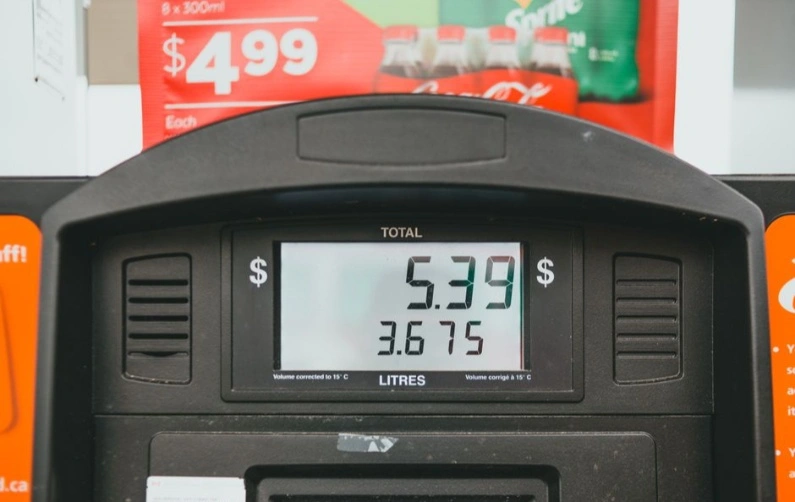
G7 nations agree to release oil reserves amid high fuel prices
Section: News
India is undertaking extensive preparations as meteorologists warn that the country could experience the driest monsoon season in ten years due to a strengthening El Nino climate pattern. This development has raised significant concerns about agricultural productivity, food prices, and water availability across the country.
El Nino's Impact on India's WeatherEl Nino is characterized by unusual warming of sea surface temperatures in the tropical Pacific Ocean, which disrupts global weather patterns and can lead to reduced rainfall in India. Current forecasts indicate that this year's El Nino will be particularly strong, historically correlating with weaker monsoon activity in the region.
With nearly half of India's farmland reliant on seasonal rains, the monsoon is a critical period for the nation's agricultural sector. Reduced rainfall during the kharif, or summer cropping season, could compel farmers to increase dependence on irrigation, driving up costs and putting additional strain on diminishing groundwater resources.
Government Response and Contingency MeasuresIn anticipation of below-normal rainfall, India's Ministry of Agriculture and Farmers' Welfare has developed contingency plans targeting the most vulnerable districts. Authorities have identified 111 districts with limited irrigation coverage as high-risk areas for potential intervention if the monsoon season further weakens.
To enhance monitoring and coordination, the ministry has established both an El Nino Monitoring Cell and a Crop Weather Watch Group. State governments have also been instructed to create regional control centers, ensuring close collaboration with federal agencies to track rainfall, monitor crop conditions, and oversee sowing progress throughout the season.
Consequences for Agriculture and Water ResourcesThe effects of a dry monsoon extend beyond immediate agricultural output. Rural livelihoods, food security, and water supply are all at risk. June to September rains are essential for replenishing reservoirs and groundwater, which serve as primary sources of drinking water for millions.
Agriculture employs around 260 million people in India, representing over 45% of the national workforce. Weak rainfall, combined with elevated temperatures, not only threatens crops but also impacts livestock, fisheries, and forested areas, increasing the vulnerability of rural communities.
Forecasts and Climate Change ConsiderationsThe India Meteorological Department projects monsoon rainfall at 90% of the historical average, indicating a significant deficit compared to previous years. This would make the current season the driest in over a decade if patterns persist, with some regions facing particularly pronounced shortfalls. Such deficits may lead to decreased crop yields, pressure on water resources, and challenges for hydropower generation due to lower reservoir levels.
Experts highlight that climate change is amplifying the variability of India's rainfall. There is a trend toward longer dry spells punctuated by intense bursts of rain, a combination that complicates agricultural planning and threatens crop stability. The increasing frequency of extreme weather events further exacerbates the challenges faced by farmers and policymakers.
Long-Term Implications for Food SecurityWhile the current summer-sown crop season is under close observation, analysts note that recent years of strong harvests have helped maintain comfortable food stock levels and limit food inflation. However, attention is also turning to the upcoming winter cropping season, which may be vulnerable if El Nino conditions persist and temperatures rise further. Crops such as wheat, mustard, and chickpea could be affected by a warmer and shorter winter period, potentially impacting yields and rural incomes in the months following the monsoon.
Across India, the government and agricultural sector are intensifying efforts to adapt to changing weather patterns and safeguard food and water security against the emerging risks associated with El Nino and climate change.
Section: News
Section: Politics
Section: News

Section: Fashion

Section: Fashion

Section: Arts
Section: Business

Section: Business

Section: News

Section: Arts
Both private Health Insurance in Germany and public insurance, is often complicated to navigate, not to mention expensive. As an expat, you are required to navigate this landscape within weeks of arriving, so check our FAQ on PKV. For our guide on resources and access to agents who can give you a competitive quote, try our PKV Calculator.
Germany is famous for its medical expertise and extensive number of hospitals and clinics. See this comprehensive directory of hospitals and clinics across the country, complete with links to their websites, addresses, contact info, and specializations/services.
Didn't manage to get a ticket for Linkin Park? Or still not enough after the concert? Join us at CRASH on June 12th for our "IN THE END" Linkin Park Special + CORE NIGHT.All night long, we'll be playing Linkin Park's music, along with Nu Metal, Metalcore, and Alternative Rock from bands such as Limp...



No comments yet. Be the first to comment!