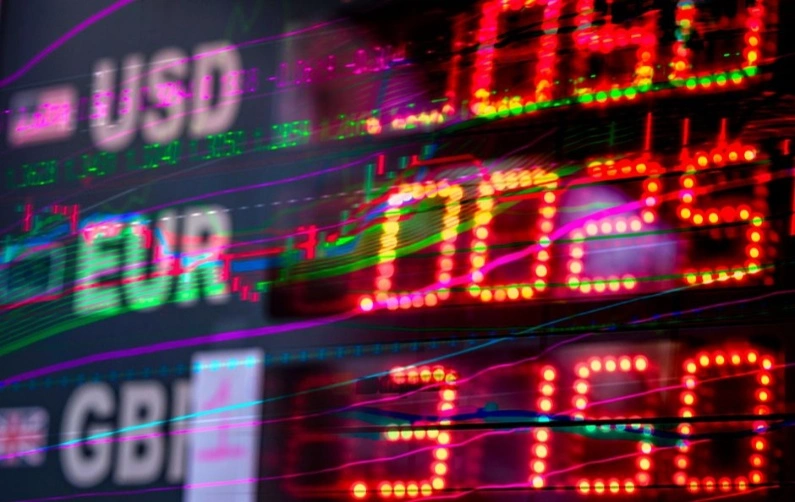
Fears over AI market slow impact global tech stocks
Section: Business
Millions of football fans across Germany were preparing for another exciting World Cup evening, with many donning team jerseys, stocking up on beverages, and organizing gatherings. Expectations were high for continued economic activity driven by the tournament. However, Germany's elimination from the World Cup following a penalty shootout loss to Paraguay has abruptly ended these prospects, delivering a significant financial setback to retailers nationwide.
Impact on Retail Revenue in BavariaThe effects of Germany's exit are particularly evident in Bavaria. The local Retail Association had anticipated up to 400 million euros in sales related to the World Cup. This estimate has now been revised to approximately 300 million euros, indicating a shortfall of about 100 million euros for businesses in the region. The loss primarily affects sectors that had expected increased demand for fan merchandise, sports apparel, and event-related products.
Cautious Planning Among RetailersRetailers across Bavaria had already approached the tournament with caution. Many sporting goods stores reduced their orders of national team merchandise ahead of the event, wary of demand fluctuations. Despite more conservative stocking levels, a deeper run by Germany in the tournament, such as a victory over Paraguay and a subsequent match against France in the round of sixteen, could have led to a noticeable uptick in sales. Products like flags, hats, decorations, and various fan items had been stocked in hopes of further German matches fueling consumer enthusiasm.
Limited Nationwide Sales GrowthOn a national scale, the World Cup was not expected to trigger a large boom in retail sales. The German Retail Association had projected modest gains, with only about a quarter of retailers carrying World Cup-related merchandise. The primary beneficiaries were anticipated to be sporting goods outlets and grocery stores, both banking on increased foot traffic and spontaneous purchases associated with major matches.
The hospitality industry was also poised to benefit from the tournament. According to the German Economic Institute, restaurants and bars could have seen up to 67.4 million euros in additional revenue during the World Cup. Under more favorable match start times, this figure might have approached 103 million euros. However, due to time zone differences, many games were scheduled late at night, reducing attendance at public viewings, bars, and private gatherings.
Decline in Consumer Activity Following EliminationGermany's early departure from the tournament has removed a crucial sales driver for retailers and the hospitality sector alike. Without the anticipation of further national team matches, opportunities for spontaneous purchases of fan merchandise, food, and beverages ahead of televised games have sharply diminished. The absence of high-profile fixtures, such as a potential clash with France, has curtailed the possibility of renewed fan excitement and the associated economic uplift.
Broader Economic ImplicationsThe World Cup typically serves as a catalyst for increased consumer spending, particularly when the national team advances through the competition. This year, however, more subdued expectations, cautious inventory planning, and the timing of matches have combined with Germany's exit to limit the anticipated economic benefits. Many businesses, especially those who had invested in World Cup promotions and products, now face missed revenue opportunities and surplus stock.
As the tournament proceeds without Germany, both retailers and the hospitality sector are recalibrating their sales forecasts, adapting to a landscape where the momentum generated by the national team is no longer a factor. The financial impact underscores the strong connection between major sporting events and consumer spending, as well as the risks inherent when expectations for team performance do not materialize.
Section: Business

Section: Politics
Section: Travel

Section: News
Section: Science
Section: Health
Section: Business
Section: Fashion

Section: Science

Section: Business
Both private Health Insurance in Germany and public insurance, is often complicated to navigate, not to mention expensive. As an expat, you are required to navigate this landscape within weeks of arriving, so check our FAQ on PKV. For our guide on resources and access to agents who can give you a competitive quote, try our PKV Calculator.
Germany is famous for its medical expertise and extensive number of hospitals and clinics. See this comprehensive directory of hospitals and clinics across the country, complete with links to their websites, addresses, contact info, and specializations/services.
Didn't manage to get a ticket for Linkin Park? Or still not enough after the concert? Join us at CRASH on June 12th for our "IN THE END" Linkin Park Special + CORE NIGHT.All night long, we'll be playing Linkin Park's music, along with Nu Metal, Metalcore, and Alternative Rock from bands such as Limp...



No comments yet. Be the first to comment!