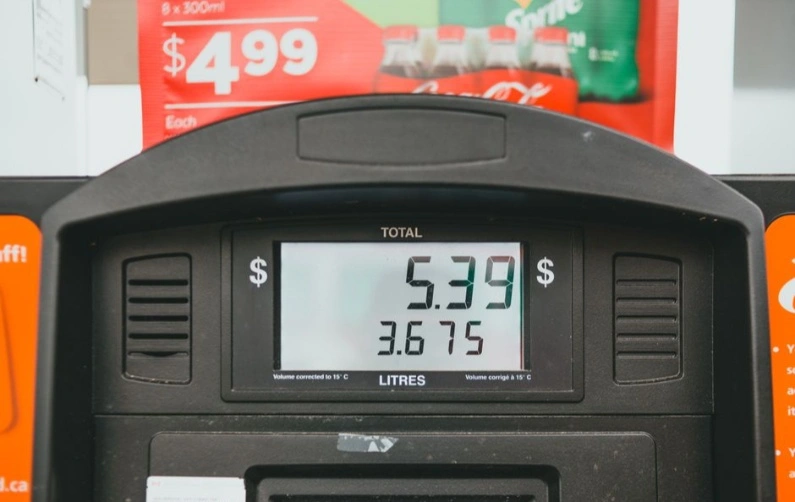
G7 nations agree to release oil reserves amid high fuel prices
Section: News
There is a growing push within Germany to extend government incentives for electric vehicles (EVs) to include the purchase of used models. Policymakers in Lower Saxony, a region with a significant automotive industry, are advocating for state-backed support targeting pre-owned electric cars, especially those that are recently out of lease and between two and three years old.
Currently, government subsidies are primarily aimed at new electric vehicles, but this approach has led to criticism that such incentives may also benefit non-European manufacturers, particularly those based in China, if production requirements are not clearly defined. Observers point to France as an example, where the lack of strict regulations has seen a notable flow of subsidies to imported vehicles.
The proposal suggests that by focusing financial support on used EVs, several positive effects could be achieved across the market. Firstly, more consumers would be able to afford electric vehicles, as the cost of used models is typically more accessible than that of new cars. Secondly, the move could help stabilize and even increase the residual values of electric vehicles, making leasing arrangements for new cars more attractive and cost-efficient. Thirdly, such a policy would likely benefit domestic and European carmakers, given that the majority of used electric vehicles available in Germany are manufactured within Europe.
The federal government has already agreed on a framework for a new subsidy program that aims to support households with low to moderate incomes in acquiring electric or plug-in hybrid vehicles. While the initial phase of this program is set to focus on new cars, there are plans to introduce a second phase that would incorporate guidelines and funding for the purchase of used EVs. Details on the implementation and eligibility criteria for this second stage are currently under discussion.
In addition to the debate on financial incentives, discussions continue regarding the European Union's planned phase-out of internal combustion engines. Although previous targets had aimed for a complete transition to zero-emission vehicles by 2035, recent developments have allowed for certain exceptions. New vehicles powered by combustion engines may continue to be registered beyond 2035 under specific conditions, reflecting the ongoing adjustments to the EU's regulatory framework in response to geopolitical shifts and changing economic landscapes.
Advocates of increased support for used electric vehicles emphasize that the future of the automotive market in Germany and Europe will remain predominantly electric, with projections that electric models will account for the vast majority of new vehicle sales after 2035. Policymakers stress the importance of ensuring that the transition to electric mobility remains both affordable and accessible to a broad segment of the population, while also safeguarding the interests of the domestic automotive industry.
As the government continues to refine its subsidy policies and adapt to evolving technological and economic conditions, industry stakeholders and consumer groups are watching closely. The outcome of these discussions is expected to have significant implications for the uptake of electric mobility, the competitiveness of European manufacturers, and Germany's broader climate and industrial policy objectives.
Section: News
Section: Politics
Section: News

Section: Fashion

Section: Fashion

Section: Arts
Section: Business

Section: Business

Section: News

Section: Arts
Both private Health Insurance in Germany and public insurance, is often complicated to navigate, not to mention expensive. As an expat, you are required to navigate this landscape within weeks of arriving, so check our FAQ on PKV. For our guide on resources and access to agents who can give you a competitive quote, try our PKV Calculator.
Germany is famous for its medical expertise and extensive number of hospitals and clinics. See this comprehensive directory of hospitals and clinics across the country, complete with links to their websites, addresses, contact info, and specializations/services.
Didn't manage to get a ticket for Linkin Park? Or still not enough after the concert? Join us at CRASH on June 12th for our "IN THE END" Linkin Park Special + CORE NIGHT.All night long, we'll be playing Linkin Park's music, along with Nu Metal, Metalcore, and Alternative Rock from bands such as Limp...



No comments yet. Be the first to comment!