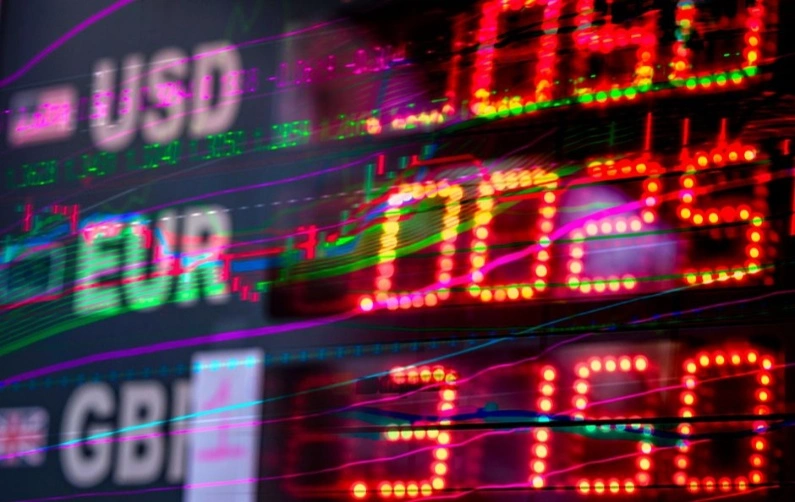
Fears over AI market slow impact global tech stocks
Section: Business
Amid concerns about energy supply during the winter months, the current volume of natural gas stored in Germany has become a subject of discussion among government officials and industry observers. Recent data indicates that the nation's gas storage facilities are operating at approximately 35 percent of their total capacity, a figure that is noticeably lower compared to previous years.
Despite these reduced storage levels, the Federal Ministry of Economic Affairs has communicated confidence in Germany's ability to maintain a stable energy supply throughout the winter season. According to the ministry, the country has diversified its energy procurement avenues, notably increasing the importation of liquefied natural gas (LNG) to supplement existing reserves. These contingency measures are intended to ensure that energy needs continue to be met, even as storage levels fluctuate.
The ongoing monitoring of gas reserves forms part of a broader strategy to safeguard national energy security. Regular assessments are carried out to evaluate storage volumes, consumption rates, and the availability of alternative supply routes. The ministry maintains that, in combination with these measures, there is adequate infrastructure in place to respond to shifts in demand or unforeseen disruptions to supply chains.
However, the current storage figures have raised concerns among some political representatives and energy policy analysts. Critics have argued that the government could have taken more proactive steps earlier in the year to increase reserves, given predictions of potential shortages. They highlight that a rapid decline in stored gas could lead to increased energy prices, impacting both households and businesses across the country.
In response to these concerns, the Federal Ministry has reiterated its commitment to responsible resource management and has called for continued efforts to conserve energy. The government has also encouraged industry partners and the public to adopt energy-saving measures, which are seen as vital in offsetting higher demand and stabilizing the market.
Market analysts note that fluctuations in gas storage levels can be attributed to several factors, including changing consumption patterns, international market pressures, and variations in supply from traditional sources. Germany's ongoing transition towards renewable energy sources has also played a role in shaping the country's energy landscape and influencing storage strategies.
As winter progresses, authorities will continue to evaluate the situation and take further action if necessary. The government assures that, through a combination of strategic imports, diversified supply lines, and active demand management, Germany is positioned to navigate potential challenges in the energy sector. Ongoing cooperation between public agencies, industry stakeholders, and international partners remains a key component in sustaining energy security and addressing any emerging risks.
Consumers are encouraged to remain informed about energy supply developments and to participate in conservation initiatives, which collectively contribute to the resilience of the national energy system. The situation continues to be closely monitored, with updates provided as conditions evolve throughout the winter period.
Section: Business
Section: Politics

Section: Travel
Section: News
Section: Science

Section: Health
Section: Business
Section: Fashion

Section: Science

Section: Business
Both private Health Insurance in Germany and public insurance, is often complicated to navigate, not to mention expensive. As an expat, you are required to navigate this landscape within weeks of arriving, so check our FAQ on PKV. For our guide on resources and access to agents who can give you a competitive quote, try our PKV Calculator.
Germany is famous for its medical expertise and extensive number of hospitals and clinics. See this comprehensive directory of hospitals and clinics across the country, complete with links to their websites, addresses, contact info, and specializations/services.
Didn't manage to get a ticket for Linkin Park? Or still not enough after the concert? Join us at CRASH on June 12th for our "IN THE END" Linkin Park Special + CORE NIGHT.All night long, we'll be playing Linkin Park's music, along with Nu Metal, Metalcore, and Alternative Rock from bands such as Limp...

No comments yet. Be the first to comment!