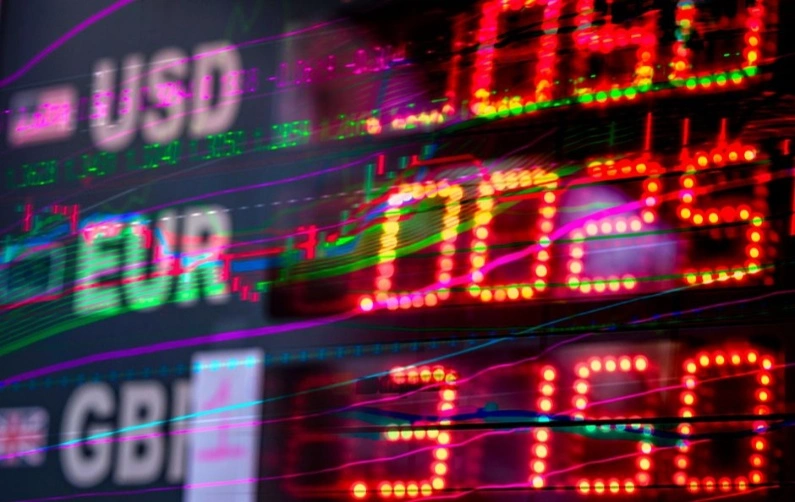
Fears over AI market slow impact global tech stocks
Section: Business
The German National Security Council convened to discuss the ongoing conflict in Ukraine and reaffirmed the country's commitment to contributing actively towards establishing a fair and long-term resolution to the war. The meeting, chaired by Chancellor Friedrich Merz, focused on recent developments regarding international diplomatic initiatives and Germany's role within these discussions.
During the session, Chancellor Merz shared updates from his engagements with European and global partners, which took place during the G20 summit in South Africa. The council emphasized Germany's determination to remain closely involved in negotiations aimed at achieving a sustainable peace in Ukraine, underscoring the need for a comprehensive and equitable solution to the conflict.
Recent diplomatic efforts have included a proposal from the United States to Ukrainian officials, outlining a 28-point plan intended to bring an end to the war. The plan reportedly involves significant concessions from Ukraine, such as ceding territory in the eastern regions to Russia, reducing military capacity, and foregoing NATO membership. These terms have sparked considerable debate among Ukraine's Western allies and the Ukrainian government itself.
High-level negotiations are scheduled to take place in Switzerland, involving representatives from the United States, Ukraine, and several European allies. The Ukrainian delegation will include senior security officials, while Russian participation has not been officially confirmed. The Ukrainian leadership has thus far rejected the US-proposed outline in its current form, indicating intentions to submit alternative proposals. Western allies, including Germany, have expressed that any agreement must be reached with Ukraine's full consent and support.
The establishment of the new German National Security Council earlier this month marked a significant shift in how security matters are addressed at the federal level. The council was formed in response to the increasing complexity of modern security threats, particularly those characterized as hybrid, such as cyberattacks and information operations attributed to foreign actors, notably Russia. Its mandate is to centralize decision-making on security policy within the Federal Chancellery, streamlining processes that previously spanned multiple ministries and agencies.
The council's permanent members include the Chancellor and ministers responsible for finance, defense, interior affairs, foreign affairs, economy, justice, digitalization, and development. Depending on the topic, additional ministers, as well as representatives from the armed forces, police, and intelligence agencies, may also be invited to participate. This structure is designed to enhance Germany's capacity to respond swiftly and coherently to emerging security challenges.
Germany continues to coordinate closely with its international partners in addressing the security situation in Ukraine and in developing responses to broader geopolitical risks. The government maintains that any steps taken towards peace must be both just and enduring, reflecting the interests and sovereignty of Ukraine and contributing to regional stability.
As diplomatic discussions proceed, Germany's stance remains rooted in supporting Ukraine's position and working towards a negotiated settlement that upholds the principles of international law and security cooperation in Europe.
Section: Business

Section: Politics
Section: Travel

Section: News

Section: Science

Section: Health

Section: Business
Section: Fashion

Section: Science

Section: Business
Both private Health Insurance in Germany and public insurance, is often complicated to navigate, not to mention expensive. As an expat, you are required to navigate this landscape within weeks of arriving, so check our FAQ on PKV. For our guide on resources and access to agents who can give you a competitive quote, try our PKV Calculator.
Germany is famous for its medical expertise and extensive number of hospitals and clinics. See this comprehensive directory of hospitals and clinics across the country, complete with links to their websites, addresses, contact info, and specializations/services.
Didn't manage to get a ticket for Linkin Park? Or still not enough after the concert? Join us at CRASH on June 12th for our "IN THE END" Linkin Park Special + CORE NIGHT.All night long, we'll be playing Linkin Park's music, along with Nu Metal, Metalcore, and Alternative Rock from bands such as Limp...



No comments yet. Be the first to comment!